I remember the night I almost burned down my kitchen because I was trying to impress my friend with a fancy fish dish. I had a craving for something that felt indulgent yet fresh, and my pantry was a jumble of almond flour, panko, and a single lemon. That disaster turned into a revelation when I whisked a quick egg wash, mixed the almond flour with Parmesan and paprika, and seared the fillets just enough before finishing them in the oven. The result was a crisp, nutty crust that melted into buttery, tender fish, and I tasted it before anyone else could even touch the plate. I dare you to taste this and not go back for seconds.
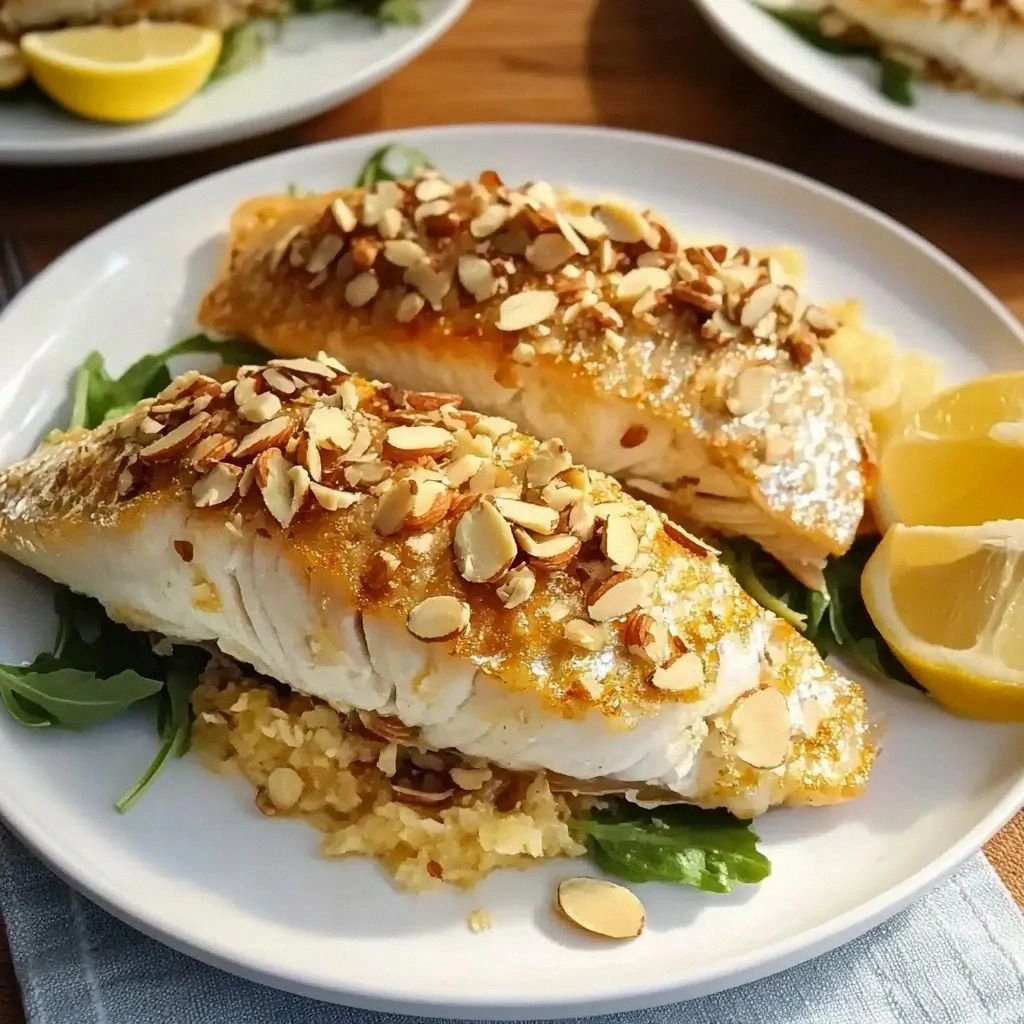
Picture yourself pulling this out of the oven, the whole kitchen smelling incredible, the sizzle of olive oil and butter mingling with the citrusy zest of lemon. The first bite delivers a crunch that shatters like thin ice, followed by a buttery interior that practically dissolves on your tongue. The almond topping is not just a garnish; it’s the star that carries the fish with a nutty richness that pairs beautifully with a simple green salad or a glass of crisp white wine. I’ll be honest — I ate half the batch before anyone else got to try it, and the second portion was almost a betrayal of my own appetite. This is hands down the best version you'll ever make at home, and it’s a game-changer for anyone who thinks fish is just fish.
Most recipes get this completely wrong by overcooking the fish or using a bland breadcrumb mix. Here’s what actually works: a quick sear, a balanced almond crunch, and a splash of lemon that brightens every bite. If you've ever struggled with a fish that falls apart, you're not alone — and I've got the fix. Stay with me here — this is worth it. Let me walk you through every single step — by the end, you'll wonder how you ever made it any other way.
What Makes This Version Stand Out
- Crunch: The almond flour and panko blend creates a golden, nutty shell that contrasts beautifully with the flaky fish inside.
- Flavor: A touch of Dijon mustard in the egg wash adds depth, while fresh lemon zest lifts the entire dish.
- Speed: The sear-and-bake method keeps prep under 15 minutes, making it perfect for weeknight dinners.
- Texture: The buttery butter and olive oil infusion prevents the fillets from drying out, leaving a moist interior.
- Presentation: Garnishing with chopped parsley and a lemon wedge turns a simple plate into a restaurant‑grade masterpiece.
- Versatility: Swap the fish for shrimp or scallops, and the recipe becomes a crowd‑pleasing appetizer.
- Allergy‑Friendly: By using almond flour, you get a gluten‑free crust that still satisfies.
- Make‑Ahead: The coating can be pre‑made and stored in the fridge, allowing you to assemble quickly on busy nights.
Inside the Ingredient List
The Flavor Base
The lemon zest and juice are the bright, citrusy undercurrent that keeps the dish from feeling heavy. Without them, the almond crust would dominate too strongly, masking the delicate flavor of the fish. If you’re craving a slightly sweeter profile, replace half the lemon juice with a splash of white wine or a teaspoon of honey.
The Texture Crew
Almond flour provides a nutty crunch that’s both gluten‑free and protein‑rich, while panko adds airy lightness. The Parmesan cheese brings umami and a slight saltiness that balances the lemon. If you can’t find panko, use crushed cornflakes or even crushed rice crackers for a similar effect.
The Unexpected Star
Dijon mustard in the egg wash is a secret weapon. It adds a subtle tang and helps the almond coating adhere better to the fillets. A friend once swapped it for horseradish and the result was a zesty kick that surprised everyone. If you’re mustard‑averse, simply leave it out; the dish still shines.
The Final Flourish
Fresh parsley not only adds a pop of color but also a herbal freshness that cuts through the richness of butter. A pinch of smoked paprika gives the crust a hint of smokiness, perfect for those who love a slightly charred flavor. Remember, the garnish is the final touch that completes the visual and taste experience.
Everything's prepped? Good. Let's get into the real action.
The Method — Step by Step
- Preheat your oven to 400°F (200°C). Pat the fish fillets dry with paper towels; moisture is the enemy of a crisp crust. If you’re using a thicker cut, let it sit at room temperature for 10 minutes to avoid a sudden temperature shock.
- In a shallow bowl, whisk the eggs, 2 tablespoons of lemon juice, 1 teaspoon of Dijon mustard, a pinch of salt, and a dash of pepper until frothy. The mustard not only adds flavor but also helps the coating stick.
- In a separate bowl, combine 1 cup almond flour, 1 cup panko breadcrumbs, 1/2 cup grated Parmesan, 1 teaspoon dried thyme, 1 teaspoon paprika, 2 minced garlic cloves, and the zest of one lemon. Stir until evenly mixed. The garlic and thyme give the crust an aromatic depth.
- Dip each fillet first into the egg wash, letting the excess drip off, then dredge in the almond mixture. Press the coating onto the fish so it adheres firmly; you should see a glossy, even shell.
- Heat 2 tablespoons of olive oil and 1 tablespoon of butter in a large, oven‑safe skillet over medium‑high heat. When the butter foams and the oil shimmers, lay the fillets in the pan. You should hear a satisfying sizzle; that’s the sound of flavor locking in.
- Sear the fillets for 2–3 minutes on each side, or until a golden brown crust forms. Avoid moving them too much; the crust needs time to set. The edges will start pulling away from the pan, indicating readiness.
- Slide the skillet into the preheated oven and bake for 8–10 minutes, or until the fish flakes easily with a fork and the internal temperature reaches 145°F (63°C). The oven finish ensures the interior stays moist while the exterior stays crisp.
- Remove the skillet from the oven. Let the fillets rest for 2 minutes; this allows the juices to redistribute. Sprinkle chopped parsley over the top and serve with lemon wedges for an extra burst of brightness.
- Optional: While the fish rests, pour the pan juices into a small saucepan, add a splash of water, and simmer until reduced to a light sauce. Drizzle over the fillets for a glossy finish.
That’s it — you did it. But hold on, I've got a few more tricks that'll take this to another level.
Insider Tricks for Flawless Results
The Temperature Rule Nobody Follows
Many cooks skip the preheating step and end up with a soggy crust. Keep the oven at 400°F and the skillet hot before adding the fish. This ensures immediate searing, sealing in moisture and creating that coveted crunch. I once tried a 350°F oven and the crust was limp; the difference was night and day.
Why Your Nose Knows Best
When the almond mixture starts to toast, it should emit a nutty, buttery aroma that’s almost intoxicating. Trust that scent; it signals the perfect golden stage. If the smell is faint, give it a minute more. A strong aroma means your coating is ready to lock in flavor.
The 5-Minute Rest That Changes Everything
After baking, let the fish rest for exactly five minutes. During this brief pause, the juices redistribute, preventing a dry bite. I’ve seen people skip this step and end up with fish that flakes apart; the rest keeps it cohesive.
The Butter‑Oil Ratio Secret
Using both butter and olive oil in the skillet gives you the best of both worlds: the butter’s flavor and the oil’s higher smoke point. This combination reduces the risk of burning while enhancing richness. If you’re vegan, substitute the butter with a plant‑based butter or extra oil.
The Garlic Timing Trick
Add the minced garlic to the almond mixture just before dipping the fillets. Garlic can burn quickly; if it’s already in the pan, it might leave a bitter bite. By waiting, you preserve its sweet, aromatic qualities.
The Quick Sauce Finish
After removing the fish, pour the pan drippings into a small saucepan with a splash of water and simmer until reduced. This creates a light, glossy sauce that carries the lemony, nutty flavors. A quick reduction also thickens the sauce slightly, making it perfect for drizzling.
Creative Twists and Variations
This recipe is a playground. Here are some of my favorite ways to switch things up:
Spicy Cajun Crunch
Swap the paprika for Cajun seasoning and add a pinch of cayenne. The heat pairs nicely with the buttery almond crust and adds a smoky edge that’s perfect for a brunch gathering.
Herbed Mediterranean
Replace the thyme with dried oregano and add a handful of chopped sun‑dried tomatoes to the almond mixture. The tomatoes bring a sweet acidity that complements the lemon and almonds.
Coconut‑Infused Delight
Add 1/4 cup shredded coconut to the coating and use coconut oil instead of olive oil. The coconut gives a tropical twist, and the fish still remains moist and flaky.
Smoky Chipotle Twist
Stir in a teaspoon of chipotle powder into the almond mixture for a smoky, slightly spicy flavor profile that’s great for a summer BBQ.
Seafood Medley
Use shrimp or scallops instead of fish fillets. The coating works well, and the cooking time shortens dramatically, giving you a quick, elegant dish for entertaining.
Vegan Version
Swap the fish for thick slices of portobello mushrooms. Use a plant‑based egg substitute for the wash and vegan butter for the skillet. The result is a hearty, satisfying dish that even non‑meat lovers will adore.
Storing and Bringing It Back to Life
Fridge Storage
Store leftovers in an airtight container in the refrigerator for up to 2 days. Keep the fish separate from any sauce to prevent sogginess. Reheat in a skillet over low heat until warmed through, adding a splash of water to keep it moist.
Freezer Friendly
Freeze the coated fillets in a single layer on a parchment‑lined tray before transferring to a freezer bag. They stay good for up to 3 months. Thaw overnight in the fridge and finish as described above.
Best Reheating Method
Reheat in a preheated oven at 350°F (175°C) for 10 minutes, or until hot. For a crisp finish, finish on a skillet for 2 minutes. Add a tiny splash of water before reheating; it steams back to perfection and keeps the crust from drying out.