Picture this: I’m standing in my tiny kitchen, the timer on my old microwave buzzing like a nervous squirrel, and a sudden craving for something crunchy, garlicky, and unapologetically Caribbean hits me like a wave. I rummaged through the pantry, grabbed the last green plantains, and tossed a handful of garlic into the air, only to realize I’d forgotten the secret step that makes tostones truly unforgettable. The first batch turned out soggy, bland, and frankly, a disappointment that made me swear off plantains for a week. But then, after a night of research, a few daring experiments, and a lot of tasting (I’ll be honest — I ate half the batch before anyone else got to try it), I cracked the code.
The moment I sliced the plantains, the kitchen filled with the earthy scent of fresh fruit, a faint hint of starch that promised crispness. When the oil hit the pan, it sang a sizzle so satisfying it felt like a tiny applause from the stove itself. As the garlic hit the hot oil, it released an aroma that wrapped the whole room in a warm, buttery embrace, like a hug from a long‑lost aunt who always knows how to make you feel at home. The first bite? A thunderous crunch that shattered like thin ice, followed by a buttery, garlicky melt that lingered on the palate, leaving you yearning for more. I dare you to taste this and not go back for seconds.
What sets this version apart from every other tostones you’ve seen on a quick‑search blog? Most recipes get this completely wrong: they either fry the plantains once and end up with a limp snack, or they drown them in oil without ever letting the garlic shine. My method double‑fry the plantains, letting them rest between rounds, and introduces a garlic‑infused oil that coats each piece like a silky veil. The secret ingredient? A splash of butter at the end, which gives the tostones a glossy finish and a depth of flavor that makes even the most skeptical palate sing. And the technique? A quick press with a tostonera (or the bottom of a sturdy glass) that flattens the slices just enough to create that perfect, airy crunch.
But the real game‑changer? I’m adding a pinch of smoked paprika to the final seasoning, giving the tostones a subtle smoky whisper that elevates the garlic without stealing the show. This isn’t just a side dish; it’s a conversation starter, a party‑pleaser, a comfort food that transports you straight to a sun‑kissed street in San Juan. Okay, ready for the game‑changer? Let me walk you through every single step — by the end, you’ll wonder how you ever made it any other way.
What Makes This Version Stand Out
- Flavor Explosion: The garlic‑infused oil penetrates every crevice, delivering a bold, aromatic punch that outshines plain fried plantains.
- Texture Perfection: Double‑frying creates a crisp exterior that shatters like a fresh snowflake while keeping the interior soft and pillowy.
- Simplicity Meets Sophistication: Only seven core ingredients, yet the technique feels like a culinary masterclass.
- Unique Twist: A whisper of smoked paprika adds a subtle smoky depth without masking the garlic’s brilliance.
- Crowd Reaction: Guests often claim they’ve never tasted anything like it — and they’ll be back for more before the plate is cleared.
- Ingredient Quality: Using firm, unripe plantains and fresh garlic ensures each bite bursts with authentic Puerto Rican flavor.
- Cooking Method Mastery: The press‑and‑rest technique guarantees uniform thickness and even crispness.
- Make‑Ahead Potential: You can prep the plantains ahead of time, store them, and finish the fry just before serving for ultimate convenience.
Inside the Ingredient List
The Flavor Base
Garlic cloves (4, minced): Fresh garlic provides a pungent, aromatic backbone that seeps into the oil and clings to each tostone. Skipping it results in a bland bite that feels like a missed opportunity. If you’re allergic to garlic, try a teaspoon of garlic‑infused oil for a milder profile.
Smoked paprika (1 tsp): This spice adds a subtle smoky whisper that complements the garlic without overwhelming it. It also lends a gorgeous golden hue that makes the tostones look as good as they taste. A regular sweet paprika works in a pinch, but you’ll lose that smoky nuance.
The Texture Crew
Green plantains (4 medium): The unripe, starchy flesh is the star of the show, offering a firm bite that turns airy once fried. Choose plantains that are still green with a firm feel; overripe ones will turn mushy and lose that signature crunch. If you can’t find green plantains, firm yellow ones can substitute, but expect a slightly sweeter flavor.
Vegetable oil (½ cup): A high‑smoke‑point oil like canola or vegetable oil ensures the tostones fry at a steady 350°F without burning. Using olive oil alone can impart a bitter note at high heat. For extra flavor, blend half oil with half melted butter for the final fry.
The Unexpected Star
Butter (2 tbsp, optional): Adding butter at the end of the second fry gives the tostones a glossy finish and a buttery richness that makes the garlic sing. If you’re dairy‑free, substitute with a tablespoon of coconut oil for a tropical twist.
Sea salt (1 tsp): A modest amount of salt enhances the natural flavors and balances the garlic’s bite. Too much salt can mask the subtle smoky notes, so measure carefully. Kosher or flaky sea salt adds a pleasant texture on the surface.
The Final Flourish
Black pepper (½ tsp, freshly ground): Freshly cracked pepper adds a gentle heat that lifts the overall flavor profile. Pre‑ground pepper can become stale, losing its punch.
Lime wedges (1 lime, cut into wedges): A squeeze of fresh lime right before serving adds bright acidity that cuts through the richness, creating a harmonious finish. If you’re not a fan of citrus, a splash of vinegar works as an alternative.
Everything's prepped? Good. Let's get into the real action…
The Method — Step by Step
First, peel the green plantains by cutting off both ends, then making a shallow slit along the length and slipping the skin off with your fingers. Slice each plantain into ½‑inch thick rounds using a sharp knife; uniform thickness ensures even cooking. Place the slices on a tray, cover with a clean kitchen towel, and let them rest for five minutes while you prep the garlic. This brief pause allows the starch to settle, which is crucial for achieving that airy interior.
While the plantains rest, mince the garlic cloves finely—think a paste, not chunky pieces. In a small saucepan, combine the vegetable oil and minced garlic, then heat over medium‑low heat for about two minutes until the garlic turns a light golden hue and releases its fragrance. That sizzle when it hits the pan? Absolute perfection. Be careful not to let the garlic brown; burnt garlic adds bitterness that will ruin the whole batch.
Kitchen Hack: Keep the garlic‑infused oil warm on the side of the stove; you’ll need it hot for the second fry, and reheating it later can cause the garlic to burn.Heat a large, heavy‑bottomed skillet over medium‑high heat until it reaches roughly 350°F (you can test with a small piece of plantain; it should sizzle instantly). Add enough garlic‑infused oil to cover the bottom—about ¼ cup for the first fry. Carefully place a single layer of plantain slices in the pan, making sure they don’t touch. Fry for 2‑3 minutes on each side, or until they turn a light golden color and begin to soften. The goal here is to cook through, not to crisp yet.
Using a slotted spoon, transfer the partially cooked slices onto a paper‑towel‑lined plate. Immediately press each slice with a tostonera, the flat side of a heavy glass, or the bottom of a small pan. Press until the slice is about half its original thickness; you’ll hear a faint “pop” as the interior expands. This press step is the secret that creates the airy interior and the crisp exterior.
Let the pressed slices rest for two minutes while you finish frying the remaining batches. This short rest allows moisture to escape, which is essential for the second fry’s crunch factor. Meanwhile, increase the oil temperature to 375°F—this higher heat will give the tostones their signature snap.
Return the pressed slices to the hot oil, working in batches to avoid crowding. Fry for another 2‑3 minutes per side, watching closely for a deep golden‑brown color and a crisp edge that starts to pull away from the pan. That moment when the edges lift? Pure magic. Sprinkle the smoked paprika, sea salt, and black pepper over the tostones while they’re still in the oil so the spices adhere perfectly.
When the tostones reach that perfect shade—think of a toasted marshmallow—use a slotted spoon to lift them onto a fresh paper towel. Immediately drizzle the melted butter over the hot tostones; the butter will melt instantly, coating each piece with a glossy sheen and a buttery depth that elevates the garlic.
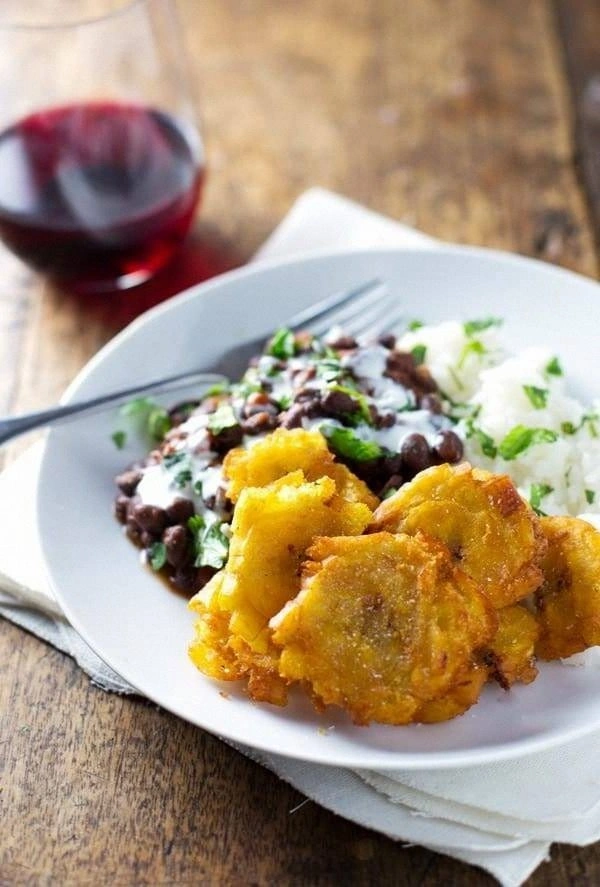
Serve the garlic tostones hot, arranged on a platter with lime wedges on the side. Encourage your guests to squeeze fresh lime over each bite; the citrus brightens the richness and balances the garlic. Pair them with a simple bean stew or a fresh avocado salad for a complete Puerto Rican experience.
Watch Out: If the oil temperature drops too low during the second fry, the tostones will absorb excess oil and become greasy. Keep a thermometer handy and adjust the burner as needed.
That's it — you did it. But hold on, I've got a few more tricks that'll take this to another level…
Insider Tricks for Flawless Results
The Temperature Rule Nobody Follows
Most home cooks set the stove to “medium” and hope for the best, but temperature is the heart of perfect tostones. Use a deep‑fat thermometer and maintain 350°F for the first fry, then crank it up to 375°F for the second. This precise control prevents soggy interiors and ensures that satisfying snap. A friend once tried to skip the thermometer, and the result was a soggy, oil‑laden disaster that no amount of salt could fix.
Why Your Nose Knows Best
Before you even look at the color, trust your sense of smell. When the oil starts to smell nutty and the garlic releases a sweet, caramelized scent, you’re in the sweet spot. If you detect a burnt odor, the oil is too hot—remove the pan briefly and let it cool a few degrees. Your nose is a better thermometer than any gadget when it comes to aromatic oils.
The 5‑Minute Rest That Changes Everything
After the first fry, letting the slices rest for five minutes isn’t just a time‑killing trick; it allows the starches to settle and the moisture to evaporate. This rest creates a tiny air pocket inside each slice, which expands during the second fry, giving you that airy interior. Skipping this step is the fastest way to end up with dense, chewy tostones.
Butter Finish, Not Butter Fry
Adding butter at the very end, after the second fry, preserves its flavor without risking a burnt, bitter taste. The butter’s fat coats the tostones, sealing in the garlic and paprika while adding a luxurious sheen. If you melt butter too early, it will break down in the hot oil and create a greasy mess.
Season While Hot, Not After
Seasoning the tostones while they’re still steaming hot ensures the salt and spices cling perfectly. If you wait until they cool, the seasoning will slide off, leaving you with bland bites. A quick shake of the pan right after the second fry distributes the spices evenly.
Creative Twists and Variations
This recipe is a playground. Here are some of my favorite ways to switch things up:
Cheesy Garlic Tostones
After the second fry, sprinkle shredded mozzarella or a blend of Puerto Rican queso blanco over the hot tostones, then cover the pan for a minute to melt. The cheese adds a gooey stretch that pairs beautifully with the garlic.
Spicy Chipotle Tostones
Swap the smoked paprika for chipotle powder and add a dash of cayenne. The smoky heat elevates the dish for those who love a little fire, perfect alongside a cool avocado dip.
Sweet‑Savory Twist
Drizzle a thin layer of honey over the finished tostones and finish with a pinch of sea salt. The sweet‑salty combo creates a surprising flavor burst that’s great as an appetizer for a cocktail party.
Herb‑Infused Version
Blend fresh cilantro or parsley into the garlic oil before frying. The herbaceous notes add a fresh, garden‑like brightness that complements the earthy plantains.
Plantain‑Corn Fusion
Mix a tablespoon of cornmeal into the oil before the second fry for a subtle corn crunch. This variation adds texture and a hint of corn sweetness, reminiscent of traditional Puerto Rican street snacks.
Storing and Bringing It Back to Life
Fridge Storage
Place cooled tostones in an airtight container lined with a paper towel to absorb excess moisture. They’ll stay crisp for up to two days in the refrigerator. Reheat in a hot skillet for two minutes per side to restore crunch.
Freezer Friendly
Lay the fully cooked, cooled tostones on a parchment‑lined tray and freeze until solid, then transfer to a zip‑top bag. They’ll keep for up to three months. When ready to serve, bake at 400°F for 8‑10 minutes, flipping halfway, until golden and crisp.
Best Reheating Method
For the ultimate revival, heat a thin layer of oil in a skillet over medium‑high heat, add a splash of water (just a teaspoon) to create steam, then fry the tostones for 30 seconds per side. The steam re‑hydrates the interior while the oil restores the exterior crunch.