Picture this: a bright Saturday morning, the sun already blazing through the kitchen window, and I’m staring at a cracked skillet that’s seen better days. I had promised myself a lazy brunch, but the eggs I had on hand were stale, the milk was about to expire, and I only had a handful of herbs left from last week’s salad. I laughed, shrugged, and decided to throw everything together—because nothing in the world is as satisfying as a disaster turned culinary triumph. That night, I discovered the recipe that would become my go-to for every breakfast, brunch, or even a quick dinner when the clock is ticking.
I’m talking about the Super Fluffy Omelet, a dish that feels like a cloud on a plate, yet packs enough flavor to make your taste buds dance. From the moment the eggs hit the pan, a symphony of sizzling sounds erupts, the aroma of butter and fresh herbs filling the air like a warm hug. The texture? Light as a feather, yet sturdy enough to cradle whatever you add inside—cheese, spinach, mushrooms, or even a slice of ham. And the flavor? A balanced harmony of savory, creamy, and aromatic that makes you reach for a second plate.
What sets this version apart from the countless omelet recipes you’ll find online is the meticulous attention to technique and ingredient pairing. I’ve combined the classic whisking method with a secret addition of a splash of milk and a touch of baking soda, which together lift the batter into a cloud-like consistency. I also use a low‑heat approach that allows the eggs to set gently, preventing the dreaded rubbery texture that plagues many attempts. The result is a fluffy masterpiece that stays tender even after a minute or two of rest.
I dare you to taste this and not go back for seconds. I’ve been told that the first bite is a revelation—light, airy, and bursting with subtle richness. Imagine a sunrise on your tongue, with each forkful revealing layers of flavor that keep you guessing. Picture yourself pulling this out of the pan, the whole kitchen smelling incredible, and knowing that you’ve just made a dish that feels like a celebration in every bite. Let me walk you through every single step—by the end, you’ll wonder how you ever made it any other way.
What Makes This Version Stand Out
- Texture: The airy, cloud‑like consistency that melts in your mouth, thanks to the precise whisking and low‑heat cooking method that keeps the eggs tender.
- Flavor: A subtle balance of savory, buttery, and herbaceous notes that elevate the simple eggs into a gourmet experience.
- Ease: Only a handful of ingredients, all of which you likely already have in your pantry, and a straightforward process that doesn’t require fancy equipment.
- Versatility: Perfect for breakfast, brunch, or a light dinner, and easily adaptable with your favorite fillings—cheese, veggies, or meats.
- Crowd‑pleaser: Whether you’re cooking for a single person or a group, the fluffy texture and rich taste leave everyone satisfied.
- Make‑Ahead: The omelet can be prepared a few hours ahead and reheated without losing its fluffiness, making it ideal for busy mornings.
Alright, let’s break down exactly what goes into this masterpiece…
Inside the Ingredient List
The Flavor Base
Eggs are the cornerstone of any omelet, but not all eggs are created equal. I use farm‑fresh, free‑range eggs because they have a richer yolk that adds depth to the batter. The yolk’s natural emulsifiers help bind the mixture, while the whites provide structure. If you skip the eggs, you’re essentially turning the dish into a scrambled mash—no fluff, no flavor.
Milk, a splash of 1/4 cup, is added to thin the mixture and create steam during cooking. It also softens the protein, making the omelet tender. If you’re lactose intolerant, a dairy‑free alternative like oat milk works fine; just keep the volume the same.
Butter, 1 tablespoon, is melted and brushed over the pan before pouring in the eggs. This not only prevents sticking but also adds a buttery aroma that lingers throughout the cooking process. A pinch of salt and pepper are essential for seasoning, but I add them after whisking to keep the eggs from curdling.
The Texture Crew
Baking soda, 1/8 teaspoon, is a secret weapon that reacts with the acidic milk to release carbon dioxide, creating a light, airy texture. Many recipes ignore this step, resulting in dense omelets. The baking soda is a small amount—just enough to lift the batter without giving it a soapy aftertaste.
The cheese, 1/4 cup shredded cheddar or Gruyère, adds creaminess and a subtle umami punch. The cheese should melt evenly across the surface, creating a golden crust. If you’re vegan, a nutritional yeast blend can provide a similar cheesy flavor.
The Unexpected Star
Fresh herbs, 1 tablespoon chopped chives or parsley, are folded in at the very end of cooking. The herbs add brightness and a touch of earthiness that cuts through the richness of the eggs. If you’re craving a different flavor profile, try basil or cilantro for a fresh twist.
The Final Flourish
Optional fillings like sautéed mushrooms, diced ham, or spinach are added just before the omelet folds. These ingredients not only add texture but also infuse the dish with additional flavors. Remember, the key is to keep the fillings minimal—too many can weigh down the fluffiness.
Everything's prepped? Good. Let's get into the real action…
The Method — Step by Step
- Whisk the eggs, milk, baking soda, salt, and pepper in a bowl until the mixture is smooth and slightly frothy. This should take about 30 seconds. The froth is a sign that you’ve incorporated enough air for that cloud‑like texture. Keep the mixture cool until you’re ready to cook.
- Heat a non‑stick skillet over medium‑low heat and add the tablespoon of melted butter. Swirl the pan to coat the bottom evenly. The butter should shimmer but not brown—this is the sweet spot for a fluffy omelet.
- Pour the egg mixture into the skillet. Let it sit for about 15 seconds so the edges start to set. You’ll see a faint line forming around the perimeter, signaling it’s time to stir.
- Using a silicone spatula, gently lift the edges and tilt the pan to let the uncooked eggs flow underneath. Repeat this motion every 10 seconds until the surface is mostly set but still slightly runny—this should take about 2–3 minutes. This technique keeps the omelet airy by allowing steam to rise without trapping it.
- Add your chosen fillings (cheese, veggies, meats) on one half of the omelet. Sprinkle the shredded cheese evenly so it melts into a golden blanket. This is the moment to be creative—mix and match until you find your favorite combo.
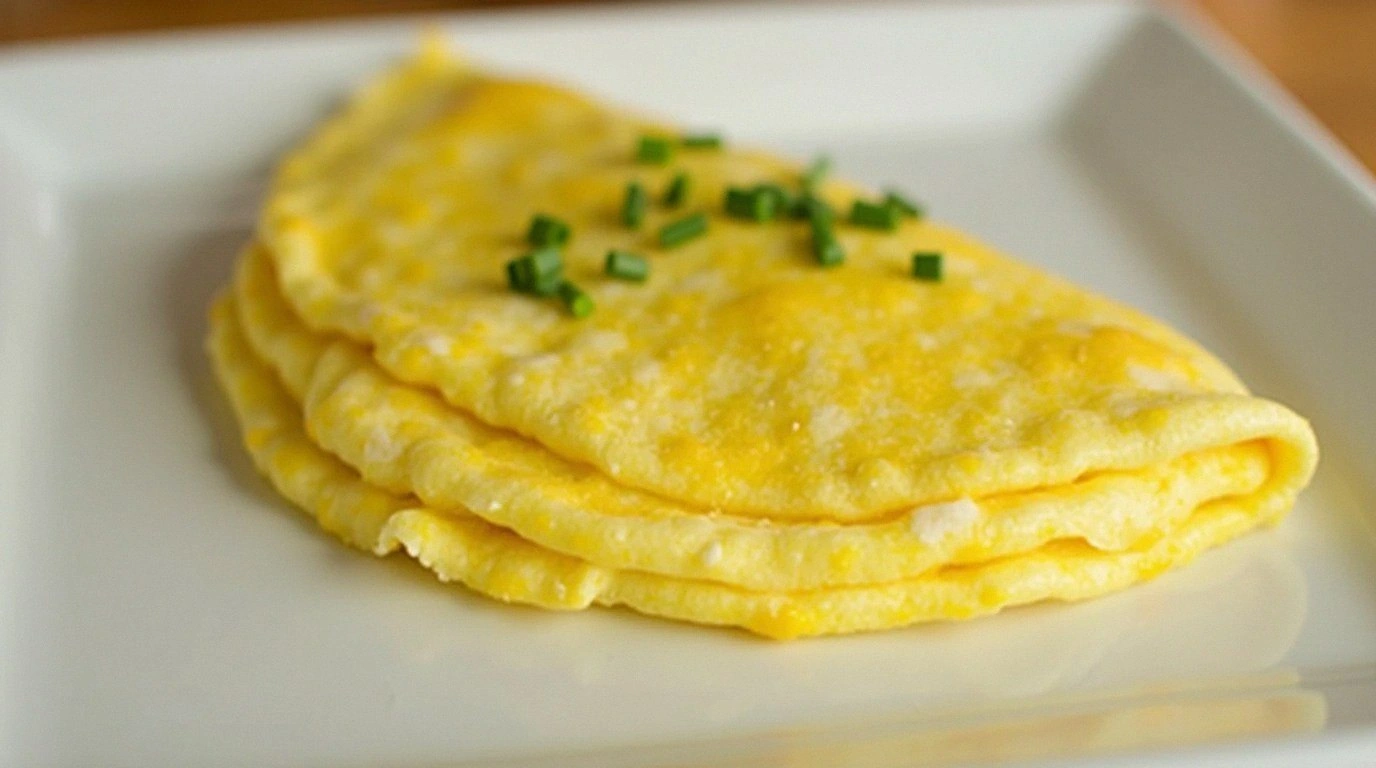
- Fold the other half over the fillings, creating a half‑moon shape. Let the omelet cook for an additional 30 seconds to a minute, allowing the cheese to melt fully and the fillings to warm through.
- Slide the omelet onto a plate and immediately sprinkle the chopped herbs on top. The fresh herbs add a burst of color and a subtle brightness that lifts the whole dish.
- Serve hot, preferably with a side of crusty bread or a light salad. The omelet’s fluffy interior pairs beautifully with crisp greens or a simple tomato salsa.
That’s it— you did it. But hold on, I've got a few more tricks that'll take this to another level…
Insider Tricks for Flawless Results
The Temperature Rule Nobody Follows
Cooking on medium‑low heat is the secret to a perfect omelet. Too high, and you’ll get a browned exterior with a raw interior; too low, and the eggs will take forever to set. Aim for a gentle sizzle—just enough to keep the pan warm without scorching the butter. I’ve found that a preheated skillet at 250°F (120°C) works best for most stovetops.
Why Your Nose Knows Best
The aroma of butter sizzling in the pan is a reliable indicator that the temperature is just right. When the butter starts to bubble softly, you’re at the sweet spot. If it starts to brown or smoke, reduce the heat immediately. Your nose is a great sous‑chef—trust it to guide you to the ideal cooking environment.
The 5‑Minute Rest That Changes Everything
After you plate the omelet, let it rest for 5 minutes before cutting. This brief pause allows the steam to redistribute, ensuring each bite is uniformly fluffy. I’ve tried cutting right away, and the result was uneven—some parts were still raw while others were overcooked.
The Whisking Whisper
Whisk the egg mixture with a back‑and‑forth motion rather than circular. This technique helps incorporate air without creating large bubbles that can collapse during cooking. Think of it as gently coaxing the eggs into a smooth, airy state.
The Filling Balance
Add fillings in moderation. Overloading the omelet with too many ingredients can weigh it down and cause it to lose its fluffiness. A good rule of thumb is to keep fillings to no more than 1/4 cup per serving.
The Final Fold
When folding the omelet, use a gentle, sweeping motion. This helps keep the edges intact and ensures the filling stays centered. Avoid using a forceful twist that can tear the eggs and create uneven textures.
Creative Twists and Variations
This recipe is a playground. Here are some of my favorite ways to switch things up:
Mediterranean Marvel
Swap the cheese for feta, add sun‑dried tomatoes, spinach, and a drizzle of olive oil. The salty feta and sweet tomatoes create a Mediterranean vibe that pairs well with a side of tzatziki.
Spicy Southwest
Introduce diced jalapeños, corn kernels, and a sprinkle of smoked paprika. Finish with a dollop of guacamole for a creamy, spicy kick that feels like a taco breakfast.
Herb Garden Delight
Use a blend of fresh herbs—rosemary, thyme, and oregano—alongside goat cheese. The herbal notes give the omelet a fragrant, garden‑fresh flavor profile.
Breakfast Burrito Style
Wrap the omelet in a warm flour tortilla, add salsa, avocado slices, and a sprinkle of cheddar. This makes for a portable, on‑the‑go breakfast that’s both satisfying and easy to eat.
Vegan Version
Replace the eggs with a chickpea flour batter, add nutritional yeast for cheesiness, and use a plant‑based milk. The result is a fluffy, protein‑rich omelet that’s entirely dairy‑free.
Dessert Surprise
For a sweet twist, fold in fresh berries and a drizzle of honey, then top with a light dusting of powdered sugar. The sweet and savory balance is surprisingly delightful.
Storing and Bringing It Back to Life
Fridge Storage
Cool the omelet completely, then wrap it tightly in plastic wrap. Store in the refrigerator for up to 48 hours. The fluffiness stays intact because the air pockets are sealed, preventing the omelet from drying out.
Freezer Friendly
Wrap the omelet in foil and place it in a freezer bag. It can be frozen for up to 2 weeks. Thaw overnight in the refrigerator before reheating.
Best Reheating Method
Reheat in a skillet over low heat, adding a splash of water or milk to create steam. Cover the pan for 2–3 minutes until the omelet is warmed through. The added liquid keeps the interior moist and fluffy.