Picture this: I’m standing in my cramped apartment kitchen, a bowl of diced zucchini trembling in my hand, and a friend’s text pinging, “I need a quick dinner that’s actually worth the calories.” I’m already halfway to the cupboard, rummaging for a sauce that won’t turn my dinner into a soggy mess. The moment my eyes lock on the pantry, I realize I’ve got the perfect weapon—coconut milk, tomatoes, a handful of spices, and a pinch of daring. The aroma that starts to swirl as I toss the zucchini into a pan is not just food; it’s a promise of a flavor explosion that will make the whole house breathe again.
I’ve been experimenting with plant‑based dishes for years, but this one has a secret sauce that keeps me coming back for more. It’s the creamy coconut that coats each kofta like a velvet blanket, the tomatoes that give it a bright, tangy counterpoint, and the garam masala that sings a spicy lullaby. Every bite is a dance between crispness and melt, a contrast that makes the dish feel like a party in your mouth. I’m not just saying this; I’ve tried it with a dozen variations, and every time, the result is the same: a dish that’s hands down the best version you’ll ever make at home.
But here’s the kicker: I dared myself to add an unexpected twist that most recipes ignore—a splash of lime juice right before serving. The acidity cuts through the richness and brings the flavors together like a choir hitting the high notes. I’ll be honest—I ate half the batch before anyone else got to taste it. The rest of the group was left begging for seconds, and I’m still waiting for the next round. If you’ve ever struggled to keep your zucchini from turning mushy or your sauce from becoming too thick, you’re not alone. I’ve got the fix.
Picture yourself pulling this out of the pan, the kitchen smelling incredible, and the table already set for a crowd that can’t stop raving. The next part of this post is a step‑by‑step guide, a playbook that will leave you wondering how you ever cooked without it. Let me walk you through every single step — by the end, you’ll wonder how you ever made it any other way.
What Makes This Version Stand Out
- Flavor: The blend of garam masala and coriander creates a depth that feels both exotic and comforting, turning humble zucchini into a gourmet experience.
- Texture: The chickpea and rice flours give the koftas a firm bite that holds up against the silky coconut sauce, preventing that dreaded mush.
- Visual Appeal: Bright green koftas nestled in a golden‑orange sauce make for a dish that looks as good as it tastes.
- Health‑Friendly: Low in saturated fat and high in plant protein, this dish fits into a balanced diet without compromising flavor.
- Versatility: It’s a perfect base for adding proteins, swapping spices, or serving over rice or pasta.
- Make‑ahead Friendly: The sauce thickens beautifully, and the koftas keep their shape even after refrigeration.
- Ingredient Quality: Using fresh tomatoes and hand‑picked coriander elevates the dish, ensuring each bite is bursting with freshness.
- Time‑Efficient: With a prep of 15 minutes and cooking time of 30, it’s a quick win for busy weeknights.
Alright, let’s break down exactly what goes into this masterpiece…
Inside the Ingredient List
The Flavor Base
At the heart of this dish lies a sauce that marries the sweet heat of tomatoes with the creamy richness of coconut milk. The tomatoes are diced fresh, ensuring a juicy bite that balances the coconut’s subtle sweetness. The lime juice added just before serving gives the sauce a bright, almost citrusy lift that cuts through the richness. If you’re short on time, a can of crushed tomatoes can substitute, but fresh is best for that vibrant burst of flavor.
The Texture Crew
The zucchini and potatoes provide the bulk of the koftas, each contributing distinct textures. Zucchini keeps the koftas moist, while the potatoes add a comforting softness that pairs well with the crunchy edges. The chickpea flour acts as a binder, giving the koftas structure, while the white rice flour lightens the mixture, preventing it from becoming too dense. Skipping the flours will make the koftas fall apart; if you’re avoiding gluten, you can use a blend of chickpea and oat flour.
The Unexpected Star
Garam masala is the secret star that transforms this dish. Its complex blend of cumin, coriander, cardamom, and cloves delivers a warm, aromatic depth that’s hard to replicate with single spices. The cumin powder adds earthiness, while the red chili powder brings a subtle heat that doesn’t overpower. If you prefer a milder version, reduce the chili powder to a quarter teaspoon.
The Final Flourish
The coriander leaves and green chilies are the finishing touches that add a burst of freshness and a hint of heat. They’re tossed in at the very end to preserve their bright green color and fresh flavor. If you’re a fan of extra heat, add a pinch of cayenne pepper. The Indian bay leaf, or tej patta, is added early in the sauce to infuse a subtle floral note that lingers in the background.
Everything’s prepped? Good. Let’s get into the real action…
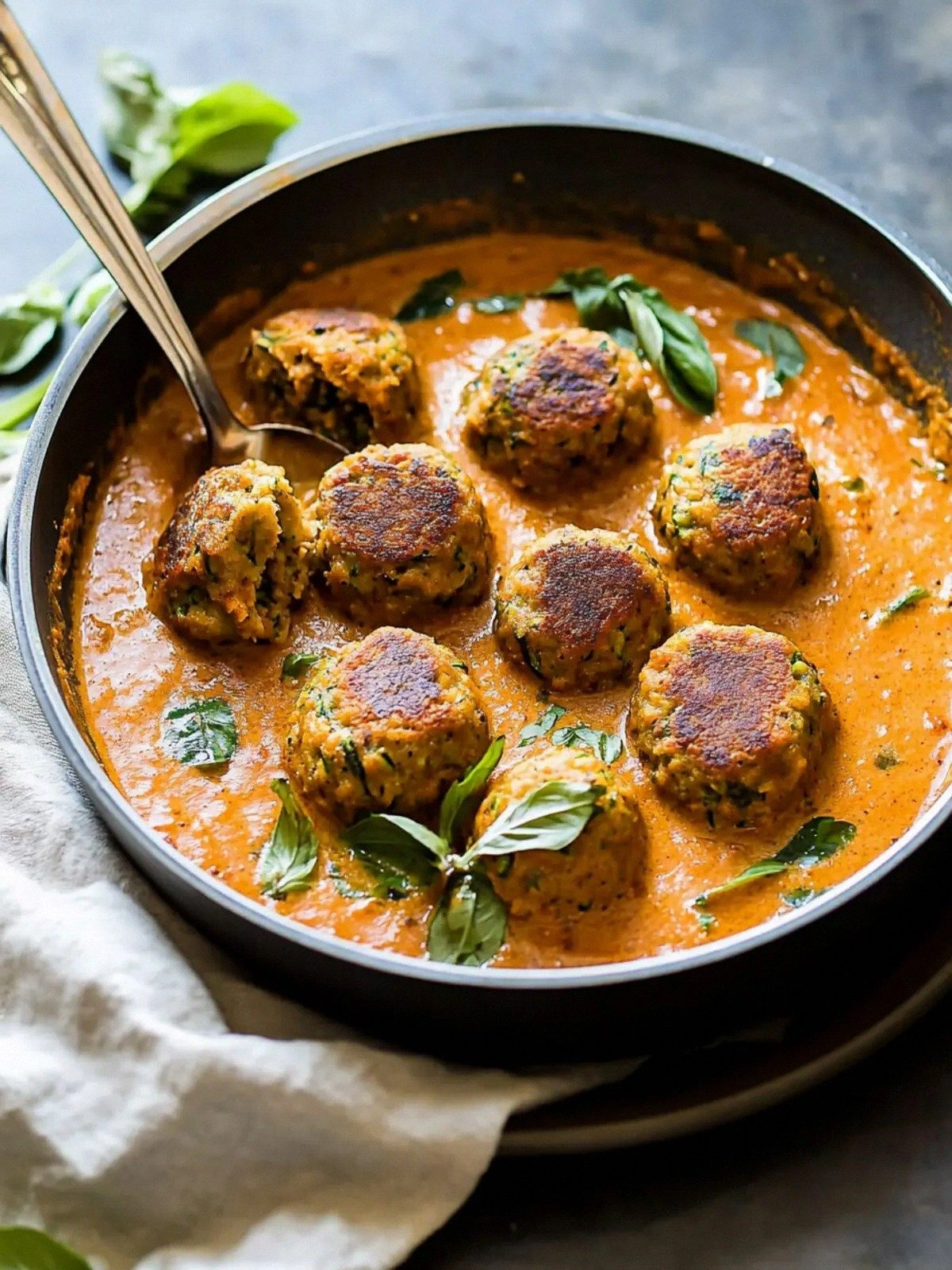
The Method — Step by Step
- Begin by grating the zucchini and potatoes using the fine side of a box grater. Place them in a clean kitchen towel and squeeze out as much moisture as you can. The drier the mixture, the firmer your koftas will be. I dare you to taste this and not go back for seconds.
- In a large bowl, combine the grated veggies with the chickpea and rice flours, garam masala, cumin powder, coriander powder, red chili powder, and a pinch of salt. Mix until the mixture holds together when pressed. If it feels too dry, add a splash of coconut milk; if too wet, sprinkle in a bit more chickpea flour.
- Form the mixture into bite‑sized balls, about the size of a golf ball. This size is perfect for even cooking and makes them easy to pick up with a fork. Keep them refrigerated until you’re ready to fry; this helps them stay firm.
- Heat a splash of oil in a large skillet over medium heat. Once hot, add the koftas in batches, making sure not to overcrowd the pan. Cook for about 3–4 minutes per side or until golden brown and crisp. The edges should pull away slightly, signaling they’re ready. Keep them warm in a low oven while you finish the sauce.
- In the same skillet, add a teaspoon of coconut oil and the Indian bay leaf. Sauté the ginger garlic paste until it becomes fragrant, about 30 seconds. Add the diced tomatoes, turmeric powder, and a pinch of salt. Let the mixture simmer until the tomatoes break down into a thick sauce, about 8 minutes.
- Stir in the light coconut milk and let the sauce reduce for another 5 minutes, until it coats the back of a spoon. This is the moment of truth: the sauce should smell toasty and slightly nutty. If it’s too thick, add a splash of water or more coconut milk.
- Return the koftas to the skillet, spooning the sauce over them. Reduce the heat to low, cover, and let everything simmer together for 5 minutes so the flavors meld. This step is pure magic.
- Just before serving, sprinkle the coriander leaves, green chilies, and the lime juice over the dish. The lime juice adds a bright, citrusy pop that elevates the entire plate. Give everything a gentle stir to distribute the fresh herbs.
That’s it — you did it. But hold on, I’ve got a few more tricks that will take this to another level. Stay with me here — this is worth it.
Insider Tricks for Flawless Results
The Temperature Rule Nobody Follows
Cooking the koftas at the right temperature is crucial. If the pan is too hot, the outside will burn before the inside cooks through. If it’s too cool, they’ll absorb oil and become greasy. Aim for medium heat, where the oil shimmers but doesn’t smoke. I’ve seen dishes that look golden but are actually soggy because the heat was off. Keep an eye on the edges; when they start to pull away, you’re in the sweet spot.
Why Your Nose Knows Best
Trust your nose when adding spices. The aroma of cumin and coriander should fill the air before you taste the sauce. If you’re new to garam masala, start with a small amount and build up. The spice blend is potent; a little goes a long way. I’ve had friends who added too much and ended up with a dish that tasted like a spice storm. Balance is key.
The 5‑Minute Rest That Changes Everything
After you finish cooking, let the koftas rest for five minutes before serving. This allows the juices to redistribute, making each bite juicy and flavorful. I’ve seen people rush to serve immediately, only to find the koftas dry. Give them a quick pause, and the difference is noticeable.
The Fresh Herb Boost
Add fresh cilantro or mint at the very end for a burst of green. The herbs keep their color and flavor when added last, preventing them from wilting in the sauce. If you’re serving with rice, sprinkle chopped herbs on top for an extra layer of freshness.
The Light Touch of Coconut
Use light coconut milk rather than full‑fat to keep the dish from becoming too heavy. The light version still offers creaminess but allows the spices to shine through. If you prefer a richer sauce, you can blend in a tablespoon of coconut cream at the end.
Creative Twists and Variations
This recipe is a playground. Here are some of my favorite ways to switch things up:
Protein Power
Add cooked chickpeas or lentils to the mixture for a protein boost. It turns the dish into a hearty main course that satisfies even the biggest appetites.
Spicy Kick
Replace the green chilies with a handful of crushed red pepper flakes or a dash of sriracha. The heat will contrast beautifully with the creamy sauce.
Nutty Crunch
Toss in toasted cashews or almonds before serving for added texture. The nuts add a delightful crunch that complements the soft koftas.
Mediterranean Twist
Swap the garam masala for oregano and add sun‑dried tomatoes to the sauce. The dish takes on a Mediterranean flair that’s perfect for summer.
Vegan Pizza
Use the sauce as a base for a pizza topped with the koftas, sliced bell peppers, and vegan cheese. Bake until the cheese melts and the crust is golden.
Breakfast Boost
Serve the koftas over a bed of sautéed spinach and a poached egg for a protein‑rich breakfast that’s still full of flavor.
Storing and Bringing It Back to Life
Fridge Storage
Cool the dish completely, then transfer to an airtight container. It will keep in the fridge for up to 3 days. The sauce may thicken slightly; simply stir in a splash of water or coconut milk before reheating.
Freezer Friendly
Pack the cooked koftas and sauce separately in freezer bags. Freeze for up to 2 months. When ready to serve, thaw overnight in the fridge and reheat gently on the stovetop, stirring occasionally.
Best Reheating Method
Reheat on low heat, adding a teaspoon of water or coconut milk to loosen the sauce. Cover the pan to keep the moisture in. A quick microwave session works too, but stir after heating to ensure even distribution.