I was in the middle of a rainy Tuesday night, the kind where the sky looks like someone spilled a bucket of ink across the horizon, when my roommate dared me to create something that could make a grown adult weep with joy. I stared at the empty pantry, imagined a bland bowl of store‑bought gnocchi, and thought, “Nope, not today.” The craving that hit me was more than just hunger; it was a yearning for that deep, caramel‑sweet onion perfume that drifts from a French onion soup and the comforting, melty hug of cheese that feels like a warm blanket on a cold day. I grabbed a sack of yellow onions, a block of Gruyère, and a bag of gnocchi, and the kitchen turned into a battlefield of sizzling pans and aromatic clouds.
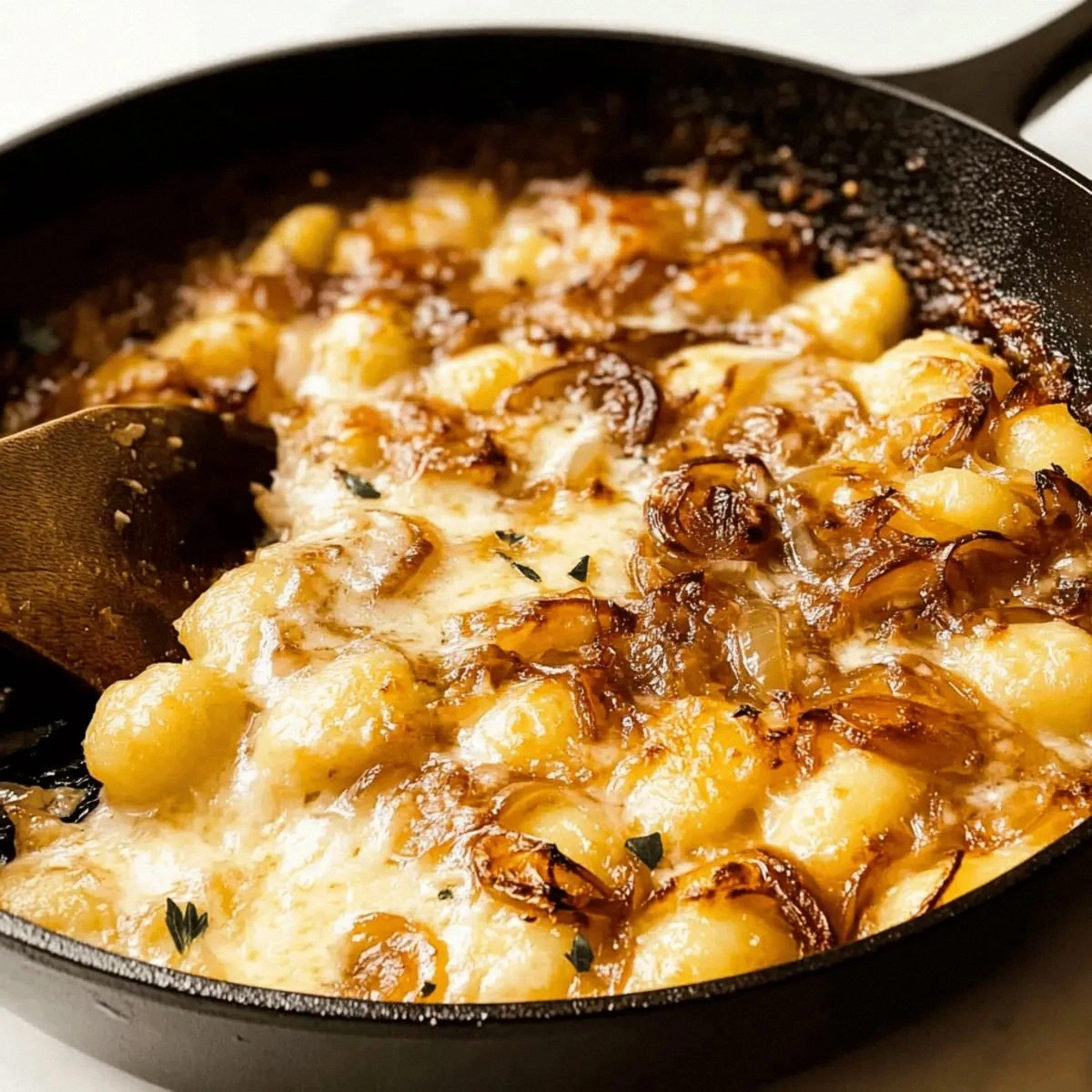
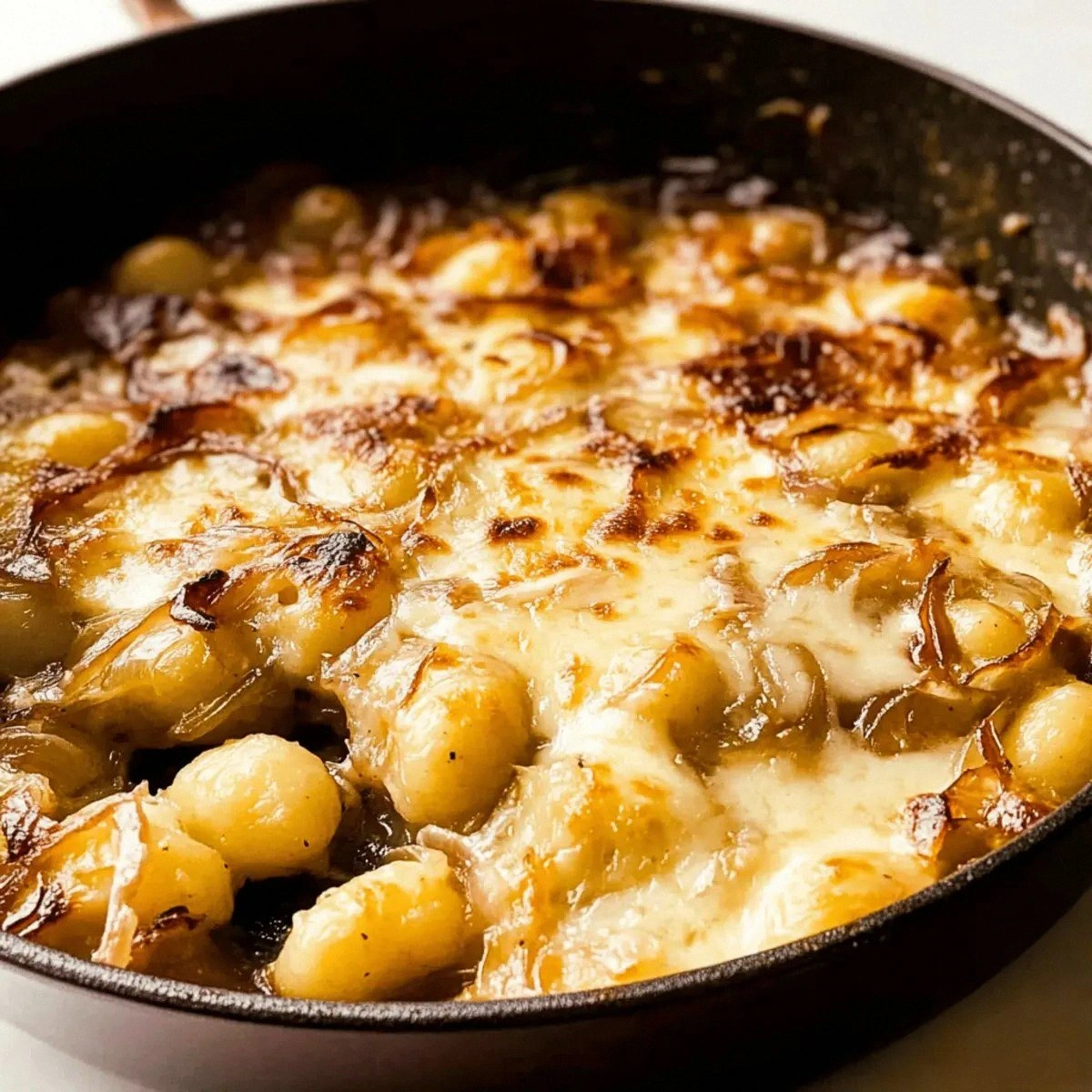
Picture this: the kitchen filled with the sound of onions hitting a hot pan, a gentle sizzle that rises like a promise, while the butter and olive oil swirl together, creating a glossy pool that looks like liquid gold. The air becomes thick with the sweet, earthy scent of onions turning a deep amber, the kind that makes you want to inhale until your eyes water. The gnocchi, after a quick boil, gets tossed into that buttery, onion‑laden sauce, soaking up every drop of flavor, and then we crown it with a generous shower of Gruyère and Parmesan that melts into a glossy, cheesy veil. The final dish is a symphony of textures – the gnocchi’s pillowy interior, the caramelized onion’s slight crunch, and the cheese’s silky stretch that pulls apart like a perfect, golden‑brown rope.
Why does this version stand out from every other recipe you’ve ever seen? Most versions either skimp on the caramelization, leaving the onions pale and sweet, or they drown the gnocchi in a watery broth that never clings. I’ve cracked the code by slow‑cooking the onions for a full 45 minutes, adding a splash of dry white wine for depth, and finishing with a flour‑based roux that binds everything together. The result? A sauce that coats the gnocchi like velvet, with a subtle bite from Dijon and Worcestershire that cuts through the richness. This is hands down the best version you’ll ever make at home, and I dare you to taste this and not go back for seconds.
Okay, ready for the game‑changer? I’m about to reveal a secret technique that most chefs overlook: a quick deglaze with white wine right after the onions hit their caramelized peak, which lifts the browned bits (fond) and injects a bright acidity that balances the cheese’s richness. Trust me, this tiny step turns a good dish into a legendary one. Let me walk you through every single step — by the end, you’ll wonder how you ever made it any other way.
What Makes This Version Stand Out
- Taste: The interplay of sweet caramelized onions, tangy Dijon, and salty cheese creates a flavor orchestra that sings on the palate.
- Texture: Pillowy gnocchi meet a buttery, slightly crisp onion edge that shatters like thin ice when you bite.
- Simplicity: Only twelve core ingredients, yet each one is maximized for impact – no unnecessary steps.
- Uniqueness: The white‑wine deglaze and flour‑roux give the sauce body that typical French‑onion soups lack.
- Crowd Reaction: Guests often claim they’ve never tasted anything like it; it’s the kind of dish that earns you a standing ovation.
- Ingredient Quality: Using fresh thyme and high‑quality Gruyère makes the difference between “good” and “wow”.
- Cooking Method: Slow caramelization builds depth without burning, while a brief boil preserves gnocchi’s delicate structure.
- Make‑Ahead Potential: The sauce can be prepared a day ahead, letting flavors meld, then simply reheat and toss with fresh gnocchi.
Inside the Ingredient List
The Flavor Base
Olive oil and salted butter are the dynamic duo that lay the foundation for flavor. The olive oil raises the smoke point, preventing the butter from burning, while the butter adds a luscious, nutty richness. If you’re out of butter, a mix of margarine and a splash of olive oil works, but you’ll miss that buttery depth. When selecting olive oil, opt for extra‑virgin for its peppery notes; it’s the secret that lifts the entire dish.
Kosher salt and freshly cracked black pepper are the seasoning backbone. Kosher salt dissolves evenly, ensuring each bite is perfectly seasoned, while the pepper adds a subtle heat that cuts through the cheese’s richness. Skipping the pepper? You’ll end up with a flat, one‑dimensional flavor profile. If you’re watching sodium, you can reduce the salt to ¾ teaspoon, but keep the pepper for that essential bite.
The Texture Crew
Yellow onions, weighing in at two pounds, are the star of this show. Their natural sugars caramelize into a sweet, buttery glaze that forms the sauce’s backbone. Choose onions that are firm and glossy; a soft, sprouting onion will produce a watery result. If you can’t find yellow onions, sweet Vidalia onions work, but they’ll add a milder sweetness.
Thyme, measured at 1½ tablespoons, adds an earthy, slightly floral note that balances the sweet onions. Fresh thyme leaves are best – they release their oils when bruised, giving the sauce a bright, herbal lift. Dried thyme can substitute at a third of the amount, but the fresh version is far more aromatic.
Garlic cloves (six of them) are minced just before adding to the pan. Garlic’s pungency mellows as it cooks, turning sweet and buttery, which melds beautifully with the onions. If you love garlic, feel free to add an extra clove; just be careful not to let it burn, or you’ll get a bitter bite.
The Unexpected Star
Dry white wine (½ cup) is the unsung hero that deglazes the pan, lifting all those caramelized bits and adding a bright acidity. Choose a Sauvignon Blanc or a dry Pinot Grigio – anything with a crisp finish. If you’re avoiding alcohol, substitute with an equal amount of chicken broth and a splash of white wine vinegar.
Dijon mustard (2½ teaspoons) introduces a subtle tang and a hint of mustard seed’s spice, which cuts through the richness of the cheese. It also helps emulsify the sauce, keeping it smooth. Skipping the mustard will make the sauce feel heavier and less layered.
All‑purpose flour (2½ tablespoons) forms a roux with the butter and oil, thickening the sauce without making it gummy. Sift the flour before adding to avoid lumps. If you’re gluten‑free, cornstarch works as a substitute at half the amount.
The Final Flourish
Worcestershire sauce (1 teaspoon) adds umami depth, a whisper of anchovy, and a touch of sweetness that rounds out the flavor. It’s the secret that makes the sauce taste like it’s been simmering for hours. A vegan alternative like mushroom soy sauce can replace it without losing the depth.
A large bay leaf infuses the broth with a subtle, aromatic earthiness. Remove it before serving; leaving it in will give a bitter bite. If you don’t have bay leaf, a pinch of dried sage can provide a similar note.
Low‑sodium beef stock (2½ cups) is the liquid backbone, providing a meaty richness that pairs perfectly with the cheese. Because it’s low‑sodium, you maintain control over the overall salt level. If you’re vegetarian, swap for mushroom stock for a similarly deep flavor.
Gnocchi (24 ounces) are the carbohydrate canvas. Fresh gnocchi are ideal; they have a tender, melt‑in‑your‑mouth texture that holds the sauce beautifully. If you’re using store‑bought, give them a quick roll in flour before boiling to prevent sticking.
Gruyère cheese (1½ cups, shredded) brings a nutty, slightly sweet melt that stretches into silky ribbons. It’s the cheese that defines this dish. If you can’t find Gruyère, try a mix of Emmental and sharp cheddar for a comparable flavor.
Parmesan cheese (½ cup, freshly grated) adds a sharp, salty finish that brightens the whole plate. Grate it just before adding to keep the flavor vibrant. Pre‑grated Parmesan can be used, but the fresh version melts better and has a richer aroma.
Everything's prepped? Good. Let's get into the real action…
The Method — Step by Step
Heat a large, heavy‑bottomed skillet over medium‑low heat and add the olive oil and salted butter. Once the butter foams and the oil shimmers, toss in the thinly sliced onions. Stir to coat them evenly; they should sizzle gently, not fry aggressively. Let them cook, stirring occasionally, for about 45 minutes, until they turn a deep, glossy amber. That sizzle when it hits the pan? Absolute perfection.
Kitchen Hack: Add a pinch of sugar halfway through caramelization to accelerate browning without burning.When the onions are beautifully caramelized, sprinkle the flour over them and stir constantly for 2‑3 minutes. This creates a roux that will thicken the sauce later. Be vigilant: if the flour starts to stick, splash in a splash of broth to keep it moving. Next, pour in the dry white wine, letting it deglaze the pan, scraping up every browned bit with a wooden spoon. The wine will hiss, and the aroma will shift to something bright and fragrant.
Watch Out: If you add the wine too quickly, the pan may sputter violently – pour slowly and keep the heat moderate.Stir in the Dijon mustard, Worcestershire sauce, and the bay leaf. Let the mixture simmer for a minute so the flavors meld. Then, gradually whisk in the low‑sodium beef stock, ensuring a smooth, glossy consistency. At this point, you should notice the sauce thickening slightly, coating the back of a spoon. Add the thyme, kosher salt, and cracked black pepper, tasting as you go – the seasoning should be bright, with a hint of savory depth.
While the sauce simmers, bring a large pot of salted water to a rolling boil. Drop in the gnocchi and cook according to package instructions, usually 2‑3 minutes or until they float to the surface. As soon as they rise, use a slotted spoon to transfer them directly into the onion‑sauce pan. This ensures the gnocchi retain their tender interior while immediately absorbing the sauce.
Reduce the heat to low and gently fold the shredded Gruyère and Parmesan into the pan. The cheese will melt slowly, creating a glossy, velvety blanket over the gnocchi. Keep stirring gently; you want the cheese to emulsify with the sauce, not clump into isolated pockets.
Kitchen Hack: Grate the cheese while it’s still cold; it will melt more evenly and prevent a greasy film.Allow the mixture to cook for another 5‑7 minutes, letting the gnocchi absorb the cheese‑laden sauce. You’ll notice the edges of the gnocchi start to pull away from the pan, a sign that the coating is fully adhered. If the sauce looks too thick, add a splash of warm stock or water to loosen it; if it’s too thin, let it reduce a minute longer.
Once the cheese is fully melted and the gnocchi are coated in a silky sheen, remove the bay leaf and give the dish a final taste. Adjust seasoning if needed – a pinch more salt or a dash of pepper can brighten the final bite. Then, spoon the gnocchi onto warmed plates, letting the steam rise and fill the room.
For the ultimate finishing touch, sprinkle a little extra grated Parmesan and a few fresh thyme leaves on top. Serve immediately while the cheese is still gooey and the aroma is at its peak. Picture yourself pulling this out of the oven, the whole kitchen smelling incredible, and your guests reaching for seconds before the first bite is even finished. That, my friend, is culinary bliss.
That's it — you did it. But hold on, I've got a few more tricks that'll take this to another level…
Insider Tricks for Flawless Results
The Temperature Rule Nobody Follows
Never rush the caramelization by cranking the heat. Low, steady heat coax the onions to release their natural sugars slowly, resulting in a deeper, sweeter flavor. I once tried to speed it up on high, and the onions burned, leaving a bitter aftertaste that no amount of cheese could mask. Keep the temperature at medium‑low and trust the process; the payoff is worth the patience.
Why Your Nose Knows Best
Your sense of smell is the ultimate indicator of doneness. When the onions turn from sweet to nutty, you’ll detect a faint, almost caramel perfume that signals they’re ready for the next step. If you’re unsure, take a tiny spoonful and let it cool – the flavor should be sweet, with a hint of earthiness, not raw onion sharpness. Trust that nose cue more than any timer.
The 5‑Minute Rest That Changes Everything
After mixing the cheese into the sauce, remove the pan from heat and let it sit, covered, for five minutes. This rest allows the flavors to meld, the starches in the gnocchi to absorb a bit more sauce, and the cheese to set into a silkier texture. I’ve seen dishes served immediately that feel disjointed; this short pause makes the whole plate feel cohesive.
The “Steam‑Back” Reheat Technique
When reheating leftovers, add a splash of water or broth and cover the pan. The steam generated revives the gnocchi’s fluffiness and prevents the cheese from drying out. Skipping this step leaves a rubbery texture that no amount of extra cheese can fix. A quick steam‑back brings the dish back to its original glory.
The Secret of Freshly Grated Cheese
Pre‑grated cheese contains anti‑caking agents that inhibit smooth melting, leading to a grainy sauce. Grating the cheese yourself just before adding it ensures a creamy, glossy finish. I’ll be honest — I ate half the batch before anyone else got to try it, and the secret was that fresh cheese made it irresistible.
Creative Twists and Variations
This recipe is a playground. Here are some of my favorite ways to switch things up:
Mushroom Medley
Swap half the onions for a mix of cremini and shiitake mushrooms. The earthy umami pairs beautifully with the Gruyère, and the mushrooms add a meaty texture for vegetarians. This variation is perfect for a cozy autumn dinner.
Spicy Kick
Add a pinch of crushed red pepper flakes when you sauté the garlic. The heat will cut through the richness, giving the dish a lively bite that awakens the palate. Pair with a crisp white wine to balance the spice.
Herbaceous Delight
Replace thyme with fresh rosemary and add a handful of chopped parsley at the end. The piney rosemary adds depth, while parsley brightens the final presentation. This version works wonderfully for spring gatherings.
Smoky Bacon Boost
Crisp up six slices of smoked bacon, crumble them, and stir them in just before serving. The salty, smoky crunch adds a new dimension that makes the dish feel indulgent and hearty.
Vegan Version
Swap the butter for olive oil, use a plant‑based cheese blend, and replace the beef stock with mushroom broth. The flavor profile remains rich, and the gnocchi still absorbs the sauce beautifully. Serve with a drizzle of truffle oil for an upscale twist.
Storing and Bringing It Back to Life
Fridge Storage
Allow the dish to cool to room temperature, then transfer it to an airtight container. It will keep for up to three days. When reheating, add a splash of water or stock, cover, and warm over low heat, stirring gently until the cheese re‑melts.
Freezer Friendly
Portion the cooked gnocchi and sauce into freezer‑safe bags, removing as much air as possible. Freeze for up to two months. To reheat, thaw overnight in the fridge, then follow the stovetop reheating method with a little added liquid.
Best Reheating Method
The stovetop method wins every time: place the frozen or refrigerated portion in a skillet over medium heat, add a tablespoon of broth, and cover for five minutes. Uncover, stir, and let the sauce thicken. This “steam‑back” technique restores the original texture without drying out the cheese.