What Makes This Version Stand Out
- Flavor: The caramelized butter and brown sugar create a deep, buttery sweetness that pairs perfectly with the tartness of the jam. It’s a flavor profile that feels both nostalgic and adventurous.
- Texture: The toasted oats give a satisfying chew, while the jam adds a burst of juiciness that contrasts with the dry base.
- Convenience: No complicated steps or exotic ingredients. All you need is a few pantry staples and a single pan.
- Versatility: This base can be customized with different jams, nuts, or dried fruits, making it a playground for flavor experimentation.
- Crowd‑pleaser: Whether you’re hosting a brunch or packing lunches, these bars are guaranteed to get a thumbs‑up from kids and adults alike.
- Ingredient Quality: Using high‑quality butter and a real, not‑sugar‑added jam ensures a superior taste that you’ll notice immediately.
- Make‑ahead Potential: These bars can be stored in an airtight container for a week, making them perfect for meal prep or on‑the‑go snacks.
Inside the Ingredient List
The Flavor Base
Unsalted butter and light brown sugar form the sweet, caramelized foundation of these bars. The butter’s richness coats every grain of oat, while the brown sugar adds depth and a subtle molasses note. If you skip this step, the bars will feel flat and under‑seasoned, lacking that glossy sheen that makes them look as good as they taste.
The Texture Crew
Old fashioned oats give the bars a hearty chew, while all‑purpose flour provides structure and binds everything together. The combination of oat and flour creates a harmonious balance: the oats keep the bars from becoming too dense, and the flour gives them a tender crumb. A common mistake is to use instant oats, which can make the bars overly mushy.
The Unexpected Star
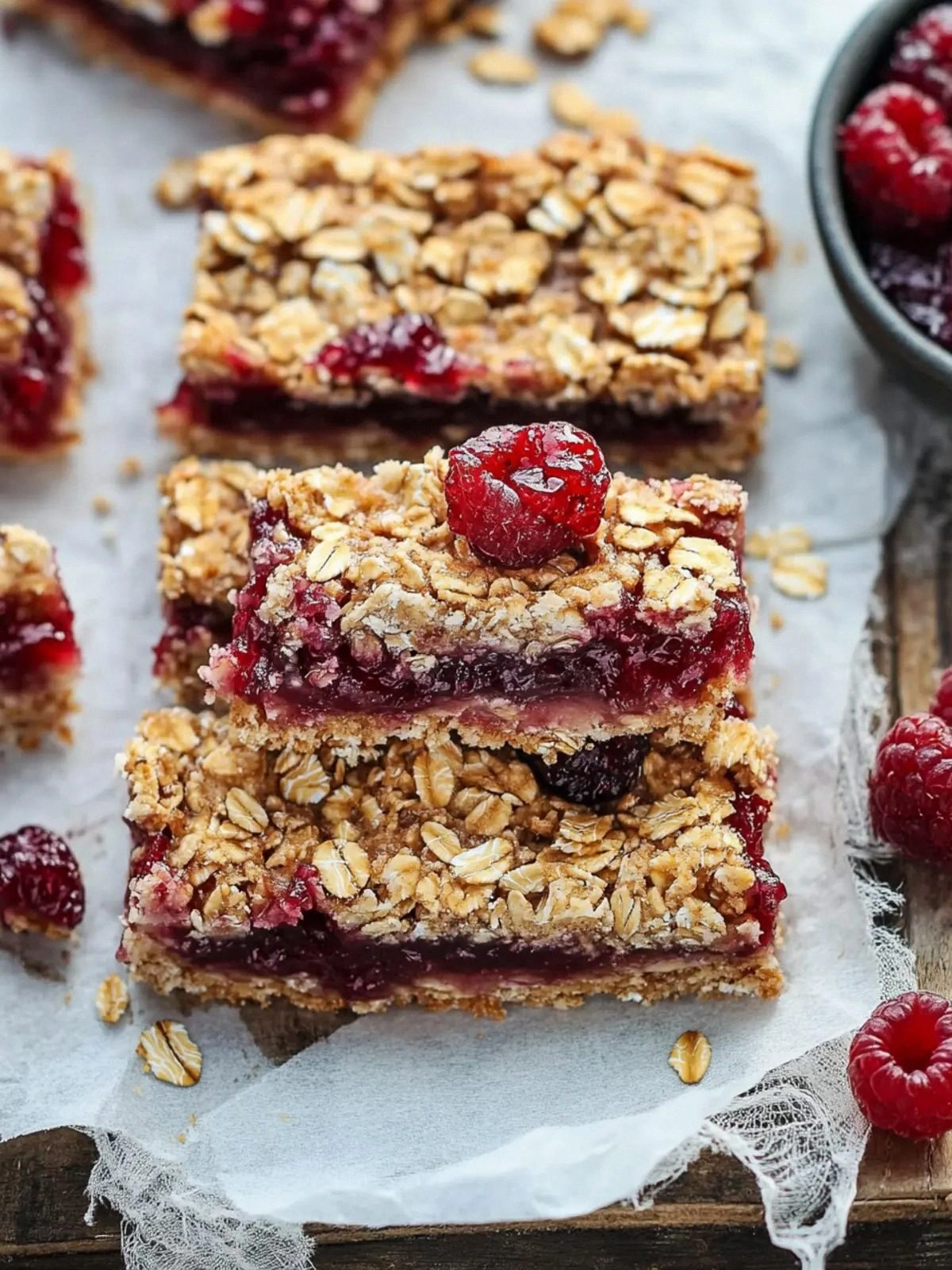
Jam or preserves is the secret weapon that turns a simple oat bar into a flavor explosion. A thick, fruit‑filled jam adds moisture and a burst of tartness that cuts through the sweetness. If you’re adventurous, try a mix of two jams—think strawberry‑ginger or blueberry‑lavender—for a multi‑layered experience.
The Final Flourish
Baking soda and a pinch of salt are the small but mighty players that lift the dough and balance the sweetness. Baking soda neutralizes the acidity in the jam, ensuring the bars rise just enough to stay airy. Salt, though used sparingly, brings out the other flavors, preventing the bars from feeling one‑dimensional.
Everything’s prepped? Good. Let’s get into the real action, where the magic happens in a single pan.
The Method — Step by Step
- Heat a large, heavy‑bottom skillet over medium heat. Add the butter and let it melt until it starts to foam. This is the moment of truth; you’ll know it’s ready when the butter turns a golden amber color and emits a faint nutty aroma. Watch the butter carefully—once it reaches the right stage, it should not burn.
- Stir in the brown sugar, whisking until it dissolves and the mixture becomes glossy. Keep stirring for about 30 seconds; you’ll see the sugar caramelize slightly, adding a depth of flavor that’s impossible to replicate with white sugar alone. The mixture should look like a warm amber glaze.
- Add the oats, flour, baking soda, and salt to the pan. Stir vigorously until the dry ingredients are fully coated with the butter‑sugar mixture. The dough will feel thick and slightly sticky; that’s exactly how it should be. At this point, you can add a splash of milk if you prefer a softer crumb, but it’s optional.
- Reduce the heat to low and spread the dough evenly in the pan, pressing it down with a spatula. It should form a compact, even layer. If you’re aiming for a thicker bar, press it down harder; for a thinner, crispier bar, spread it thinner.
- Let the base cook for 8–10 minutes, or until the edges start pulling away from the pan and the center looks set. This slow cooking allows the oats to toast, giving the bars that signature nutty crunch. Avoid lifting the lid; the steam is essential for even cooking.
- While the base is cooking, prepare the jam filling. If you’re using a thick preserve, you can simply spoon it onto the center of the dough. If it’s too thick, warm it slightly in a microwave to make it more spreadable. The jam should be warm enough to melt into the dough but not so hot that it liquefies the entire bar.
- Once the base is ready, spoon the jam in the center, creating a small pool. Then, carefully spread the remaining dough over the jam, sealing it completely. The jam should be fully covered, but the top should still be slightly shiny. This ensures the jam stays inside while the bar bakes.
- Return the pan to the stove and cook for another 12–15 minutes, or until the top turns a golden brown and a toothpick inserted into the center comes out clean. This final bake is where the flavors meld, and the jam’s juices are absorbed into the dough.
- Remove the pan from the heat and let the bars cool in the pan for 10 minutes. This resting period allows the bars to set, making them easier to cut. After the rest, transfer the bars onto a wire rack to cool completely.
- Once cooled, cut the bars into squares or rectangles using a sharp knife. Serve immediately, or store in an airtight container at room temperature for up to 5 days. If you’re packing them for lunch, wrap each bar individually in parchment paper to keep them fresh.
That’s it — you did it. But hold on, I’ve got a few more tricks that’ll take this to another level.
Insider Tricks for Flawless Results
The Temperature Rule Nobody Follows
Many bakers think a higher temperature guarantees a crispier bar, but the secret lies in low, steady heat. Cooking at 325°F (165°C) ensures the oats toast evenly and the jam melts without searing the butter. I once tried a higher heat and ended up with a burnt exterior and a soggy center. Stick to the low heat for a balanced result.
Why Your Nose Knows Best
The aroma of butter caramelizing is your best indicator of readiness. When you smell a sweet, nutty scent, you’re close to the perfect stage. If the smell is too buttery, the mixture is over‑cooked; if it’s still raw, give it a few more minutes.
The 5-Minute Rest That Changes Everything
After you remove the pan from heat, let the bars sit for exactly five minutes before cutting. This rest allows the structure to set, preventing the bars from falling apart. I’ve seen bars crumble when cut immediately; the five‑minute pause is the difference between a mess and a masterpiece.
The Secret to a Smooth Top
If you want a glossy, even top, lightly brush the surface with a beaten egg white before the final bake. The egg white will give a beautiful shine and help the bars set with a slight crispness. This trick is especially handy when you’re serving the bars at a party.
The Jam Layer Technique
Instead of spooning all the jam at once, create a thin ring around the center of the dough. This creates a “burst” of flavor in each bite, as the jam seeps into the dough during baking. It’s a small tweak that makes a big difference.
Creative Twists and Variations
This recipe is a playground. Here are some of my favorite ways to switch things up:
Nutty Crunch
Add a handful of chopped almonds or walnuts to the dry mix. The nuts add a crunchy texture and a nutty flavor that complements the sweet jam.
Spiced Delight
Stir in a pinch of cinnamon or nutmeg before cooking. The warm spices elevate the bars to a cozy, autumn‑like treat.
Chocolate Swirl
Swap the jam for dark chocolate chips or a drizzle of melted chocolate after baking. The chocolate adds richness and a slightly bitter counterpoint.
Citrus Burst
Use a citrus‑infused jam, like orange marmalade, or add a splash of lemon zest to the dough. The bright citrus notes cut through the sweetness for a fresh finish.
Vegan Version
Replace butter with coconut oil and use a plant‑based jam. The result is a deliciously chewy bar that’s dairy‑free yet still indulgent.
Savory Surprise
Try a savory jam, like tomato or roasted red pepper preserve. The sweet‑savory combination creates a unique snack that’s perfect for a light lunch.
Storing and Bringing It Back to Life
Fridge Storage
Wrap the bars individually in parchment paper and place them in an airtight container. They’ll stay fresh for up to five days in the refrigerator. When you’re ready to eat, let them sit at room temperature for 10 minutes to bring out the flavors.
Freezer Friendly
For longer storage, freeze the wrapped bars on a baking sheet until solid, then transfer them to a freezer bag. They’ll keep for up to three months. Thaw overnight in the fridge, then let them sit at room temperature for a few minutes before serving.
Best Reheating Method
Reheat a single bar in the microwave for 15–20 seconds, or warm a few bars in a preheated oven at 350°F (175°C) for 5 minutes. Add a tiny splash of water before reheating to create steam; this keeps the bars moist and restores the chewy texture.