Picture this: it’s a rainy Tuesday night, the kind of evening when the only thing on your mind is a pot of something that can turn a dreary kitchen into a sanctuary of aroma. I had just finished a disastrous attempt at a classic Puerto Rican stew, and the air was thick with disappointment—sauces too thin, vegetables that tasted like they’d been forgotten in the back of the fridge, and a beef that was less tender than a stubborn piece of steak. A friend, ever the culinary daredevil, challenged me to “make it so good you’ll want to keep it secret.” That dare turned into a mission, and the result is the Hearty Puerto Rican Beef Sanco that has become my go-to comfort dish. I dare you to taste this and not go back for seconds.
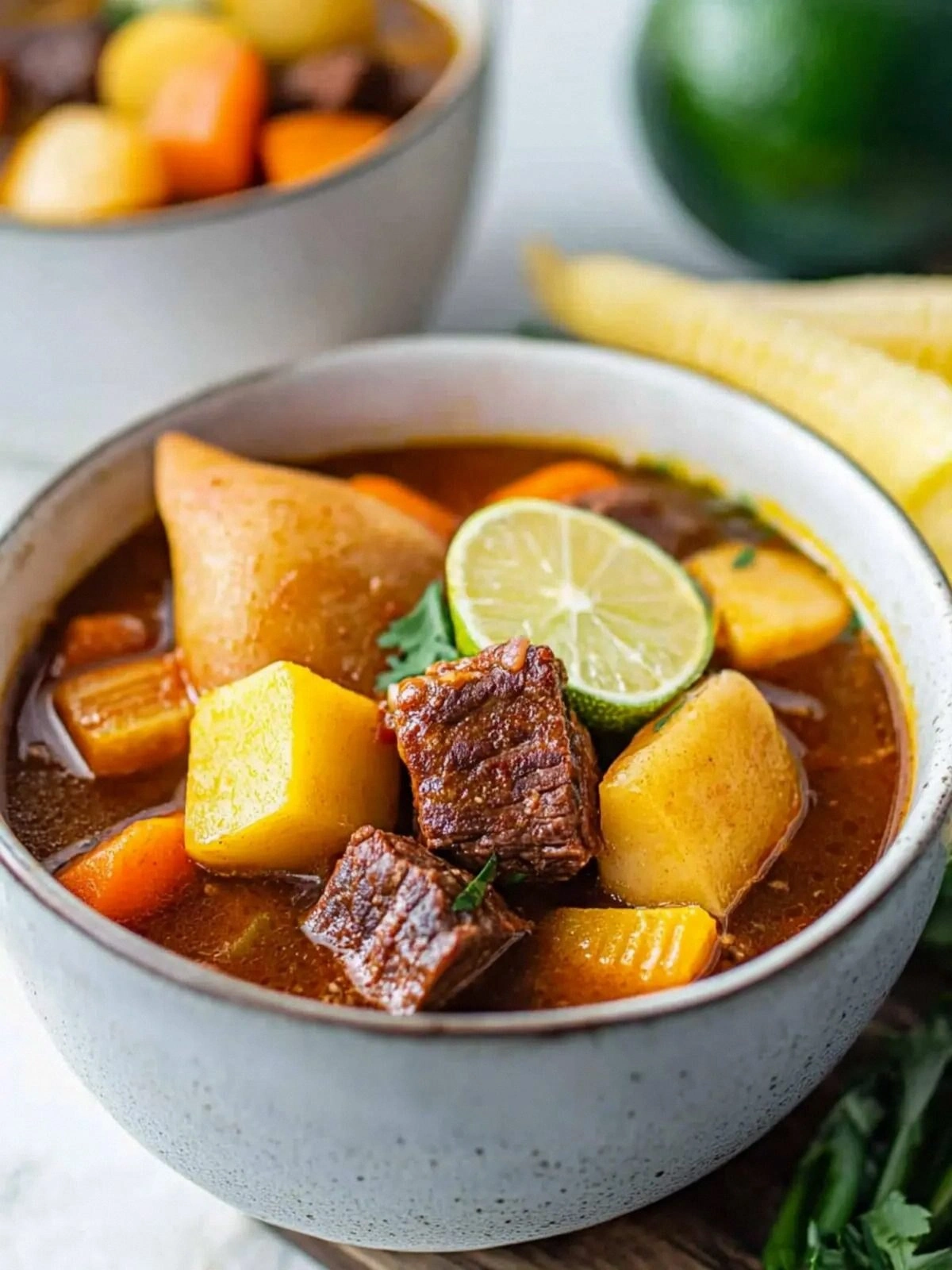
I could almost hear the sizzle of olive oil greeting the pan, the way the onion releases a sweet perfume that mingles with the bright, citrusy bite of green bell pepper. The sound of garlic cloves snapping into the oil is a rhythmic prelude, and the aroma of sofrito—tomatoes, peppers, cilantro, and a hint of citrus—fills the kitchen like a warm blanket. When the beef finally browns, it releases a deep, meaty scent that promises layers of flavor. Each bite is a symphony: tender chunks of beef, sweet plantain slices that soften into a caramelized hug, and corn kernels that pop with a satisfying crunch. The stew’s broth is rich, yet it’s the subtle notes of cumin, oregano, and bay leaves that give it that unmistakable Puerto Rican character.
What sets this version apart isn’t just the authenticity of the ingredients; it’s the meticulous layering of flavors and textures that turns a simple stew into an unforgettable experience. I’ve tweaked the seasoning balance to let the sofrito shine without overwhelming the beef, and I’ve added a splash of tomato sauce for depth. The result is a stew that is both hearty and nuanced, with each vegetable contributing its own voice to the chorus. This is hands down the best version you'll ever make at home.
And there’s a twist you won’t see in most recipes: a subtle, almost imperceptible hint of yautía, a root vegetable that adds a nutty undertone and a silky texture that lingers on the tongue. It’s a secret that keeps guests coming back for more. Let me walk you through every single step — by the end, you'll wonder how you ever made it any other way.
What Makes This Version Stand Out
- Taste: The blend of sofrito and sazon creates a robust, earthy base that grounds the beef and vegetables, while the subtle sweetness of plantains and corn balances the savory profile.
- Texture: The careful timing of adding root vegetables ensures that each component retains its bite—sweet potatoes stay firm, yucca turns silky, and plantains finish tender but not mushy.
- Ingredient Quality: Using fresh, locally sourced produce elevates the dish, and the inclusion of yautía introduces a unique, almost buttery flavor that distinguishes it from traditional sanco.
- Make‑Ahead Potential: This stew is a masterclass in leftovers; it actually tastes better the next day as the flavors meld, making it perfect for meal prep.
- Crowd Reaction: Friends who’ve tried this version say they “just wanted to keep the pot on the stove.” The dish is a guaranteed hit at family gatherings.
- Cooking Method: The low‑and‑slow braise allows the beef to become fall‑apart tender, while the layered additions prevent the vegetables from overcooking.
- Flavor Complexity: The combination of spices, the depth of the broth, and the subtle umami from tomato sauce create a dish that feels like a hug in a bowl.
Alright, let's break down exactly what goes into this masterpiece…
Inside the Ingredient List
The Flavor Base
Olive oil is the canvas that carries the aromatics. It’s the first thing that gets heated, and its high smoke point allows the onions and peppers to brown without burning. Bay leaves and sofrito are the soul of the broth; they infuse the liquid with a complex, earthy aroma that can’t be replicated with dried spices alone. Sazon seasoning adds a savory, slightly citrusy kick, while cumin and oregano lend a warm, aromatic backbone. A pinch of ground black pepper ties everything together, giving the stew a subtle heat that never overpowers the other flavors.
The Texture Crew
Beef chuck roast, cut into bite‑size cubes, is the star that carries the stew’s heart. Its marbling melts during the slow braise, turning the meat into a tender, melt‑in‑your‑mouth experience. Garlic, when minced finely, releases a punch of flavor that permeates the entire dish. The root vegetables—carrots, sweet potato, yucca, and yautía—add a range of textures from crisp to silky. Corn on the cob, cut into thirds, brings a pop of sweetness and a satisfying bite that contrasts with the softer vegetables.
The Unexpected Star
Green plantains are a game‑changer in this stew. When sliced into 2‑inch pieces and added later in the cooking process, they soften into a caramelized, sweet component that balances the savory broth. The plantains’ natural sugars caramelize beautifully, creating a glossy finish that enhances the stew’s visual appeal. This subtle twist elevates the dish from a standard stew to a culinary experience.
The Final Flourish
Tomato sauce adds a gentle acidity and depth, while beef broth provides the liquid foundation. The potatoes and zucchini (or chayote) are added last to keep their structure intact. Each ingredient plays a pivotal role in creating a stew that is both comforting and sophisticated. The careful layering ensures that every bite offers a different texture and flavor profile, keeping the dish exciting from the first spoonful to the last.
Everything's prepped? Good. Let's get into the real action…
The Method — Step by Step
- Heat a large, heavy‑bottom pot over medium heat and pour in the olive oil. Once shimmering, add the diced onion and green bell pepper. Stir frequently until the vegetables soften and the onions become translucent, about 5 minutes. This is the moment of truth—watch the aromatics release their sweet perfume.
- Add the minced garlic, bay leaves, and sofrito. Cook for another 2 minutes, allowing the garlic to bloom without burning. The mixture should smell toasty, with a faint citrusy undertone that signals the base is ready.
- Stir in the sazon seasoning, cumin, oregano, and ground black pepper. Toss everything together so the spices coat the vegetables evenly. The pot should emit a warm, earthy aroma that makes your mouth water.
- Add the beef cubes, pressing them gently into the pan to allow a brown crust to form. This caramelization locks in flavor and gives the stew a rich, savory depth. Cook until the meat is browned on all sides, roughly 8 minutes.
- Pour in the tomato sauce and beef broth, then bring the mixture to a gentle boil. Reduce heat to low and let it simmer, partially covered, for 20 minutes. The broth should reduce slightly, concentrating the flavors.
- Add the carrots, sweet potato, yucca, and yautía. Stir gently to distribute the vegetables. Simmer for another 15 minutes, or until the root vegetables are just tender but still hold their shape.
- Introduce the corn kernels and plantain slices, then cover and let the stew cook for an additional 10 minutes. The plantains should soften without breaking apart, creating a sweet, caramelized layer.
- Finally, add the potatoes and zucchini. Simmer for 5–7 minutes until all vegetables are tender and the broth has thickened slightly. Taste and adjust seasoning with salt if needed.
- Turn off the heat and let the stew rest for 5 minutes. This resting period allows the flavors to meld together, creating a harmonious, comforting dish.
- Serve hot, ladling the stew into bowls and garnishing with fresh cilantro or a squeeze of lime if desired. The result is a steaming bowl of pure comfort that will have everyone asking for seconds.
That's it — you did it. But hold on, I've got a few more tricks that'll take this to another level…
Insider Tricks for Flawless Results
The Temperature Rule Nobody Follows
Keep the simmer low and steady. A rolling boil will break down the vegetables too quickly and create a watery stew. I prefer a gentle bubble that barely touches the surface, allowing the flavors to develop slowly.
Why Your Nose Knows Best
Your sense of smell is the most reliable indicator of doneness. When the broth has thickened and the aroma is rich and inviting, you know the stew is ready. Trust your nose over the clock.
The 5‑Minute Rest That Changes Everything
After turning off the heat, cover the pot and let it sit for 5 minutes. This brief rest allows the flavors to marry, and the residual heat continues to cook the vegetables to perfection.
The Secret of the Sofrito
If you make your own sofrito, sauté the tomatoes, peppers, and onions until they’re almost caramelized before blending. This extra step brings out a deeper sweetness that elevates the entire dish.
The Best Way to Cut Plantains
Slice the plantains into 2‑inch pieces and then cut each piece into thirds. This size ensures they cook evenly and hold their shape, giving the stew a pleasant bite.
Creative Twists and Variations
This recipe is a playground. Here are some of my favorite ways to switch things up:
Spicy Sanco
Add a diced jalapeño or a pinch of crushed red pepper flakes while sautéing the aromatics. The heat will cut through the richness and add a lively kick.
Smoky Flavor
Introduce a tablespoon of smoked paprika or a splash of chipotle in adobo. The smoky undertone pairs beautifully with the sweet plantains.
Seafood Sanco
Swap the beef for firm white fish or shrimp. Cook the seafood in the last 5 minutes to preserve its delicate texture.
Vegan Version
Replace the beef with seared tempeh or a mix of hearty mushrooms. Use vegetable broth and vegan sazon for a plant‑based twist.
Citrus Burst
Finish the stew with a squeeze of fresh lime or a sprinkle of orange zest. The citrus brightens the dish and adds a refreshing contrast.
Breakfast Sanco
Serve the stew over fluffy white rice or with a side of warm, crusty bread. It’s a hearty breakfast that keeps you satisfied until lunch.
Storing and Bringing It Back to Life
Fridge Storage
Cool the stew to room temperature before transferring it to an airtight container. Store in the refrigerator for up to 4 days. The flavors deepen as the stew sits, making it even more delicious the next day.
Freezer Friendly
Divide the stew into portion‑size containers and freeze for up to 3 months. Thaw overnight in the refrigerator before reheating. This is perfect for busy weeknights.
Best Reheating Method
Reheat the stew on low heat, stirring occasionally. Add a splash of water or broth if it seems a bit thick, and let it simmer until heated through. This gentle method preserves the texture and flavor.