Picture this: it’s a sweltering Saturday afternoon, the kind where the air feels like a warm blanket and every kitchen window is begging for a breeze. I was halfway through a marathon of cleaning, when a sudden craving for something bright, crisp, and just a touch sweet hit me like a rogue wave. I rummaged through the fridge, pulled out a lone chicken breast, a handful of grapes, and a crumbled block of feta, and thought, “What if I could turn these odds and ends into a masterpiece?” That moment of desperation turned into the birth of the most unforgettable honey chicken salad you’ll ever taste.
The first whiff that hit me was the honey caramelizing on the pan, a scent that reminded me of a summer fairground—sweet, buttery, with a whisper of smoky undertones. As the chicken sizzled, the kitchen filled with a low, comforting hiss, like a secret whisper promising something delicious. I tossed the grapes in just before the chicken finished cooking, letting them warm slightly, their skin bursting with a juicy pop that contrasted the savory meat. The final drizzle of lemon‑y honey dressing glistened over the greens, turning the whole bowl into a glossy, inviting landscape.
Most chicken salad recipes get the balance wrong—either they drown the chicken in mayo or they forget the crucial sweet‑savory dance that makes each bite sing. This version, however, flips the script by using honey as the star, not a hidden background note. The grapes add a fresh burst that cuts through the richness, while feta brings a salty tang that anchors the flavors. The result? A salad that feels light enough for a lunch but hearty enough to satisfy a dinner craving.
And here’s the kicker: I’m about to reveal a tiny secret ingredient—a splash of high‑quality olive oil infused with a hint of lemon zest—that takes the dressing from good to unforgettable. Trust me, you’ll be daring anyone to taste this and not come back for seconds. Let me walk you through every single step — by the end, you’ll wonder how you ever made it any other way.
What Makes This Version Stand Out
- Taste Harmony: The honey‑mustard glaze creates a sweet‑savory bridge that makes every forkful feel like a perfectly timed duet.
- Texture Contrast: Juicy chicken, crisp grapes, and crunchy walnuts provide layers that keep your palate engaged from start to finish.
- Simplicity: With just a handful of pantry staples and a quick pan‑sear, you can assemble this masterpiece in under an hour.
- Uniqueness: Most salads shy away from fruit; we embrace it, letting grapes steal the spotlight without overpowering the chicken.
- Crowd Reaction: I’ve served this at potlucks and watched strangers line up for seconds—yes, I dare you to taste this and not go back for more.
- Ingredient Quality: Using fresh, seedless grapes and high‑grade honey makes the flavor pop like fireworks on a summer night.
- Cooking Method: A quick sear locks in juices, while the gentle finish in the honey glaze adds that glossy, restaurant‑style sheen.
- Make‑Ahead Potential: The dressing can be pre‑mixed and stored, and the chicken keeps its moisture for up to two days, making next‑day lunches a breeze.
Inside the Ingredient List
The Flavor Base
The honey‑mustard dressing is the beating heart of this salad. Honey brings natural sweetness and a glossy finish, while Dijon mustard adds a subtle heat that cuts through the richness. Olive oil carries the flavors, creating a silky mouthfeel, and a splash of lemon juice lifts everything with bright acidity. Skip the lemon, and you’ll end up with a cloying glaze that feels heavy—trust me, that’s a mistake you don’t want to repeat.
The Texture Crew
Chicken breast, when cooked just right, offers tender, juicy bites that melt in your mouth. The key is a quick sear at high heat followed by a brief finish in the honey glaze—this creates a caramelized crust that shatters like thin ice when you bite into it. The grapes, halved and slightly warmed, provide a burst of juice that contrasts the savory meat. Walnuts, toasted to a golden brown, introduce a crunchy surprise that keeps the salad from feeling flat.
The Unexpected Star
Feta cheese is the secret weapon that elevates this dish from ordinary to extraordinary. Its salty, tangy profile balances the honey’s sweetness, creating a dynamic flavor duet. If you’re not a fan of feta, you can swap it for crumbled goat cheese, but you’ll lose that distinctive briny edge that makes the salad unforgettable.
The Final Flourish
Fresh mixed greens act as the canvas, providing a mild, slightly bitter backdrop that lets the other ingredients shine. A thin slice of red onion adds a subtle sharpness, while a pinch of dried oregano brings an earthy aroma that rounds out the dish. Salt and pepper, to taste, are the final conductors—add them at the end to taste, ensuring every component sings in harmony.
Everything's prepped? Good. Let's get into the real action...
The Method — Step by Step
-
Start by patting the chicken breasts dry with paper towels; this is crucial because any moisture will steam the meat instead of searing it. Season both sides generously with salt, pepper, and a pinch of dried oregano, then let them rest for five minutes while you heat the pan. Heat a large skillet over medium‑high heat and add one tablespoon of olive oil—listen for that faint sizzle, the sound of a pan that’s just right.
Kitchen Hack: Sprinkle a tiny pinch of sugar on the chicken just before searing; it helps develop a caramelized crust without burning. -
Place the chicken in the hot skillet. You’ll hear a satisfying hiss as the meat meets the pan—this is the sound of flavor being locked in. Cook for 4‑5 minutes on the first side, resisting the urge to move it; the edges should start to turn golden and pull away from the pan. Flip carefully and sear the other side for another 4 minutes.
-
While the chicken is still in the pan, add the remaining tablespoon of olive oil, the honey, Dijon mustard, and lemon juice. Stir quickly to combine; the mixture will bubble and thicken, coating the pan like a glossy amber river. Let the glaze simmer for a minute, then return the chicken to the pan, turning it to coat each side. The glaze should cling to the meat, creating a shiny, caramelized finish.
Watch Out: If the heat is too high, the honey can burn, turning bitter. Keep the flame at medium‑high and watch the glaze closely. -
When the chicken is glossy and cooked through (internal temperature of 165°F/74°C), remove it from the pan and let it rest on a cutting board for five minutes. Resting is essential; it allows the juices to redistribute, keeping the meat moist when sliced. While it rests, use the same pan to quickly toast the walnuts—just a minute or two, stirring constantly until they turn fragrant and lightly browned.
-
While the walnuts toast, slice the chicken into bite‑size strips or cubes. The pieces should be uniform so every bite has the perfect meat‑to‑dressing ratio. Transfer the chicken to a large mixing bowl, then add the toasted walnuts, halved grapes, and thinly sliced red onion.
-
Drizzle the remaining honey‑mustard glaze over the bowl, then gently toss everything together. The glaze should coat each component, creating a light sheen that makes the salad look restaurant‑ready. At this point, taste and adjust seasoning with a pinch more salt or a splash of lemon if needed.
-
In a separate shallow dish, combine the mixed baby greens with a drizzle of olive oil and a tiny pinch of salt—just enough to lightly dress the leaves. Toss gently so the greens are barely coated; you don’t want them soggy. This step adds a subtle background flavor that prevents the salad from feeling one‑dimensional.
-
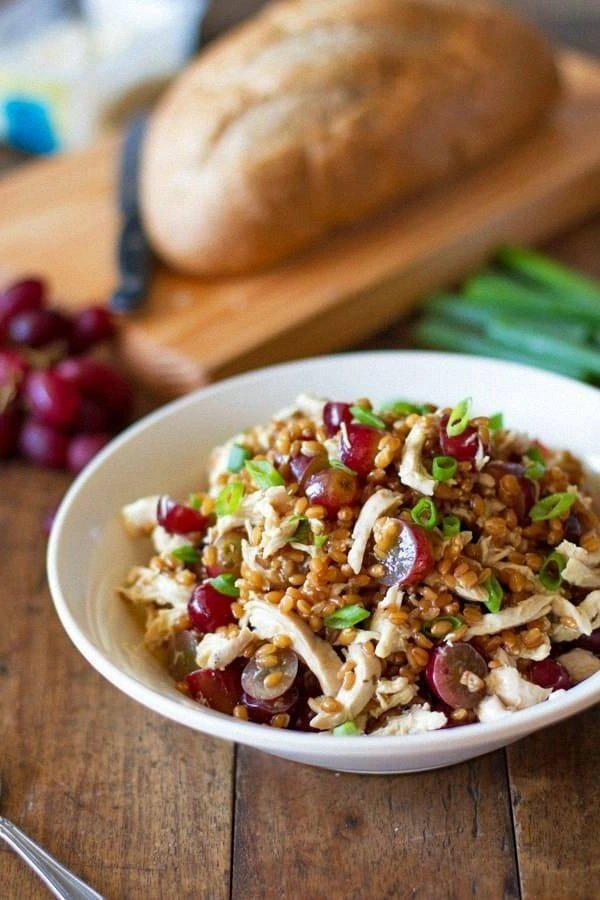
Now assemble the final salad: lay the dressed greens on a serving platter or individual plates, then spoon the honey‑glazed chicken mixture on top. Sprinkle the crumbled feta over everything, allowing its salty crystals to melt slightly into the warm chicken. The final look should be a vibrant mosaic of golden chicken, jewel‑like grapes, and emerald greens.
Kitchen Hack: Use a large spoon to gently fold the salad instead of a fork; this preserves the integrity of the grapes and prevents them from bursting.
That's it — you did it. But hold on, I've got a few more tricks that'll take this to another level...
Insider Tricks for Flawless Results
The Temperature Rule Nobody Follows
Most home cooks think “medium heat” is a safe default, but for this salad you need a hot pan to achieve that caramelized crust. Pre‑heat the skillet for at least two minutes before adding oil; the oil should shimmer, not smoke. If you’re using an electric stove, crank the dial a notch higher than you’d normally use for sautéing. This extra heat ensures the honey glaze doesn’t just sit on the surface—it bonds with the chicken.
Why Your Nose Knows Best
The moment the honey starts to caramelize, your kitchen will fill with a sweet, buttery aroma that’s unmistakable. If you notice a faint burnt smell, lower the heat immediately. Trusting your nose is faster than checking a thermometer, and it prevents that bitter aftertaste that can ruin the entire dish.
The 5‑Minute Rest That Changes Everything
After searing, let the chicken rest for exactly five minutes. This short pause lets the muscle fibers relax, locking in juices that would otherwise seep out when you cut into the meat. Skipping this step results in a drier bite that feels less luxurious—something I learned the hard way after a rushed lunch.
Walnut Toasting Without a Separate Pan
Instead of pulling out another skillet, use the same pan you just cooked the chicken in. The residual heat and lingering bits of caramelized honey give the walnuts an instant flavor boost. Just keep the nuts moving; they can go from perfectly toasted to burnt in thirty seconds.
Balancing Sweet and Acidic
Honey’s sweetness can dominate if you don’t balance it with acidity. A single tablespoon of lemon juice is enough to brighten the glaze without making it sour. If you prefer a milder tang, swap lemon for a splash of white wine vinegar; the result is a subtler lift that still cuts through the richness.
Creative Twists and Variations
This recipe is a playground. Here are some of my favorite ways to switch things up:
Spicy Sriracha Kick
Add a teaspoon of sriracha to the honey‑mustard glaze for a gentle heat that dances on the palate. The spice pairs beautifully with the sweet grapes, creating a sweet‑heat contrast that’s perfect for those who love a little fire.
Asian Fusion
Swap Dijon mustard for a teaspoon of toasted sesame paste, and replace the grapes with mandarin orange segments. Finish with a sprinkle of toasted sesame seeds and a drizzle of soy‑ginger dressing for an exotic twist that feels like a trip to a bustling night market.
Herbaceous Summer
Mix in a handful of fresh basil leaves and a drizzle of balsamic reduction. The herbaceous aroma of basil complements the honey, while the balsamic adds a deep, slightly sweet acidity that elevates the overall flavor profile.
Protein‑Packed
Replace chicken with grilled shrimp or tofu for a different protein source. Shrimp cooks in two minutes and absorbs the glaze beautifully, while firm tofu provides a plant‑based alternative that soaks up the honey‑mustard sauce.
Autumnal Version
Use roasted butternut squash cubes and dried cranberries instead of grapes, and sprinkle with toasted pumpkin seeds. The earthy sweetness of squash and the tartness of cranberries echo the original dish’s balance while giving it a cozy, fall‑time vibe.
Storing and Bringing It Back to Life
Fridge Storage
Place the salad components in separate airtight containers: chicken and walnuts together, grapes in their own container, and greens in a dry, sealed bag with a paper towel to absorb moisture. The dressing can be stored in a small jar. When ready to serve, combine everything and give a gentle toss. This method keeps the salad fresh for up to three days.
Freezer Friendly
The cooked chicken and walnuts freeze beautifully. Portion them into freezer‑safe bags, label with the date, and store for up to two months. Thaw overnight in the fridge, then re‑heat gently in a skillet with a splash of water to revive the glaze.
Best Reheating Method
To bring the chicken back to life, heat a non‑stick pan over medium heat, add a teaspoon of water, and slide the chicken pieces in. Cover for a minute to steam, then uncover and let the glaze re‑coat the meat. This technique restores the glossy finish without drying out the meat.