When the kitchen was a battlefield and I was the only one left standing after the last batch of garlic knots had turned into charcoal, I swore I would never again trust a sauce that tasted like a sad, soggy regret. I was craving something that could turn a simple pot of pasta into a headline act, something that would make the family gather around the table with their mouths open, eyes wide, and mouths ready to shout, “I dare you to taste this and not go back for seconds.”
Picture this: a pan on medium heat, the aroma of butter sizzling like a golden sunrise, the onion releasing its sweet, caramelized whispers, and the sound of garlic cloves cracking like tiny fireworks. The air fills with a promise of richness, a hint of peppery heat, and a whisper of vodka that lifts the flavor to new heights. That scent alone should have you reaching for the spoon before the first bite even arrives.
What makes this version stand out is that I didn’t settle for the usual “spicy vodka” cliché. I stripped away the fluff, added a touch of creamy velvet, and introduced a secret ingredient that turns the sauce into an edible hug. It’s a dish that balances heat and richness, with a finish that lingers like a sweet afterglow, making it the best version you’ll ever make at home. No fancy tricks, just pure, unapologetic flavor.
If you’ve ever struggled to get the sauce to cling to the pasta, or if you’re tired of sauces that taste like they’ve been sitting on the stove for an hour, this recipe is your rescue. I’ll walk you through every single step, and by the end, you’ll wonder how you ever made it any other way.
What Makes This Version Stand Out
- Heat: The red pepper flakes are toasted just enough to release a subtle smokiness, giving the dish a layered warmth that doesn’t overwhelm the palate.
- Richness: Heavy cream is added after the vodka has evaporated, creating a silky coating that feels like velvet on the tongue.
- Texture: The pasta water is reserved and added last, ensuring the sauce emulsifies perfectly and clings to each orecchiette with a glossy finish.
- Simplicity: With only twelve ingredients and a single pan, you can have dinner ready in less than 30 minutes.
- Ingredient Quality: Using fresh basil and grated parmesan elevates the dish from ordinary to extraordinary.
- Make‑ahead Potential: The sauce can be cooled and reheated without losing its silky texture, making it ideal for busy weeknights.
Alright, let’s break down exactly what goes into this masterpiece…
Inside the Ingredient List
The Flavor Base
At the heart of any great sauce is a flavor base that sings. The butter melts into a golden pool that instantly transforms the onion from raw to caramelized, releasing a sweet aroma that draws you in. The red onion, sliced thin, is the unsung hero that adds depth; if you skip it, the sauce will feel flat and lifeless. When you sauté it until it turns translucent, you’re building a foundation that will carry the heat of the red pepper flakes and the subtle bitterness of the tomato paste.
The Texture Crew
The heavy cream is the texture crew’s star performer. Adding it after the vodka has cooked off ensures it thickens the sauce into a luscious, glossy coat that drapes over the pasta like a silky blanket. If you add the cream too early, the sauce can split, ruining that dreamlike finish. The reserved pasta water, a simple trick, is the secret to emulsifying the sauce, preventing it from becoming too thick and allowing it to cling to each bite.
The Unexpected Star
Vodka might seem like a gimmick, but in this dish, it’s the unexpected star that lifts the tomato’s acidity and brings out its natural sweetness. The alcohol evaporates during cooking, leaving behind a subtle, almost invisible kick that enhances the overall flavor profile. If you’re hesitant to use vodka, you can replace it with a splash of white wine or even a dash of chicken broth for a milder version.
The Final Flourish
Fresh basil and grated parmesan are the final flourish that transforms the dish from good to unforgettable. The basil adds a bright, herbaceous note that cuts through the richness, while the parmesan provides a nutty, umami depth that rounds everything out. Skipping either of these would leave the sauce feeling incomplete, like a song missing its chorus.
Everything's prepped? Good. Let's get into the real action…
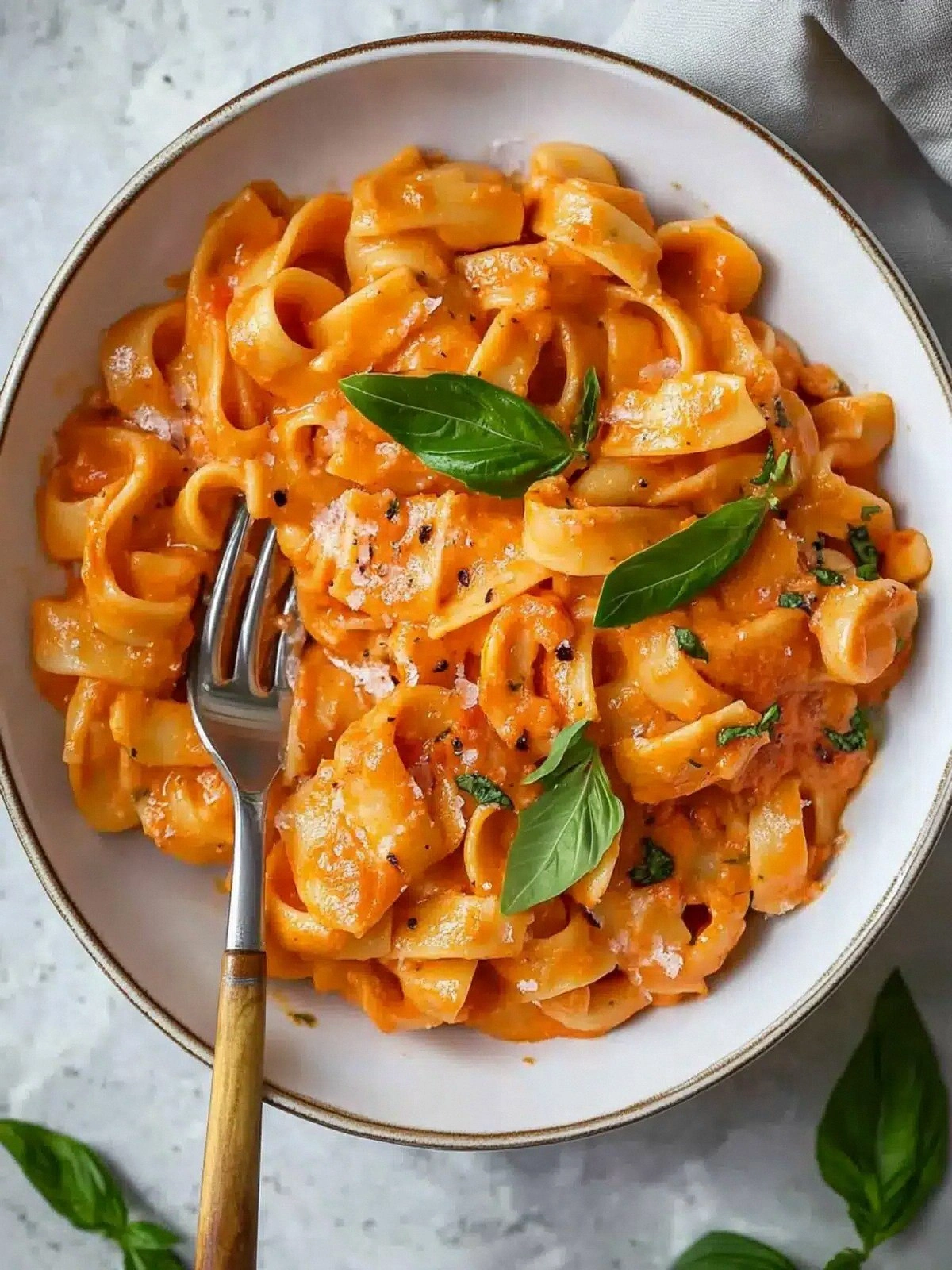
The Method — Step by Step
Fill a large pot with salted water and bring it to a rolling boil. Add the orecchiette and cook according to the package instructions until al dente, about 7–8 minutes. Reserve ½ cup of pasta water before draining; it will be the secret sauce binder.
While the pasta cooks, melt the butter in a large skillet over medium heat. Add the sliced red onion and a pinch of salt, and sauté until the onion is translucent and lightly caramelized, about 4–5 minutes. The key here is to avoid burning; you want that gentle, sweet aroma.
Introduce the minced garlic and red pepper flakes to the pan. Sauté for 30 seconds, just until the garlic releases its fragrance. Don’t let it brown—burnt garlic will taste bitter and ruin the balance.
Stir in the tomato paste, letting it cook for another minute to develop a richer, deeper flavor. The paste should darken slightly, indicating it’s ready.
Pour in the vodka and let it bubble for 1–2 minutes, allowing the alcohol to evaporate. This step is crucial; if you skip it, the sauce will taste raw and harsh.
Reduce the heat to low and slowly whisk in the heavy cream, stirring constantly. The sauce should thicken into a silky consistency. If it looks too thick, add a splash of reserved pasta water to reach the desired thickness.
Fold in the grated parmesan until it melts into the sauce, creating a smooth, glossy coating. The cheese adds a savory depth that balances the heat from the pepper flakes.
Return the drained pasta to the skillet, tossing it gently to coat each piece with the sauce. Add the reserved pasta water a tablespoon at a time until the sauce clings to the pasta without looking watery.
Finally, stir in the fresh basil leaves, letting them wilt slightly from the heat. Taste and season with salt and freshly ground pepper as needed.
Serve immediately, garnishing with a sprinkle of extra parmesan if desired. The dish should feel warm, creamy, and slightly spicy, with a finish that lingers on the palate.
That's it — you did it. But hold on, I've got a few more tricks that'll take this to another level…
Insider Tricks for Flawless Results
The Temperature Rule Nobody Follows
Many cooks keep the sauce on high heat, which can cause the cream to curdle. Keep it low and stir constantly. A gentle simmer preserves the silky texture and prevents separation.
Why Your Nose Knows Best
The aroma of the sautéed onions and garlic is a reliable indicator of readiness. When the onions emit a sweet, nutty scent, you’re ready to move on to the next step.
The 5-Minute Rest That Changes Everything
After tossing the pasta in the sauce, let it rest for 5 minutes off the heat. This allows the flavors to meld, and the sauce to thicken slightly, giving each bite a richer experience.
Cheese Matters
Use freshly grated parmesan for the best melt. Pre-grated cheese often contains additives that inhibit proper melting.
Keep It Fresh
Serve the dish immediately, but if you need to hold it, keep it in a covered container at room temperature for no more than 30 minutes. Reheat gently with a splash of pasta water to restore creaminess.
Creative Twists and Variations
This recipe is a playground. Here are some of my favorite ways to switch things up:
Seafood Splash
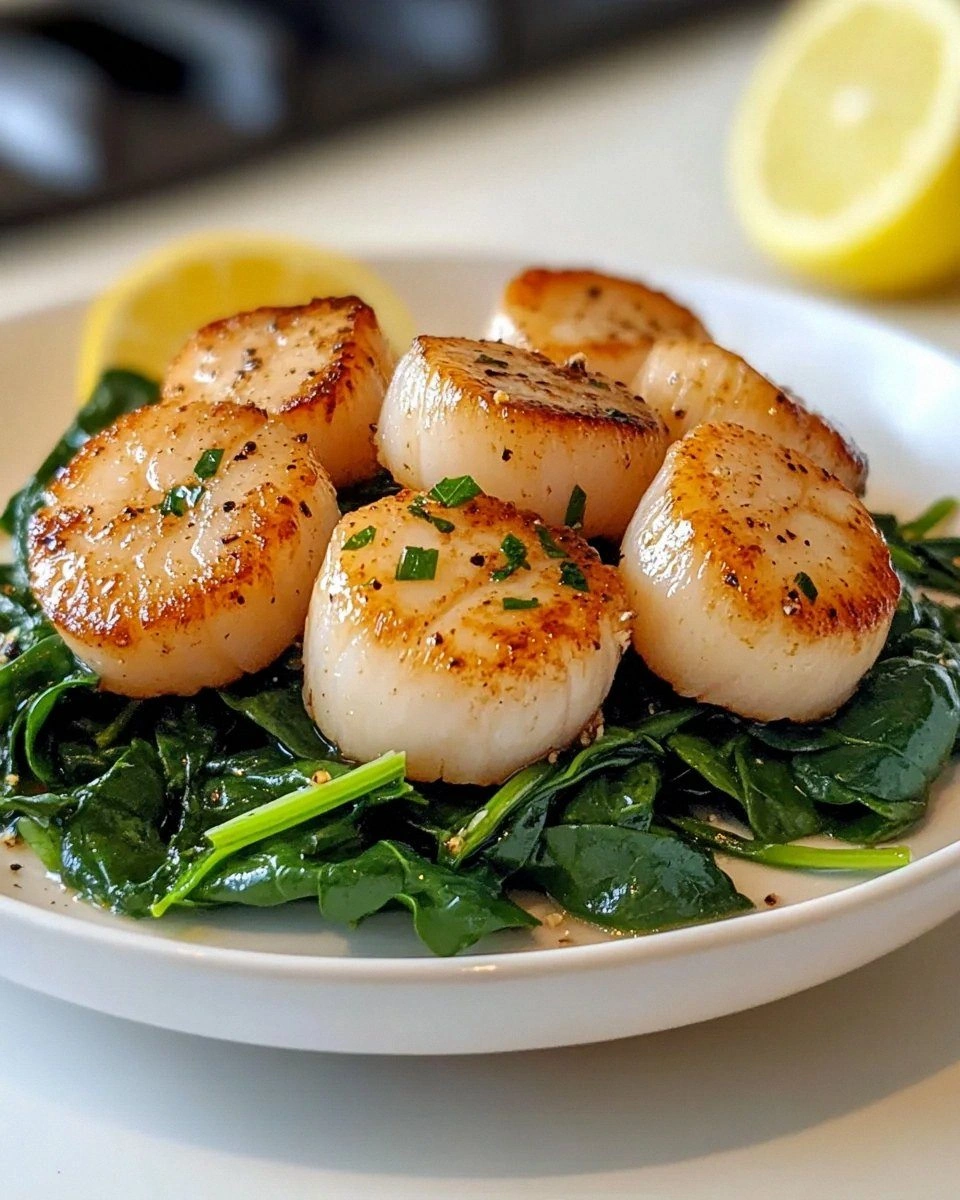
Add a handful of shrimp or scallops to the skillet during the last two minutes of cooking. The seafood will absorb the creamy sauce and bring a briny contrast that pairs beautifully with the heat.
Vegetarian Vibe
Replace the butter with olive oil and use a mix of sautéed mushrooms, zucchini, and spinach for a hearty, plant-based version.
Gluten-Free Edition
Swap the orecchiette for gluten-free pasta, such as rice or quinoa-based varieties, and you’ll have a dish that’s safe for celiac patients.
Cheese Swap
Use pecorino Romano instead of parmesan for a sharper, saltier finish that cuts through the richness.
Spice It Up
Increase the red pepper flakes or add a pinch of cayenne pepper for a hotter kick that will make your taste buds dance.
Herb Upgrade
Replace basil with fresh oregano or thyme for a different aromatic profile that still complements the creamy sauce.
Storing and Bringing It Back to Life
Fridge Storage
Store in an airtight container for up to 3 days. Keep the sauce separate from the pasta; combine only when ready to serve.
Freezer Friendly
Freeze the sauce in a freezer-safe container for up to 2 months. Thaw overnight in the fridge before reheating.
Best Reheating Method
Reheat gently on low heat, adding a splash of reserved pasta water or a little milk to restore creaminess. Avoid boiling, which can cause the sauce to split.