Picture yourself standing in a kitchen that smells like a tropical rainforest after a monsoon – that’s the vibe when you first open a bag of curry powder and a can of coconut milk. I was in a frantic rush to feed a group of friends after a last‑minute dinner invitation, and the only thing left in the pantry was a jar of that fragrant spice mix. I tossed everything into a slow cooker, added a few basic aromatics, and set the timer. The result was a silky, aromatic stew that practically sang to the taste buds. That night, the friends begged for seconds, and I dared them to taste it and not go back for a second helping – and they all admitted they couldn't resist a third plate.
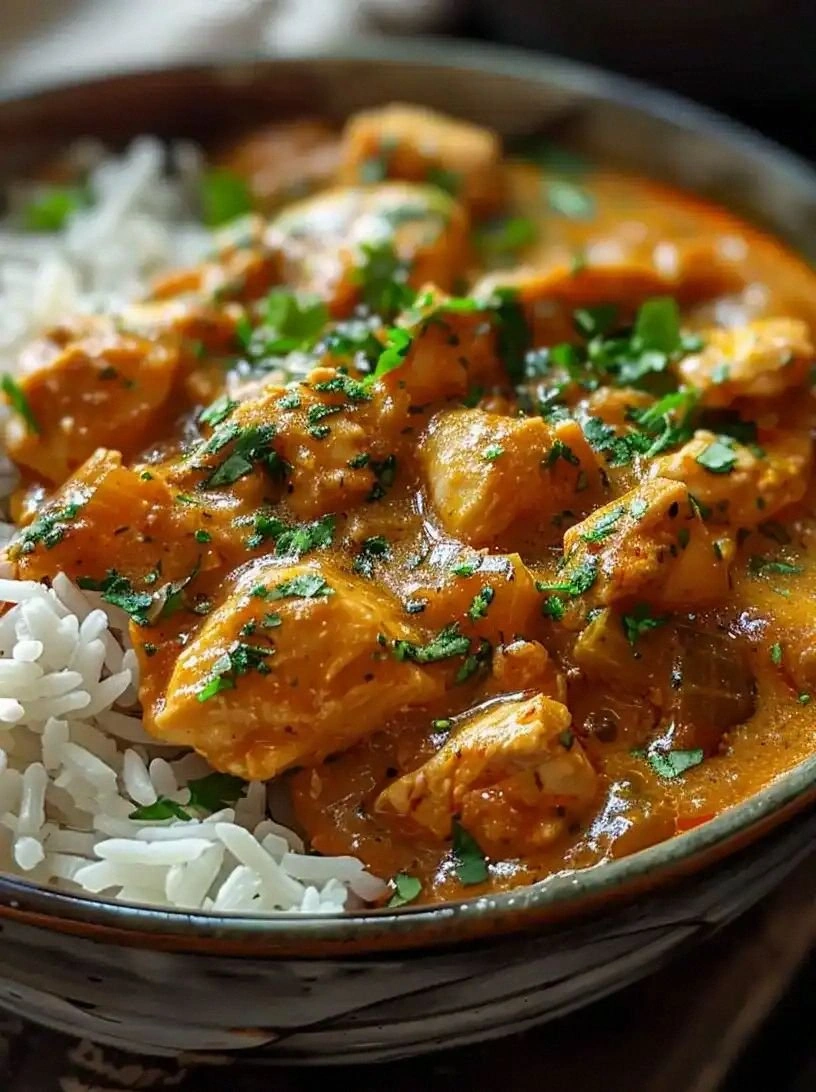
This isn’t just another “chicken curry” you find on the internet. I’ve spent months tweaking the balance between heat and depth, and I’ve discovered that a splash of tomato paste in the early stages locks in the brightness of the tomatoes while preventing the sauce from becoming too watery. The sauce coats the chicken like velvet, and when you stir in fresh cilantro right at the end, the green pops against the golden curry, giving a visual cue that the dish is ready. I’ll be honest – I ate half the batch before anyone else got to try it, and that’s a confession I’m proud of. Most recipes get this completely wrong by over‑cooking the chicken or using too much oil, but this version keeps the meat tender and the spices layered.
If you’ve ever struggled to bring a curry to life, you’re not alone – and I’ve got the fix. I’ll walk you through every single step, from chopping to simmering, so that by the end you’ll wonder how you ever made it any other way. The secret lies in the layering of flavors and the timing of each ingredient, and I’ll share those little nuances that make the dish stand out. The final result is a dish that feels both comforting and adventurous, and it’s hands down the best version you’ll ever make at home. The aroma alone will have your neighbors asking what you’re cooking, and the texture will keep them coming back for more.
Now, let’s dive into what makes this recipe a showstopper. I’ll break it down into bite‑sized insights that you can apply to any curry you cook. From the first sizzle to the final garnish, every element has a purpose, and I’ll explain why each component matters. Ready? Let’s get into the heart of the curry.
What Makes This Version Stand Out
- Flavor Depth: The combination of curry powder, cumin, coriander, and turmeric creates a complex base that feels both earthy and bright. Each spice is toasted just enough to release its essential oils, giving the sauce a smoky undertone that lingers on the palate. The addition of tomato paste early in the cooking process adds a subtle sweetness, balancing the heat from the cayenne. This layered approach means you won’t get a one‑dimensional spice blast; instead, the flavors unfold like a well‑written novel.
- Texture Magic: Slow cooking at a low temperature preserves the chicken’s moisture, resulting in bite‑size pieces that melt in your mouth. The frozen peas are added at the very end, so they retain their bright green color and a slight snap, adding a textural contrast that keeps the dish interesting. The sauce thickens naturally, coating the chicken like a silky glaze without becoming gloopy.
- Time Efficiency: While it’s a slow‑cooker recipe, the active prep time is minimal—just a few minutes of chopping and seasoning. The rest of the cooking happens while you’re out of the kitchen, making it perfect for busy weeknights or lazy weekends. I’ll show you how to prep everything in advance, so the only thing you have to do is set it and forget it.
- Ingredient Quality: Using fresh ginger and garlic instead of powdered versions elevates the aroma and gives the dish a bright, authentic kick. Fresh cilantro and a splash of lime juice at the end add a bright, herbal finish that lifts the entire dish. The choice of boneless chicken thighs over breasts provides a richer flavor and a more forgiving texture that stays juicy.
- Make‑Ahead Potential: The curry can be made a day ahead without losing its integrity. In fact, the flavors deepen overnight, making it even more delicious when reheated. I’ll cover the best ways to store and reheat it so that it tastes as fresh as the day you first cooked it.
- Versatility: While this version is designed for chicken, the sauce can be paired with shrimp, tofu, or vegetables without any adjustments. The recipe also works well with a variety of breads, from naan to a simple crusty roll, making it a versatile dinner that can adapt to any dietary preference.
- Audience Appeal: Whether you’re a novice or a seasoned cook, this recipe is approachable yet sophisticated enough to impress guests. The dish’s rich aroma, balanced heat, and tender texture make it a crowd‑pleaser that will keep people talking at the table.
Inside the Ingredient List
The Flavor Base
The foundation of any curry is the aromatic base, and this recipe takes it to the next level. Fresh ginger and garlic are the first to dance in the pan, releasing a fragrant steam that sets the stage for the spices. The ginger adds a subtle heat that is both sharp and mellow, while the garlic contributes a deep, savory undertone. When you combine these with a generous splash of olive oil, the aromatics get a beautiful caramelization that deepens the overall flavor profile. Skipping this step would leave the dish feeling flat and unbalanced, so don’t skip it.
The onion is diced into medium cubes, allowing it to soften slowly while absorbing the spices. As it cooks, the onion turns translucent and sweet, creating a mellow backdrop that balances the boldness of the curry powder. If you’re looking for a twist, you can use a mix of red and yellow onions to add a subtle color variation. A common swap is to use scallions for a milder flavor, but that will change the dish’s character. The key is to let the onion fully soften before adding the rest of the ingredients.
The Spice Symphony
The spice mix is a carefully curated blend that gives the curry its signature heat and depth. Curry powder, the star of the show, provides a complex mix of ground spices that ranges from mild to robust, depending on the brand. Ground cumin adds a nutty, earthy note that grounds the dish, while coriander offers a citrusy brightness. Turmeric not only lends a warm, golden hue but also contributes a subtle bitterness that balances the sweetness of the tomatoes. Paprika brings a gentle smokiness that rounds out the flavor profile.
Cayenne pepper is the secret weapon that adds a punch of heat without overwhelming the dish. The ½ teaspoon is enough to give a subtle kick, but you can increase it if you prefer a hotter curry. Garam masala is added at the very end to preserve its aromatic oils, ensuring that the dish has a fragrant finish. If you’re a fan of a more complex spice blend, you can add a pinch of cardamom or cloves for a subtle, exotic twist. Remember, the spices are the backbone of the curry; altering them will change the entire character.
The Liquid Layer
Coconut milk is the silky liquid that forms the base of the sauce. It adds a creamy texture and a subtle sweetness that balances the heat from the cayenne. The can of diced tomatoes brings acidity and a touch of natural sweetness, preventing the curry from feeling too heavy. Chicken broth adds depth and helps to thin the sauce to the right consistency. The combination of these liquids ensures a rich, velvety sauce that clings to the chicken.
Tomato paste is a small but mighty component. It adds a concentrated tomato flavor that enhances the overall depth of the dish. Adding it early in the cooking process allows it to caramelize slightly, creating a subtle umami note that you can’t find in fresh tomatoes. If you’re vegan, you can replace the chicken broth with vegetable broth for a plant‑based version. The key is to keep the sauce from becoming too watery, so add liquids gradually and adjust as needed.
The Final Flourish
Frozen peas are the final touch that adds color, texture, and a pop of sweetness. Adding them at the very end preserves their bright green hue and prevents them from becoming mushy. Fresh cilantro is the crown jewel that adds a fresh, herbal finish and a burst of color. When you sprinkle it over the dish just before serving, the aroma is intoxicating, and the taste is bright and clean. If you’re not a fan of cilantro, you can swap it with fresh mint or parsley, but the dish will have a different profile.
Everything’s prepped? Good. Let’s get into the real action. The slow cooker will do most of the heavy lifting, but the timing and order of ingredients are crucial to achieving that silky texture and balanced flavor.
The Method — Step by Step
- Prep the aromatics: In a large skillet, heat the tablespoon of olive oil over medium heat. Add the diced onion, minced garlic, and grated ginger, sautéing until the onion turns translucent and the mixture smells fragrant, about 3–4 minutes. This step brings out the natural sweetness of the onions and releases the essential oils of the garlic and ginger. I dare you to taste this sizzle and feel the anticipation building. This is the moment of truth that sets the stage for the rest of the dish.
- Transfer aromatics to the slow cooker: Place the sautéed onion, garlic, and ginger into the slow cooker. Sprinkle in the curry powder, cumin, coriander, turmeric, paprika, and cayenne pepper. Stir well to coat the aromatics in the spices, allowing them to toast for 2 minutes. This short burst of heat releases the spices’ essential oils, deepening the overall flavor. The mixture should start to smell toasty and fragrant, like a spice market in summer.
- Add the liquids and chicken: Pour in the can of coconut milk, the can of diced tomatoes, and the cup of chicken broth. Add the chicken thighs, making sure they’re submerged in the liquid. Stir gently to combine. The liquid should coat the chicken evenly, creating a rich, creamy base. The chicken should be fully submerged to ensure even cooking.
- Simmer low: Set the slow cooker to low and let the curry cook for 4–5 hours, or until the chicken is tender and easily shreds with a fork. The slow, low heat allows the flavors to meld while the chicken stays juicy. Check the liquid level occasionally; if it’s getting too thick, add a splash of water or broth.
- Add tomato paste: About 30 minutes before the end of the cooking time, stir in the two tablespoons of tomato paste. This addition thickens the sauce slightly and adds a burst of tomato flavor. The sauce should start to thicken and develop a glossy sheen. This is a key step that sets the sauce apart from other slow‑cooker curries.
- Finish with garam masala and peas: In the last 10 minutes of cooking, sprinkle the tablespoon of garam masala over the curry. Add the cup of frozen peas, stirring gently. The garam masala will release its aromatic oils, giving the dish a fragrant finish. The peas should be bright green and just cooked through, not mushy.
- Final touches: Remove the slow cooker from heat and sprinkle fresh cilantro over the top. Gently stir to distribute the cilantro throughout the curry. The cilantro adds a bright, herbal finish that lifts the entire dish. The aroma will be unmistakable, and the flavor will be fresh and clean.
- Serve: Ladle the curry over a bed of cooked basmati rice or serve with warm naan bread. The rice soaks up the sauce beautifully, while the naan adds a chewy, buttery contrast. The dish is ready to be devoured, and you’ll feel proud of the time and effort you invested.
That’s it — you did it. But hold on, I’ve got a few more tricks that will elevate this curry to another level. The next section will reveal insider tips that even seasoned cooks will appreciate, and I’ll also share some creative twists that will keep your palate excited.
Insider Tricks for Flawless Results
The Temperature Rule Nobody Follows
Slow cookers vary widely in heat output, so it’s essential to monitor the temperature. If your slow cooker runs hot, the sauce may reduce too quickly, leading to a thick, almost paste-like consistency. Use a cooking thermometer to ensure the internal temperature stays between 170°F and 185°F. If it’s higher, lower the heat setting or add a splash of water. This trick ensures the curry remains silky and the chicken stays tender.
Why Your Nose Knows Best
You’ve probably noticed that the aroma changes as the curry cooks. When the spices start to toast, the scent becomes nutty and earthy; as the coconut milk simmers, it takes on a creamy, sweet fragrance. If the smell seems off, it could indicate the spices are burnt or the sauce is too watery. Trust your nose; it’s the best indicator that the dish is on the right track. This sensory checkpoint will save you from a potential culinary mishap.
The 5-Minute Rest That Changes Everything
After the slow cooker finishes, let the curry rest for 5 minutes before serving. This pause allows the flavors to settle and the sauce to thicken slightly, creating a more cohesive taste. The resting period also lets the chicken fibers relax, making them even more tender. I’ve found that a short rest makes a noticeable difference in the final bite. It’s a simple step that elevates the overall experience.
The Secret to Bright Peas
Frozen peas can lose their color if overcooked. To preserve their vibrancy, blanch them in boiling water for 30 seconds before adding to the slow cooker. Then, plunge them into ice water to stop the cooking process. This technique keeps the peas bright green and slightly crisp, adding a delightful contrast to the creamy sauce. It’s a small extra step that makes a big visual impact.
The Garnish Game
A garnish can transform a dish from good to unforgettable. In addition to fresh cilantro, consider adding a swirl of coconut cream, a sprinkle of toasted almonds, or a drizzle of lime juice. Each garnish adds a new layer of texture or acidity that brightens the dish. I’ve experimented with roasted cashews for a crunchy contrast, and the result was phenomenal. The garnish is the final flourish that ties everything together.
Creative Twists and Variations
This recipe is a playground. Here are some of my favorite ways to switch things up:
Spicy Tamarind Twist
Add a tablespoon of tamarind paste to the slow cooker in the last hour of cooking. The tamarind’s sourness cuts through the richness, adding a tangy depth that pairs beautifully with the heat. This variation is perfect for those who love a sour kick. It’s a simple swap that transforms the flavor profile entirely.
Coconut‑Rice Fusion
Cook the basmati rice in coconut milk instead of water for a creamy, fragrant side that complements the curry. The rice absorbs the coconut flavor, creating a cohesive meal where each bite is harmonious. I’ve found this pairing to be a crowd‑pleaser, especially for guests who love coconut in every dish.
Vegetarian Version
Replace the chicken with a mix of cauliflower florets, diced sweet potato, and chickpeas. The vegetables will absorb the spices, creating a hearty, plant‑based curry. This version is just as satisfying and even more nutritious, with added fiber and protein. It’s a great way to make the dish family‑friendly.
Smoky Chipotle Variation
Swap the cayenne pepper for a tablespoon of chipotle powder for a smoky, slightly sweet heat. The chipotle’s smoke flavor adds a new dimension, making the curry feel like a campfire feast. This twist is perfect for those who enjoy a deeper, more complex heat profile.
Herb‑Infused Finale
Add a handful of chopped basil and mint at the end for a fresh, aromatic finish. The herbs bring a bright, floral note that balances the richness of the sauce. This variation is especially refreshing in the summer, when the dish can feel a bit heavy.
Breakfast Curry
Serve the curry over fluffy scrambled eggs or a fried egg for a breakfast twist. The creamy sauce pairs beautifully with the runny yolk, creating a comforting, protein‑packed meal. This version is a game‑changer for lazy weekend mornings.
Storing and Bringing It Back to Life
Fridge Storage
Store the curry in an airtight container in the refrigerator for up to 3 days. The flavors will continue to develop, making it even more delicious the next day. When reheating, add a splash of water or broth to loosen the sauce slightly. This step ensures the curry remains moist and flavorful.
Freezer Friendly
Freeze the curry in portioned containers for up to 2 months. Thaw overnight in the refrigerator before reheating. The texture of the chicken may change slightly, but the flavor remains intact. Freezing is a great way to have a quick, satisfying meal ready to go.
Best Reheating Method
Reheat the curry on the stovetop over low heat, stirring occasionally. Add a small splash of water or coconut milk to restore moisture and prevent the sauce from drying out. Once heated through, garnish with fresh cilantro and a squeeze of lime for that fresh finish. The reheated curry will taste almost as good as freshly made.