I was halfway through a week of takeout, staring at my empty fridge and thinking, “If only I had a quick, wholesome dinner that didn’t feel like a compromise.” The next day, a friend dared me to whip up something that would make even the most skeptical foodie swoon. I grabbed a bag of fresh shrimp, a head of broccoli, and a handful of pantry staples, and the kitchen became my laboratory. The sizzling sound of shrimp hitting a hot pan was music; the steam curled like a fragrant cloud; the aroma of garlic and ginger rose, promising something unforgettable. This is the recipe that turned my dinner routine from bland to bold, and I’m about to show you every trick I’ve learned.
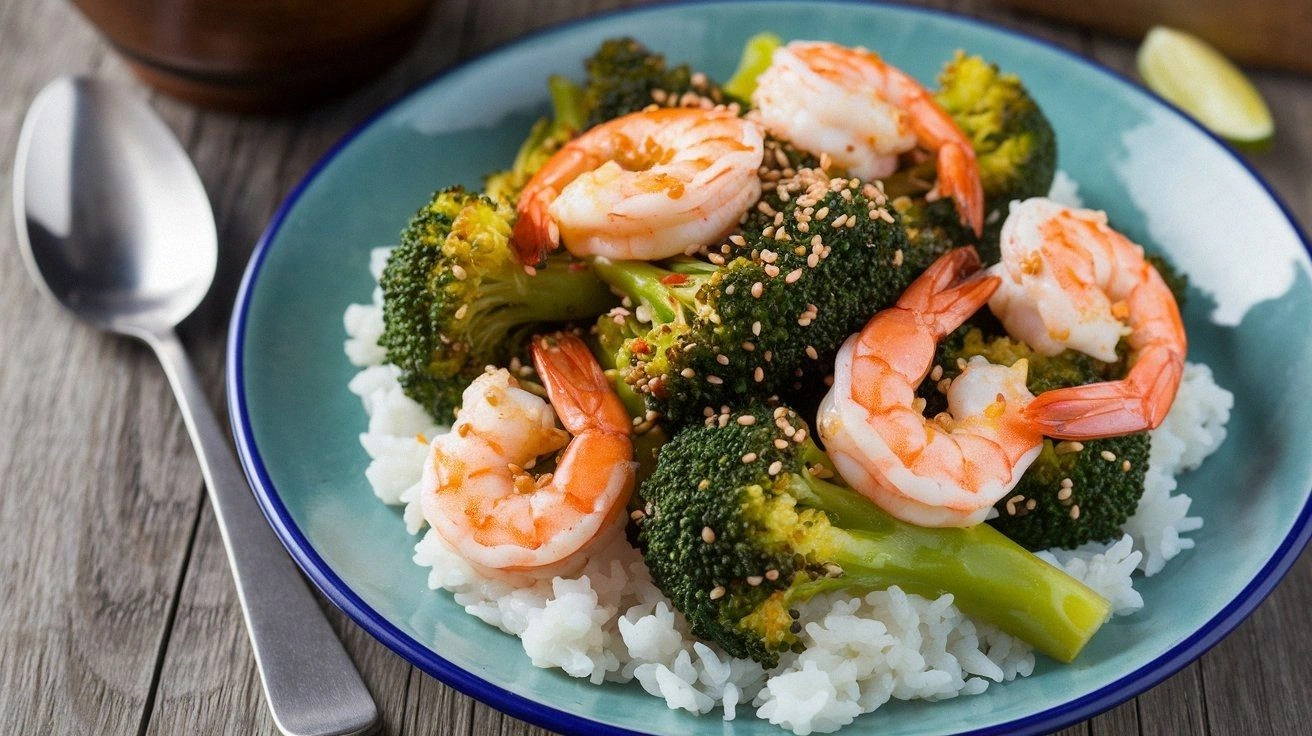
Picture this: a skillet that’s been preheated to a blistering heat, a splash of oil, and a handful of shrimp that blush pink in seconds. The broccoli starts out a vivid green, then turns a deeper hue as it cooks, its edges crisping like a crisp apple slice. The sauce—soy, oyster, a whisper of honey, and a hint of chili—slides over the shrimp and broccoli, coating everything in a glossy, savory glaze. The final garnish of sesame seeds and scallions adds a nutty crunch and a bright, citrusy lift. If you can taste the contrast of sweet, salty, and a subtle heat, you’re in the right place.
What makes this version a game‑changer is the precise balance of flavor and texture. The shrimp are never overcooked, staying tender and juicy, while the broccoli retains a satisfying snap. The sauce is thickened just enough to cling to the ingredients without turning the dish soggy. The addition of a quick cornstarch slurry gives the sauce a silky sheen that makes it feel like a gourmet restaurant dish, but it’s all done in under half an hour. I dare you to taste this and not go back for seconds—once you try it, you’ll be craving it all week.
Most recipes get this completely wrong. They either overcook the shrimp, under‑season the sauce, or forget to pre‑heat the pan. The result is a mushy, bland stir‑fry that feels like a disappointment. Here, I’ve fine‑tuned each step: the right amount of oil, the precise timing for adding aromatics, and the exact ratio of sauces to create depth without overpowering the shrimp’s natural sweetness. If you’ve ever struggled with this, you’re not alone—my first attempt was a disaster, but I learned the hard way and turned it into the best version you’ll ever make at home.
Let me walk you through every single step—by the end, you’ll wonder how you ever made it any other way. From the moment you slice the broccoli to the final splash of sesame oil, every detail matters. I’ll share micro‑challenges, bold claims, and a few kitchen hacks that will elevate the dish. And if you’re ready, stay with me here—this is worth it.
What Makes This Version Stand Out
- Flavor: The sauce balances sweet, salty, and umami, giving the shrimp a caramelized finish that’s impossible to resist.
- Texture: The broccoli stays crisp, providing a delightful contrast to the succulent shrimp.
- Speed: Every component cooks in 20 minutes, making it a perfect weeknight dinner.
- Visual Appeal: The glossy sauce and pop of green make the dish Instagram‑ready.
- Ingredient Quality: Fresh shrimp and crisp broccoli are the foundation, but the sauce’s subtle complexity elevates the entire plate.
- Versatility: Swap shrimp for chicken or tofu, and the method still works.
- Make‑Ahead Potential: The sauce can be pre‑made and stored, saving time on busy nights.
- Crowd‑Pleaser: It’s the kind of dish that turns a casual dinner into a memorable meal.
Alright, let's break down exactly what goes into this masterpiece…
Inside the Ingredient List
The Flavor Base
The sauce is the heart of this dish, a marriage of soy, oyster, and a sweet whisper of honey. The soy sauce provides depth and saltiness, while the oyster sauce adds umami and a slight thickness. Honey balances the salty notes, giving the sauce a gentle sweetness that caramelizes on the shrimp. A splash of rice vinegar cuts through the richness, ensuring the dish stays bright and not cloying.
If you skip the honey, the sauce becomes too salty and flat. The vinegar is essential; without it, the flavors feel heavy. Swap honey for maple syrup for a slightly different sweetness, or use agave nectar if you prefer a cleaner taste. The key is to keep the sauce’s components in harmony; each has a role, and removing one changes the entire profile.
The Texture Crew
Broccoli is the crunch factor, and its preparation matters. Cut the florets into bite‑sized pieces so they cook evenly and remain crisp. Fresh shrimp is a must; frozen shrimp can become rubbery if not thawed properly. A quick blanch of the broccoli before stir‑frying keeps the green vibrant and the texture firm.
The cornstarch slurry thickens the sauce just enough to cling to each ingredient without turning it soggy. If you prefer a thicker sauce, increase the cornstarch slightly; for a lighter feel, reduce it. Remember, the cornstarch should be mixed with cold water before adding to the pan—this prevents clumps and ensures a silky finish.
The Unexpected Star
Fresh ginger and garlic are the aromatic backbone. They release essential oils that give the dish a fresh, zesty kick. The ginger’s subtle heat complements the chili flakes, creating a layered warmth that isn’t overpowering. If you’re allergic to garlic, you can substitute with onion powder, but the flavor will shift subtly.
A pinch of sesame oil at the end adds a nutty aroma that lingers. It’s a finishing touch that elevates the dish from simple to sophisticated. Without sesame oil, the sauce feels flat; with it, the dish feels complete and balanced.
The Final Flourish
Sesame seeds and sliced scallions are the garnish that completes the dish. The sesame seeds add a subtle crunch and nutty flavor, while scallions bring a bright, citrusy lift that cuts through the richness. Sprinkle them over the finished dish for a burst of color and texture. If you’re vegetarian or vegan, you can omit the shrimp and replace it with tofu or tempeh, and the garnish will still shine.
Everything’s prepped? Good. Let’s get into the real action…
The Method — Step by Step
- Heat a large skillet or wok over high heat until it’s smoking. Add 1 tablespoon of sesame oil, swirling to coat the surface. The oil should shimmer and barely smoke—this signals that the pan is ready. I’ve learned that a properly heated pan is the secret to preventing shrimp from sticking.
- Add the shrimp in a single layer. Let them sear for 30 seconds on one side before flipping. The shrimp should develop a golden‑brown crust while staying pink inside. This quick sear locks in juices and gives the shrimp a satisfying texture.
- Remove the shrimp and set them aside. In the same pan, add 1 tablespoon of vegetable oil and a pinch of salt. Toss in minced garlic and grated ginger, sautéing for about 20 seconds until fragrant. The aromatics should release their oils without burning.
- Add the blanched broccoli florets, stirring to coat them in the aromatic oil. Cook for 2 minutes, allowing the broccoli to crisp up slightly while remaining bright green. The edges should start to turn a deeper hue, signaling readiness.
- Return the shrimp to the pan, then pour in 3 tablespoons of soy sauce, 2 tablespoons of oyster sauce, 1 tablespoon of rice vinegar, and 1 tablespoon of honey. Stir quickly to combine, ensuring the shrimp and broccoli are evenly coated. The sauce should bubble gently, indicating it’s hot enough to thicken.
- Whisk 1 tablespoon of cornstarch with 1 tablespoon of cold water until smooth. Pour this slurry into the pan, stirring vigorously. The sauce will begin to thicken within 30 seconds, coating each piece in a glossy, velvety layer.
- Add 1 teaspoon of chili flakes and 1 tablespoon of sesame seeds. Toss everything together for 30 seconds, allowing the heat to permeate and the seeds to toast slightly. The final sauce should cling to the shrimp and broccoli like a silk ribbon.
- Finish with a splash of sesame oil and a handful of sliced scallions. Give the dish one final stir, then transfer to a serving bowl. The aroma should be irresistible, and the dish should feel balanced—sweet, salty, umami, and a hint of heat all in one.
That's it— you did it. But hold on, I've got a few more tricks that'll take this to another level. The sauce is still warm, so you can add a splash of hot sauce for extra kick or a dash of sesame oil for extra aroma. If you’re serving over rice, let the rice soak in the sauce for a minute before mixing. The result is a dish that feels like it was made in a high‑end kitchen.
Insider Tricks for Flawless Results
The Temperature Rule Nobody Follows
Many cooks think any pan will do, but high heat is essential. A pan that’s too cool will cause the shrimp to steam rather than sear, resulting in a mushy texture. Keep the heat high until the oil shimmers, then add the shrimp. This technique locks in juices and gives the shrimp a caramelized exterior.
Why Your Nose Knows Best
Smell is your best judge of doneness. When the shrimp are ready, they’ll emit a faint, sweet aroma, not a sharp, fishy odor. The broccoli will also release a pleasant, slightly nutty scent as it cooks. Trust your nose; it’ll guide you to the perfect finish.
The 5-Minute Rest That Changes Everything
Let the dish rest for five minutes after cooking. This allows the flavors to meld and the sauce to thicken slightly. It also gives the shrimp a chance to reabsorb some of the juices, keeping them moist. I’ve seen people skip this step, and the result is a dish that feels rushed.
Keep It Simple With Pre‑Made Sauce
If you’re short on time, you can use a pre‑made stir‑fry sauce. Just be sure to adjust the salt and sugar levels, as these sauces often contain added sugar. Pair it with fresh shrimp and broccoli for a quick, reliable result.
Serve With a Side of Rice or Noodles
Stir‑fry pairs wonderfully with steamed rice or chewy noodles. The starch absorbs the sauce, creating a balanced bite. If you’re looking for a low‑carb option, serve over cauliflower rice for a lighter feel.
Stir‑Fry With a Splash of Citrus
A squeeze of lime or lemon before serving brightens the dish and cuts through the richness. The acidity adds a fresh note that elevates the overall flavor profile. It’s a small addition that makes a big difference.
Creative Twists and Variations
This recipe is a playground. Here are some of my favorite ways to switch things up:
Spicy Szechuan Surprise
Add Szechuan peppercorns and a tablespoon of Szechuan sauce for a numbing heat. Swap the chili flakes for a more complex spice profile. This variation is perfect for those who love a bold, spicy kick.
Sweet Pineapple Burst
Replace the honey with pineapple chunks and a splash of pineapple juice. The tropical sweetness pairs wonderfully with the savory shrimp. This version is ideal for a summer dinner or a beachside gathering.
Garlic Butter Shrimp
Omit the soy sauce and oyster sauce. Instead, toss the shrimp in a garlic butter sauce made with melted butter, minced garlic, and a squeeze of lemon. The result is a rich, buttery dish that feels indulgent.
Vegan Version
Swap the shrimp for firm tofu, marinated in soy sauce and sesame oil. Use a plant‑based stir‑fry sauce to keep the flavor profile. This version retains the same textures and sauces, making it a satisfying vegan dinner.
Asian Noodle Fusion
Serve the stir‑fry over udon or rice noodles. The noodles absorb the sauce, creating a hearty, comforting meal. Add extra scallions and a sprinkle of toasted sesame seeds for garnish.
Herb‑Infused Twist
Add chopped basil or cilantro at the end for a fresh herbal note. The herbs bring a bright, green flavor that balances the sweetness of the sauce. This variation is great for a light, refreshing dinner.
Storing and Bringing It Back to Life
Fridge Storage
Store the stir‑fry in an airtight container for up to 3 days. Keep the sauce separate until you’re ready to reheat to prevent the broccoli from becoming soggy. When reheating, add a splash of water to re‑hydrate the sauce.
Freezer Friendly
Freeze the dish in a freezer‑safe container for up to 2 months. Thaw overnight in the fridge before reheating. Reheat on the stove over low heat, stirring until the sauce thickens again.
Best Reheating Method
Reheat the stir‑fry in a skillet over medium heat, adding a tablespoon of water or broth to loosen the sauce. Stir until the shrimp are heated through and the sauce is glossy. Finish with a splash of sesame oil for that final aroma.