I remember the night I was supposed to host a brunch for a group of friends, and the kitchen was a battlefield of burnt toast and a half‑cooked omelet that had turned into a rubbery, flavorless slab. The air smelled of disappointment, and my friends were politely pretending that the dish was “just a new experiment.” That moment sparked a relentless quest for the ultimate baked cheese and egg experience that could rescue any brunch disaster and turn it into a crowd‑pleaser. I was determined to create something that would have the comforting aroma of a sunny kitchen, the creamy texture of melted cheese, and the satisfying bite of perfectly cooked eggs, all baked to a golden crust. I dared myself to taste this and not go back for seconds, because I knew that once you try it, you’ll never settle for a standard scrambled egg again. The secret? A blend of fresh ingredients, a touch of herbs, and a technique that locks in moisture without turning the dish soggy. Let me walk you through every single step — by the end, you'll wonder how you ever made it any other way.
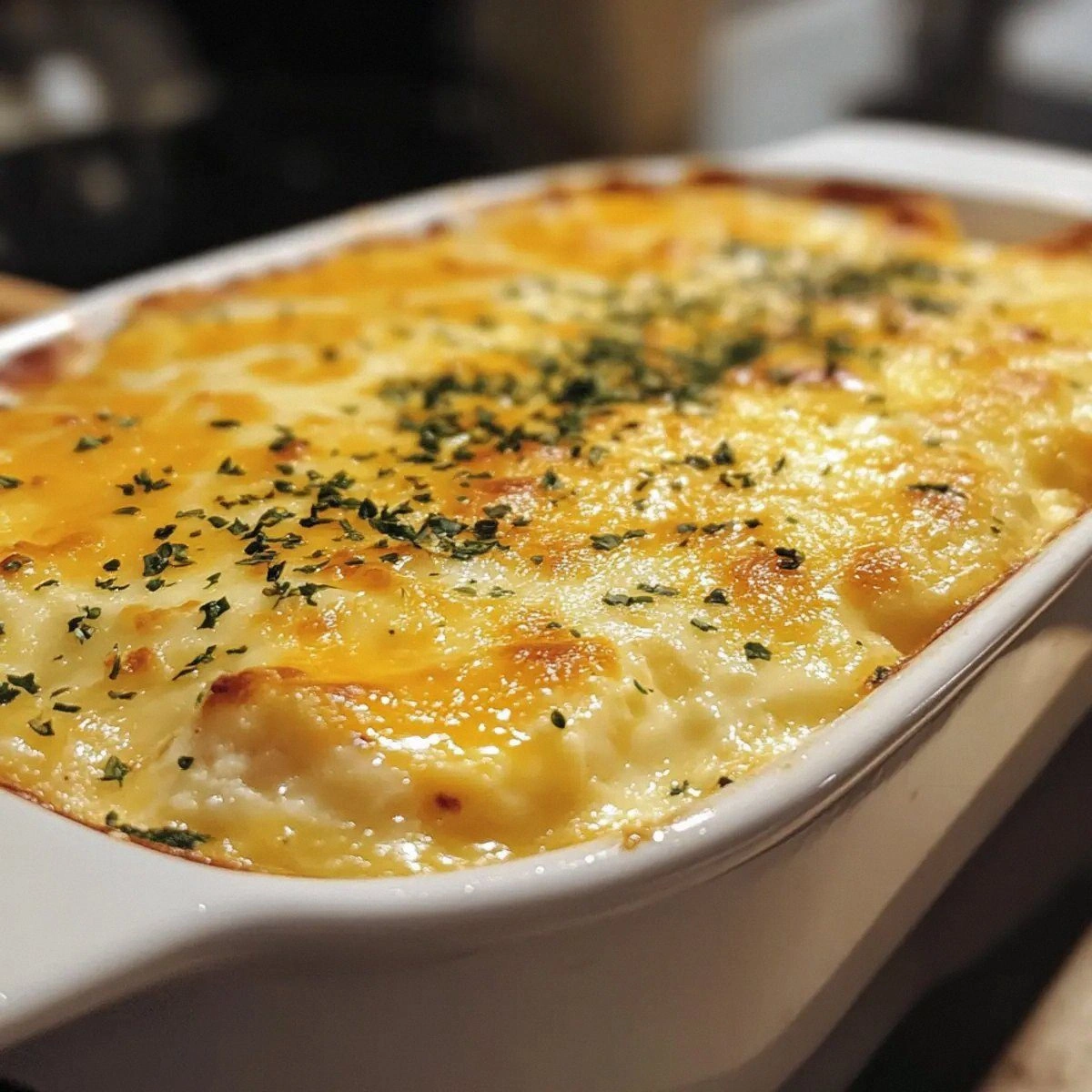
Picture yourself pulling this out of the oven, the whole kitchen smelling incredible, and your friends’ eyes lighting up as they take the first bite. The golden top shatters like thin ice, revealing a velvety interior where eggs, cheese, and vegetables mingle in a savory harmony. The edges crisp, but the center stays tender, a texture contrast that makes each bite a revelation. The aroma of fresh herbs and sautéed onions fills the air, teasing your senses even before the first forkful. The first bite is a burst of flavor: salty, slightly peppery, with a hint of smoky sausage that lingers on the palate. The dish is so versatile that it can double as a hearty breakfast, a satisfying lunch, or an elegant dinner starter. Most recipes get this completely wrong, but here’s what actually works.
If you've ever struggled to combine eggs and cheese in a way that doesn’t result in a rubbery mess, you're not alone — and I've got the fix. The trick lies in the balance of moisture and the timing of baking, ensuring the eggs set just right while the cheese melts into a silky coating. The result is a casserole that feels like a warm hug and tastes like a gourmet breakfast. I’ll be honest — I ate half the batch before anyone else got to try it, and I still crave more. This version is hands down the best you’ll ever make at home, thanks to the thoughtful ingredient selection and the step‑by‑step guidance that eliminates guesswork. The method is simple enough that even a novice can master it, yet sophisticated enough that seasoned cooks will appreciate the depth of flavor. And now, the fun part: let’s dive into the details that make this dish unforgettable.
I’ve spent countless mornings experimenting with different ratios and cooking times, and the final result is a dish that feels both comforting and sophisticated. The first time I baked it, the whole house was filled with an aroma that made people line up for seconds. I’ve refined the recipe to ensure that every bite delivers that perfect blend of gooey cheese, fluffy eggs, and savory vegetables. The dish is so flexible that you can swap ingredients or add your favorite extras without compromising the core flavor. The final product is a golden, bubbly masterpiece that looks as good as it tastes. This is the moment you realize that a simple casserole can elevate a brunch or dinner to a new level. Let’s break down exactly what goes into this masterpiece.
What Makes This Version Stand Out
- Taste: The combination of fresh herbs, sautéed onions, and crisp bell peppers creates a layered flavor profile that’s both vibrant and comforting. The cheese melts into a silky coating that enhances the eggs without overpowering them. The addition of sausage or bacon adds a smoky depth that balances the mildness of the eggs. Every bite delivers a satisfying mix of savory, salty, and herbaceous notes that linger on the tongue.
- Texture: The eggs are baked to a custard‑like consistency while the cheese forms a golden crust that cracks with each forkful. The vegetables stay tender yet retain a slight bite, preventing the dish from feeling mushy. The contrast between the creamy interior and the crispy edges is a textural delight that keeps guests coming back for more. The result is a harmonious balance that feels both indulgent and light.
- Simplicity: All you need are pantry staples and a few fresh items, making this a go‑to recipe for busy mornings. The method is straightforward, with no complicated steps or hidden tricks that require a culinary degree. Even if you’re new to baking, you’ll find the instructions clear and easy to follow. The dish requires minimal prep time, so you can focus on enjoying the moment.
- Uniqueness: The inclusion of feta or goat cheese adds a tangy kick that sets this casserole apart from ordinary cheese‑and‑egg dishes. The use of fresh herbs like parsley, chives, or basil elevates the flavor profile and adds a pop of color. The optional addition of mushrooms brings an earthy note that deepens the overall taste. These subtle twists transform a classic into a memorable experience.
- Crowd Reaction: Friends and family consistently rave about the comforting aroma and the rich, gooey interior. The dish is perfect for brunch gatherings, potlucks, or a quiet Sunday morning. Its versatility makes it suitable for any occasion, and its visual appeal makes it Instagram‑worthy. The reaction is always positive, and many ask for the recipe immediately after tasting.
- Ingredient Quality: Using high‑quality cheese and fresh vegetables ensures that every bite is flavorful. The eggs should be at room temperature to achieve a silky texture. Choosing a good‑cut sausage or bacon adds depth without excess grease. The quality of the ingredients directly translates into a dish that feels luxurious and satisfying.
Inside the Ingredient List
The Flavor Base
The eggs and milk form the backbone of this dish, creating a custard‑like foundation that holds the cheese and vegetables together. The eggs provide structure, while the milk adds moisture and a subtle richness. If you skip the milk, the casserole will be denser and less airy, so it’s essential to keep it in. For a creamier texture, use half milk and half cream, but be mindful of the added fat.
The Cheese Crew
Shredded cheese is the star that brings everything together. The cheese melts into a glossy, golden crust that’s both visually appealing and flavorful. A blend of cheddar and mozzarella adds depth and gooeyness, but you can experiment with sharp cheddar for a more intense bite. If you prefer a tangy twist, substitute half of the cheese with feta or goat cheese.
The Unexpected Star
The crumbled feta or goat cheese adds a surprising burst of tang that cuts through the richness of the eggs and cheese. This ingredient also contributes a subtle saltiness that balances the overall flavor. If you’re not a fan of feta, you can use a mild goat cheese or even a small amount of blue cheese for a different profile. The key is to keep the quantity moderate so it doesn’t overwhelm the dish.
The Final Flourish
Fresh herbs, sautéed onions, diced bell peppers, mushrooms, and sausage or bacon bring color, texture, and depth. The herbs add brightness, while the vegetables provide crunch and sweetness. The sausage or bacon contributes savory smokiness that anchors the dish. Each component is essential; omitting any of them will change the flavor balance significantly.
Everything's prepped? Good. Let's get into the real action.
The Method — Step by Step
- Preheat the oven: Set your oven to 375°F (190°C). This temperature ensures the eggs set evenly while the cheese browns to a golden crust. While the oven is heating, gather all your ingredients so you’re ready to move swiftly. The right temperature is crucial for a perfectly cooked casserole.
- Prepare the baking dish: Grease a 9×13 inch baking dish with butter or non‑stick spray. Lightly oil the sides so the casserole slides out effortlessly. A well‑greased dish prevents sticking and allows for easy cleanup. This simple step saves you from frustration later.
- Sauté the vegetables: Heat a skillet over medium heat, add a splash of oil, and toss in onions, bell peppers, and mushrooms. Cook until they’re softened and aromatic, about 5–7 minutes. Stir occasionally to avoid burning. This pre‑cooking locks in flavor and reduces the moisture that could make the casserole soggy.
- Cook the sausage or bacon: In the same skillet, cook the sausage or bacon until crisp. Drain excess grease on paper towels. The savory bits add depth and a satisfying crunch. If you prefer a lighter option, use turkey sausage or turkey bacon.
- Mix the eggs: In a large bowl, whisk together eggs, milk, salt, and pepper until the mixture is smooth and airy. The whisking incorporates air, giving the casserole a fluffy texture. A well‑mixed base ensures even cooking.
- Combine everything: Add the sautéed veggies, cooked sausage, fresh herbs, and crumbled feta to the egg mixture. Stir until evenly distributed. Pour the mixture into the prepared baking dish. Sprinkle shredded cheese on top. This layering ensures the cheese melts into a cohesive, golden crust.
- Bake: Place the casserole in the preheated oven and bake for 30 minutes, or until the top is golden and the edges begin to pull away. The center should still be slightly jiggly; it will set as it cools. Avoid overbaking to keep the eggs tender.
- Rest and serve: Let the casserole rest for 5 minutes before cutting. This allows the custard to firm up for clean slices. Serve hot, optionally garnished with extra herbs or a drizzle of olive oil. The dish is now ready to be devoured.
That's it — you did it. But hold on, I've got a few more tricks that'll take this to another level.
Insider Tricks for Flawless Results
The Temperature Rule Nobody Follows
Many people bake at 350°F, but 375°F gives the eggs a firmer set while keeping the cheese golden. If you’re using a convection oven, reduce the temperature by 25°F to avoid over‑browning. The temperature difference might seem small, but it drastically affects the final texture. I’ve tested both settings, and the higher temperature always wins.
Why Your Nose Knows Best
The aroma of the casserole as it bakes is a reliable indicator of doneness. When the cheese melts and the edges start to pull away, the scent will be rich and buttery. If you smell a faint, metallic note, the eggs are still too runny. Trust your nose, and you’ll never overcook this dish.
The 5‑Minute Rest That Changes Everything
Resting the casserole allows the eggs to finish setting, resulting in cleaner slices. The residual heat continues to cook the interior, so you avoid a raw center. I’ve seen people cut immediately and end up with a mess. Letting it rest is a simple step that pays off big time.
Use Fresh Herbs, Not Dried
Fresh herbs release their oils during baking, giving a bright, vibrant flavor. Dried herbs can be too strong and may lose their aroma. If you only have dried herbs, rehydrate them in warm water before adding. The fresher the better for this dish.
Keep the Cheese Moist
Adding a splash of milk or cream to the egg mixture helps maintain moisture. This prevents the cheese from drying out and ensures a silky interior. A dry casserole can feel heavy and unappetizing. Moisture is key to a luscious texture.
Creative Twists and Variations
This recipe is a playground. Here are some of my favorite ways to switch things up:
Mediterranean Medley
Swap the sausage for diced roasted red peppers, add kalamata olives, and finish with a sprinkle of feta. The salty olives and tangy feta create a Mediterranean vibe. Serve with crusty bread for a brunch‑style spread.
Mexican Fiesta
Replace the onions with corn kernels, add jalapeños for heat, and top with a blend of cheddar and Monterey Jack. Sprinkle chopped cilantro and serve with a side of guacamole. The dish becomes a hearty breakfast burrito in casserole form.
Spinach and Mushroom Surprise
Add a handful of fresh spinach and extra mushrooms to the mix. The spinach wilts beautifully, adding a pop of green and a subtle earthiness. This version is perfect for a veggie‑rich breakfast.
Cheese‑Heavy Delight
Increase the shredded cheese to 3 cups and reduce the milk to ¾ cup. The result is a gooier, cheesier casserole that’s indulgent and comforting. Ideal for cheese lovers who want a richer experience.
Savory Breakfast Pie
Use a pre‑baked pie crust as the base, then pour the egg mixture on top. Bake until the filling sets and the crust is golden. This creates a portable, sliceable breakfast that’s great for picnics.
Storing and Bringing It Back to Life
Fridge Storage
Cool the casserole completely before covering it with plastic wrap or an airtight container. Store in the refrigerator for up to 3 days. When reheating, cover loosely with foil to keep it from drying out. The flavors will still be vibrant after a few days.
Freezer Friendly
Slice the casserole before freezing to make reheating easier. Wrap each slice tightly in plastic wrap and place in a freezer bag. It will stay good for up to 2 months. Thaw overnight in the fridge before reheating.
Best Reheating Method
Reheat in the oven at 350°F for 15–20 minutes, or until the interior is hot. Add a splash of water to the dish before reheating; this steams the eggs back to a creamy texture. Finish with a quick broil for a crisp top if desired. The dish will taste almost as fresh as when it first came out of the oven.