I was halfway through a night of binge‑watching, the fridge a barren wasteland, when I stared at a lonely salmon fillet and thought, “Why not make this thing spicy and spectacular?” That single, impulsive decision turned into a kitchen experiment that ended in a sizzling, golden‑brown masterpiece. The moment the fillet hit the oven, a fragrant swirl of paprika, garlic, and thyme filled the air, and the kitchen smelled like a smoky Louisiana kitchen. I could hear the subtle hiss of oil, feel the heat radiating from the oven, and taste the promise of a meal that would satisfy a craving I didn’t even know I had.
I didn’t just cook a salmon; I orchestrated a flavor symphony. The smoked paprika gave the fish a deep, earthy undertone, while the cayenne pepper added a daring heat that danced on the palate. Olive oil acted as a silky conductor, ensuring the fillets stayed moist and tender. And the fresh parsley and lemon wedges? They’re the bright, citrusy finale that cuts through the richness, leaving a clean, vibrant finish. This isn’t just another “baked salmon” recipe—this is a bold, unapologetic take on a classic that will make you question all other versions.
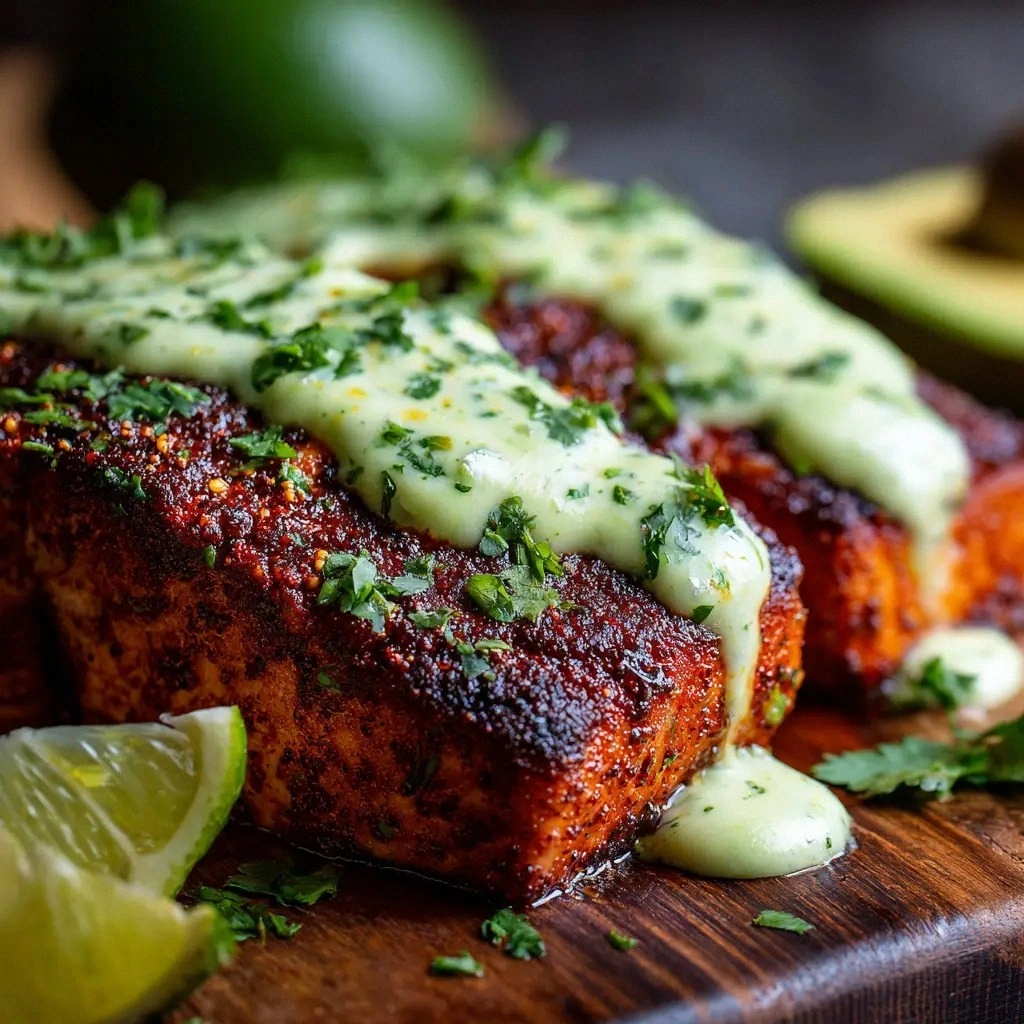
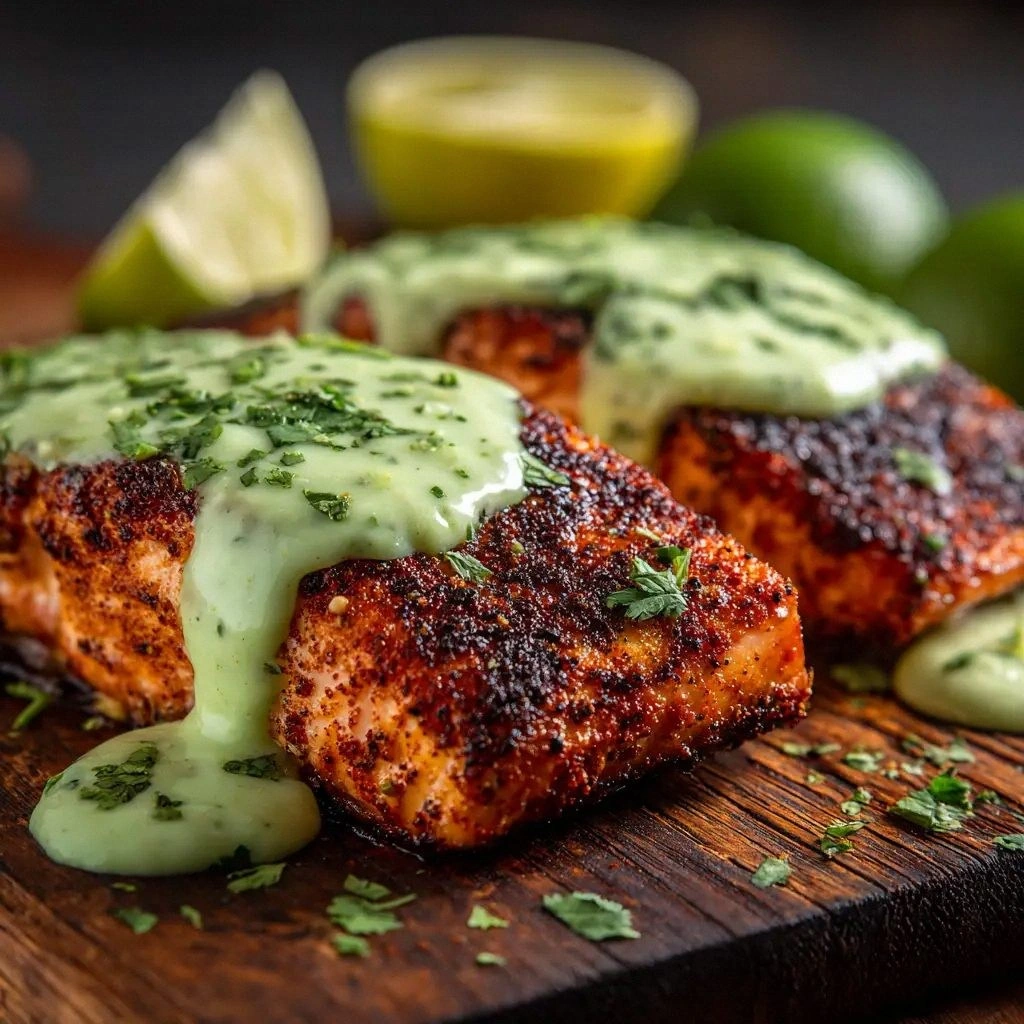
What sets this version apart is that it’s not a compromise. It’s a single‑pan, no‑fuss method that delivers maximum flavor with minimal cleanup. The seasoning blend is pre‑mixed, so you’re not juggling multiple bowls. The oven does all the heavy lifting, and the result is a flaky, buttery fillet with a crisp, caramelized crust that shatters like thin ice when you bite into it. I dare you to taste this and not go back for seconds—because once you’ve had this, every other salmon recipe will feel like a pale imitation.
Picture yourself pulling this out of the oven, the whole kitchen smelling incredible, the timer beep announcing the final minutes, and the first forkful of salmon revealing that perfect balance of spice and succulence. The anticipation is almost as delicious as the dish itself. Let me walk you through every single step—by the end, you’ll wonder how you ever made it any other way.
What Makes This Version Stand Out
- Flavor: The Cajun spice mix creates a bold, smoky heat that pairs perfectly with the mildness of salmon. It’s a flavor punch that wakes up even the most skeptical taste buds.
- Texture: The oven’s dry heat caramelizes the spices, giving the fillets a crisp exterior while keeping the interior silky and flaky.
- Simplicity: No sauces, no marinades, just a single seasoning blend and a quick bake. You’re ready to serve in under 30 minutes.
- Ingredient Quality: Fresh, high‑quality salmon makes a world of difference. The fish’s natural oils enhance the seasoning and keep it moist.
- Crowd‑Pleaser: Whether you’re feeding a family or impressing guests, this dish is a guaranteed hit. The heat can be dialed up or down to suit any palate.
- Make‑Ahead Potential: The fillets can be pre‑seasoned and stored in the fridge for up to 24 hours, saving you time on busy nights.
- Health‑Friendly: Packed with omega‑3 fatty acids and minimal added fats, this dish is both delicious and nutritious.
Alright, let's break down exactly what goes into this masterpiece…
Inside the Ingredient List
The Flavor Base
The foundation of this dish is the Cajun seasoning blend. Smoked paprika and cayenne pepper create a smoky, spicy base that infuses the salmon from the inside out. Garlic and onion powders add depth, while dried oregano and thyme bring a herbal brightness that balances the heat. Olive oil is the binding agent that keeps the spices from drying out and ensures the fillets stay moist during baking.
The Texture Crew
Salmon fillets themselves are the star, but their texture is amplified by the right cooking technique. Baking at a high temperature caramelizes the spices, giving the exterior a crisp, almost crunchy edge that contrasts beautifully with the tender interior. The salt and pepper are essential for seasoning the flesh, allowing the other flavors to shine without overpowering the fish.
The Unexpected Star
Cayenne pepper is the twist that elevates this recipe. While many Cajun sauces rely on a blend of mild spices, the addition of cayenne gives a punch that lingers on the tongue. It’s a daring move that makes the dish memorable. If you’re a heat‑hater, you can reduce the cayenne to a quarter teaspoon, but then you’ll lose that signature kick.
The Final Flourish
Lemon wedges and fresh parsley are the finishing touches that lift the dish. The acidity from the lemon brightens the richness of the salmon, while the parsley adds a fresh, herbaceous note that keeps the dish from feeling heavy. Serve the wedges on the side so guests can squeeze as much or as little as they like.
Everything's prepped? Good. Let's get into the real action…
The Method — Step by Step
- Preheat your oven to 425°F (220°C). While the oven warms, line a baking sheet with parchment paper or a silicone mat. This step ensures the salmon won’t stick and makes cleanup a snap. The high temperature will give the fillets a crisp, caramelized crust.
- In a small bowl, combine the smoked paprika, garlic powder, onion powder, dried oregano, dried thyme, cayenne pepper, salt, and black pepper. Stir until the spices are evenly mixed. This dry rub is the flavor engine that will drive the dish’s bold taste.
- Pat the salmon fillets dry with paper towels. A dry surface allows the spices to adhere better and prevents steam from forming, which would otherwise keep the fish from crisping.
- Drizzle olive oil over the fillets, then rub the spice blend onto each piece, ensuring a generous coating. The oil acts as a conduit for flavor and keeps the salmon moist.
- Place the fillets skin‑side down on the prepared baking sheet. The skin will protect the flesh from direct heat, creating a barrier that keeps the fish from drying out. This is the moment of truth—watch the edges start to lift and the color shift to a beautiful golden brown.
- Bake for 12–15 minutes, depending on thickness. The fillets should reach an internal temperature of 145°F (63°C) when checked with a thermometer. The top should be slightly caramelized, and the flesh should be opaque yet still juicy.
- Remove the salmon from the oven and let it rest for 3 minutes. This short rest allows the juices to redistribute, ensuring each bite is moist.
- Serve immediately with lemon wedges and a sprinkle of fresh parsley. The lemon’s bright acidity cuts through the richness, while the parsley adds a fresh, herbal note that lifts the entire dish.
That's it—you did it. But hold on, I've got a few more tricks that'll take this to another level…
Insider Tricks for Flawless Results
The Temperature Rule Nobody Follows
Many people bake salmon at 350°F, but that temperature is too low to develop a crisp crust. Baking at 425°F creates a beautiful caramelization that locks in moisture while giving the fillets that signature crunch. If you’re using a convection oven, reduce the temperature by 25°F to avoid over‑browning.
Why Your Nose Knows Best
Before you even touch the salmon, let the spices sit at room temperature for 10 minutes. This allows the aromatics to mellow and release their full flavor profile, ensuring the fish is evenly seasoned.
The 5‑Minute Rest That Changes Everything
After removing the salmon from the oven, let it rest for exactly five minutes. This short pause lets the juices settle, preventing them from spilling onto the plate and keeping the fish moist.
Use a Baking Sheet with a Rack
Elevating the salmon on a wire rack allows hot air to circulate around the fillet, creating an even cook and a more uniform crust. It also keeps the bottom from getting soggy.
Season the Oven
If you’re a seasoned chef, you might season the baking sheet with a light dusting of sea salt before placing the salmon. This extra layer adds a subtle crunch and enhances the overall flavor.
Keep the Skin On
Leaving the skin on protects the delicate flesh from direct heat and adds a crispy texture that many diners love. After baking, you can easily slide a spatula under the skin to lift the fillet.
Creative Twists and Variations
This recipe is a playground. Here are some of my favorite ways to switch things up:
Smoky Chipotle Variation
Replace the smoked paprika with chipotle powder and add a splash of chipotle‑in‑adobo sauce for a smoky, slightly sweet kick that pairs well with grilled corn.
Herb‑Infused Citrus
Swap cayenne pepper for a blend of dried basil and thyme, and finish with a drizzle of orange‑infused olive oil. The citrus note brightens the dish, making it perfect for spring.
Spicy Coconut Curry
Mix coconut milk into the olive oil before coating the fillets, and add a pinch of curry powder. Serve over jasmine rice for a comforting, exotic meal.
Asian Twist
Use a blend of five‑spice powder and a dash of soy sauce in place of the Cajun seasoning. Finish with a sprinkle of toasted sesame seeds and sliced green onions.
Low‑Heat Slow Bake
For a more delicate flavor, bake the salmon at 300°F for 20–25 minutes. This method yields a melt‑in‑your‑mouth texture that’s ideal for a more refined dinner.
Quick Skillet Finish
Sear the fillets in a hot skillet for 2 minutes per side after baking. The quick sear adds a caramelized crust without overcooking the interior.
Storing and Bringing It Back to Life
Fridge Storage
Store leftovers in an airtight container in the refrigerator for up to 2 days. The salmon will stay moist and flavorful, especially if you keep the lemon wedges separate until reheat.
Freezer Friendly
For longer storage, wrap each fillet individually in plastic wrap and place them in a freezer bag. Freeze for up to 3 months. Thaw overnight in the refrigerator before reheating.
Best Reheating Method
Reheat in a 350°F oven for 8–10 minutes, or until warmed through. Add a splash of water or broth to the baking dish and cover loosely with foil to keep the salmon from drying out.