Okay, picture this: it’s a rainy Tuesday night, the kind where the clouds are so low they almost scrape the kitchen cabinets, and I’m stuck in a loop of cereal and toast because I promised my roommate I’d “just order pizza.” Suddenly, a dare lands on my phone—“Make something that can beat the best take‑out Cajun joint in town, or you’re buying dinner for a month.” I laughed, rolled my eyes, and whispered, “Challenge accepted.” I grabbed the nearest skillet, threw in a splash of olive oil, and the whole kitchen erupted with the kind of sizzle that makes you forget about the weather outside. That moment, that sizzle, was the spark that ignited the ultimate Cajun Shrimp Rice Skillet.
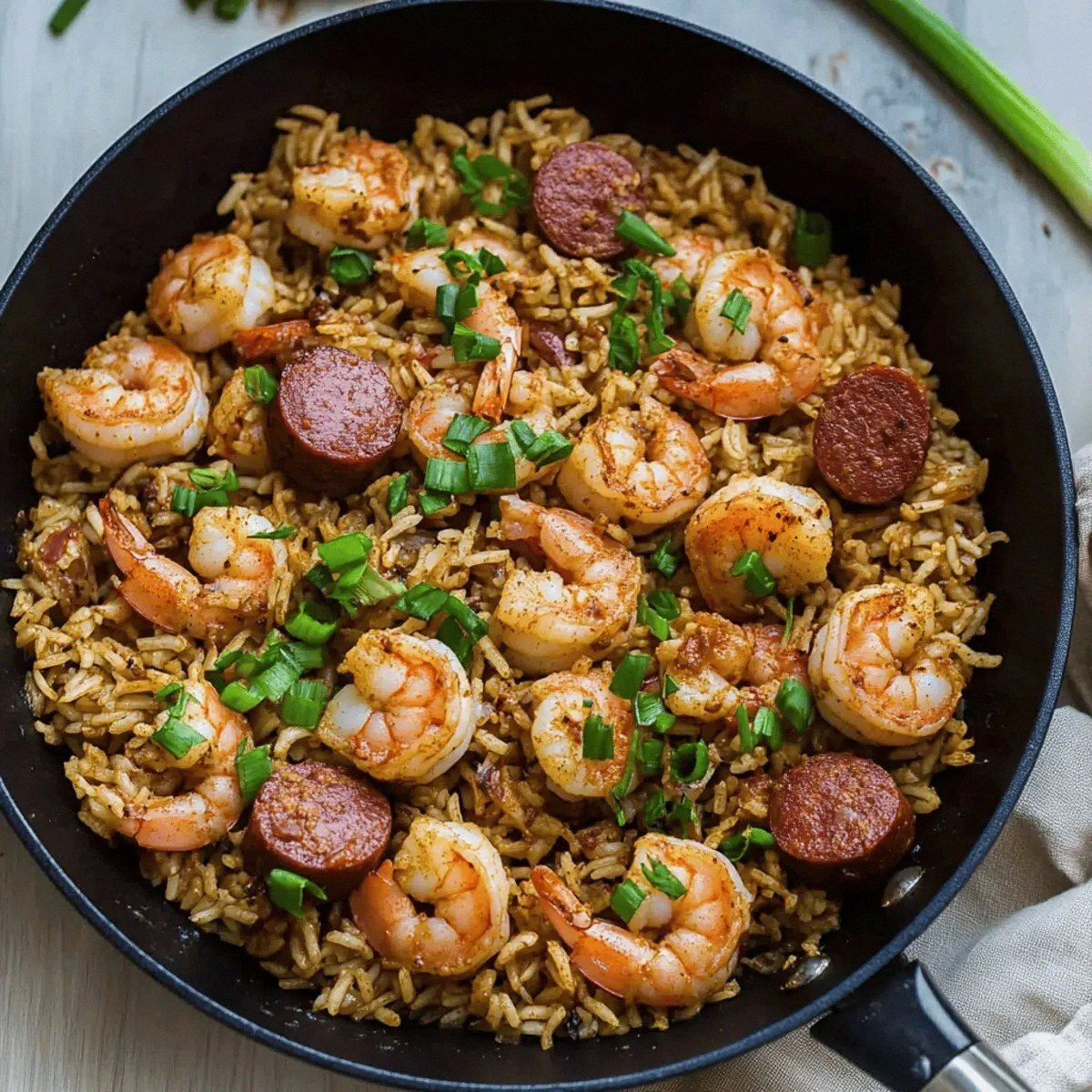
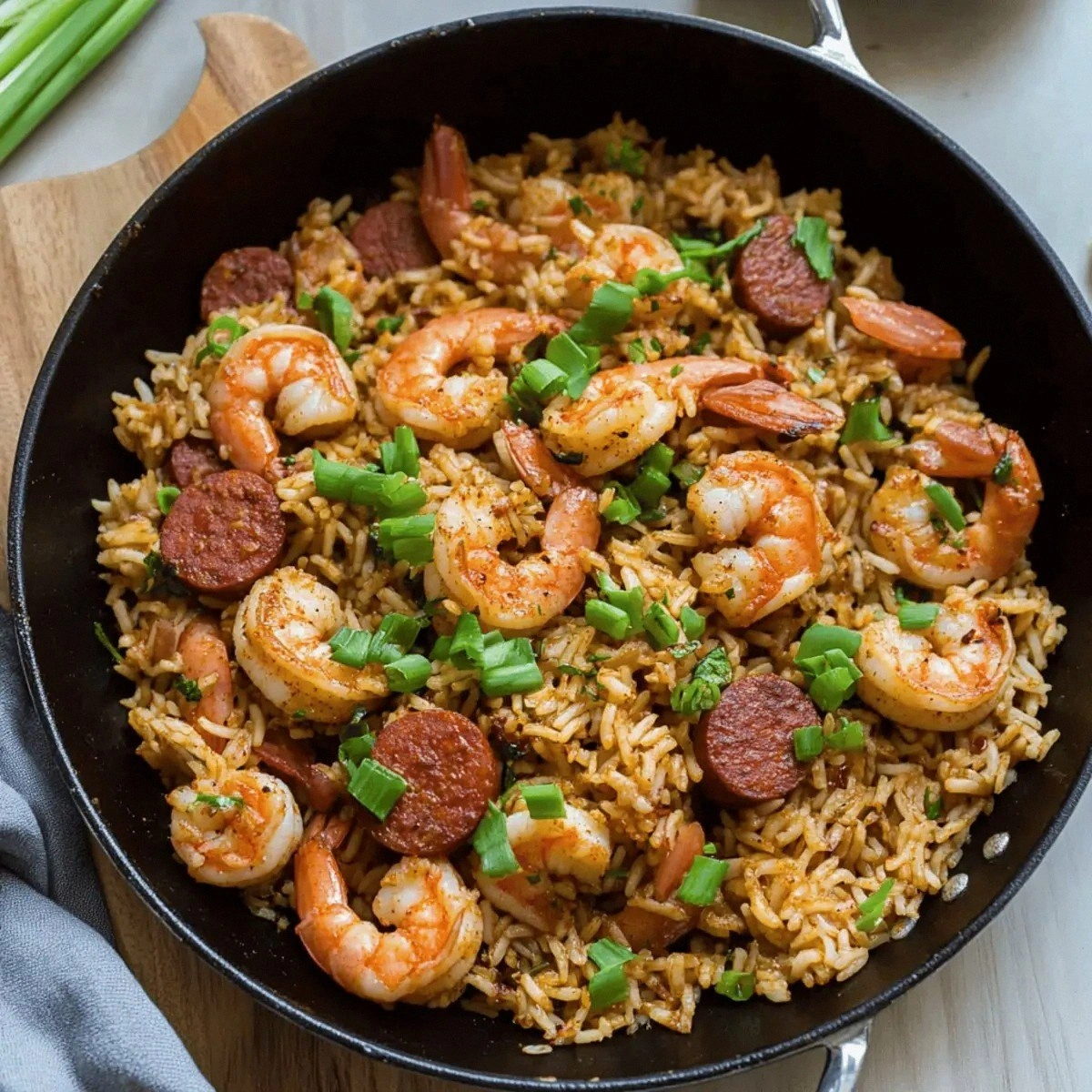
The first time I plated this dish, the aroma hit me like a wave of warm, smoky spice crashing onto a sun‑kissed beach. The shrimp were pink and buttery, the rice was fluffy yet slightly chewy, and the kielbasa added that deep, smoky backbone that makes you think of a backyard BBQ on a humid summer night. I could practically hear the crackle of the char as the rice toasted at the bottom of the pan, a sound that said, “We’re doing this right.” My friends took one bite, their eyes widened, and I could hear the collective gasp: “What is this sorcery?” I dare you to taste this and not go back for seconds.
Most Cajun‑style shrimp and rice recipes either drown the shrimp in a swamp of sauce or leave the rice as a bland sidekick. This version flips the script. By toasting the brown rice first, then deglazing with vegetable broth, you get a nutty foundation that holds the spices without turning soggy. The secret weapon? A modest dash of smoked kielbasa that infuses the whole skillet with a whisper of smoky depth, while the paprika and cayenne pepper create a heat that’s bold but never overwhelming. I’ll be honest — I ate half the batch before anyone else got to try it, and that’s a confession I’m not ashamed of.
You’re about to learn a technique that most home cooks skip: the “toast‑then‑steam” method for brown rice, which gives each grain a toasty crunch that’s impossible to achieve with a simple pot‑boil. And there’s a surprise ingredient that will make your taste buds do a double‑take (hint: it’s not a secret spice, but a type of sausage you probably already have in the freezer). Let me walk you through every single step — by the end, you’ll wonder how you ever made it any other way.
What Makes This Version Stand Out
- Flavor Explosion: The combination of smoked kielbasa, paprika, and cayenne creates layers of heat, smoke, and sweet earthiness that dance on the palate.
- Texture Symphony: Toasted brown rice gives a slight crunch, shrimp stay juicy, and the kielbasa adds a satisfying bite.
- Simplicity Meets Sophistication: Only a single skillet is needed, yet the flavor profile feels restaurant‑grade.
- Ingredient Quality: Using fresh, wild‑caught shrimp and a high‑quality kielbasa elevates the dish from everyday to unforgettable.
- Crowd‑Pleaser: Even the most skeptical eaters admit this is hands down the best version you’ll ever make at home.
- Make‑Ahead Magic: The flavors meld beautifully overnight, making leftovers taste even better.
- Season‑Neutral: Perfect for any time of year; you can crank up the heat for summer barbecues or keep it cozy for winter evenings.
- Budget Friendly: The pantry staples keep costs low while the protein punch feels indulgent.
Inside the Ingredient List
The Flavor Base
Olive oil is the silent hero here. It coats the pan, ensuring that the garlic and onion glide without sticking, and it also carries the fat‑soluble flavors of paprika and cayenne into every bite. If you swap it for butter, you’ll get a richer mouthfeel, but you’ll also lose a bit of that clean, Mediterranean brightness. Choose a cold‑pressed, extra‑virgin olive oil for the best balance of fruitiness and heat tolerance.
Garlic, finely chopped, is the aromatic backbone. Its pungent bite softens as it cooks, turning sweet and buttery, which is essential for rounding out the heat from the spices. If you’re out of fresh garlic, a good quality garlic powder works, but the texture won’t have that same burst of flavor.
White onion, diced to a uniform ⅓ cup, adds a subtle sweetness that counters the cayenne’s fire. The key is to let it soften without browning, so you’ll hear a gentle sizzle, not a frantic crackle. For a deeper flavor, try swapping half the white onion for a sweet yellow onion.
The Texture Crew
Long grain brown rice is the heart of this skillet. Its firm, slightly chewy texture holds up to the broth without turning mushy, and its nutty flavor complements the smoky sausage. If you’re pressed for time, a quick‑soak method (30 minutes in warm water) can reduce the cooking time without sacrificing texture.
Vegetable broth is the liquid gold that transforms toasted rice into a fluffy, flavorful base. A low‑sodium broth lets you control the salt level, while a homemade broth adds depth you can’t buy in a carton. If you’re vegan, a mushroom broth works beautifully, adding an earthy umami note.
Shrimp, peeled and deveined, bring a sweet, briny snap that contrasts the smoky background. Overcooking shrimp is a common pitfall—watch them turn pink and curl tightly, then pull them off the heat immediately. For a budget‑friendly option, medium‑sized shrimp work just as well.
The Unexpected Star
Kielbasa, the smoked Polish sausage, is the surprise element that makes this dish unforgettable. Its robust flavor infuses the broth, while the fat renders and caramelizes, creating tiny crispy edges that shatter like thin ice when you bite into them. If you can’t find kielbasa, a smoked Andouille or even a chorizo will bring a similar depth.
Paprika and cayenne pepper form the spice duo that defines the Cajun character. Paprika adds a sweet, smoky undertone, while cayenne delivers that tongue‑tingling heat. Adjust the cayenne to taste; a pinch more can turn this into a fiery showdown, but the base recipe already packs a respectable kick.
The Final Flourish
Oregano, garlic powder, sea salt, and pepper are the finishing touches that round out the flavor profile. Oregano’s herbaceous note lifts the dish, while garlic powder reinforces the fresh garlic’s depth. Sea salt enhances all the flavors without making the dish overly salty, and a modest ½ tsp of pepper adds a subtle heat that lingers on the palate.
Everything's prepped? Good. Let's get into the real action…
The Method — Step by Step
Heat a large, heavy‑bottomed skillet over medium‑high heat and drizzle in the 2 tablespoons of olive oil. When the oil shimmers, toss in the diced white onion and let it soften for about 2 minutes, stirring occasionally. You’ll hear a gentle hiss, not a frantic crackle—this is the sound of flavor building.
Kitchen Hack: If the onions start to brown too quickly, lower the heat slightly and add a splash of water; this steams them gently and keeps them from burning.Add the finely chopped garlic and the ⅓ cup of diced onion to the skillet, stirring constantly for another 30 seconds. The garlic should become fragrant and a pale golden color—watch for that moment when the kitchen smells like a Mediterranean market, because that’s the magic point.
Now, introduce the ¾ cup of long grain brown rice. Toss it around so each grain gets a light coat of oil and gets a quick toast. You’ll hear a subtle, nutty pop as the rice hits the pan—this is the “toast‑then‑steam” step that prevents mushiness later.
Pour in the 3 cups of vegetable broth, scraping the bottom of the pan to release any caramelized bits. Bring the mixture to a gentle boil, then reduce to a low simmer and cover the skillet. Let the rice absorb the broth for about 20‑25 minutes, checking occasionally to ensure it isn’t sticking.
While the rice cooks, slice the 7 oz of kielbasa into half‑inch rounds. In a separate pan over medium heat, brown the sausage slices until they develop crispy edges. This step adds a smoky depth that will later infuse the entire skillet.
Watch Out: Do not overcrowd the pan with sausage; crowding causes the pieces to steam instead of brown, losing that essential caramelized flavor.When the rice is almost tender—still a touch firm in the center—sprinkle the 2 tsp paprika, 1 tsp cayenne pepper, 1 tsp oregano, 1 tsp garlic powder, 1 tsp sea salt, and ½ tsp black pepper over the mixture. Stir vigorously to coat the rice evenly; the spices should release a warm, earthy perfume that makes your nose do a happy dance.
Add the browned kielbasa pieces back into the skillet, distributing them evenly. Then, gently fold in the 1 lb of peeled and deveined shrimp. The shrimp will turn pink in about 3‑4 minutes—watch for that vivid coral color and the moment they start to curl; that’s the cue to remove the pan from heat.
Turn off the flame, cover the skillet, and let everything rest for 5 minutes. This resting period lets the rice finish steaming and the shrimp retain their juiciness. The flavors meld together, creating a cohesive, layered taste that’s far richer than the sum of its parts.
Finally, give the skillet a quick final stir, taste for seasoning, and adjust with a pinch more sea salt if needed. Serve hot, straight from the pan, and watch as your guests dive in with forkfuls of smoky, spicy, and utterly satisfying goodness.
That's it — you did it. But hold on, I've got a few more tricks that'll take this to another level...
Insider Tricks for Flawless Results
The Temperature Rule Nobody Follows
Never crank the heat to “high” when you’re toasting the rice. A medium‑low flame gives the grains enough time to develop that toasted nuttiness without burning. If you notice the rice browning too fast, lift the pan off the burner for a few seconds; this pause prevents a bitter aftertaste.
Why Your Nose Knows Best
The moment the spices hit the pan, trust your sense of smell more than the timer. When the paprika and cayenne start to release a sweet, smoky perfume, you know they’re fully awakened. If the scent fades too quickly, the spices haven’t had enough time to meld, and you’ll need to let them cook a bit longer.
The 5‑Minute Rest That Changes Everything
After the skillet is off the heat, let it sit covered for exactly five minutes. This short rest lets the rice finish absorbing any lingering broth, and the shrimp stay tender. Skipping this step results in a dish that feels “wet” and the shrimp can become rubbery.
Don’t Overcrowd the Pan
When browning the kielbasa, give each piece breathing room. Overcrowding turns the sausage into a steam bath, stripping away those coveted crispy edges. A friend once tried to cram the whole pack into one pan—let’s just say the final dish lacked the signature crunch and tasted soggy.
Season at the End, Not the Beginning
Because the broth already contains salt, it’s easy to over‑season early on. Add a modest amount of sea salt during the spice step, then taste after the rest period and adjust if needed. This prevents a salty overload and keeps the flavors balanced.
Creative Twists and Variations
This recipe is a playground. Here are some of my favorite ways to switch things up:
Cajun Chicken & Andouille
Swap the shrimp for bite‑size chicken thighs and replace kielbasa with Andouille sausage. The chicken absorbs the spices beautifully, and Andouille adds an even deeper smoky profile—perfect for those who love a heartier bite.
Veggie‑Heavy Bayou
Leave out the shrimp and sausage, and bulk up the skillet with diced bell peppers, zucchini, and okra. Add a can of diced tomatoes for acidity. This version is vibrant, colorful, and still packs that Cajun punch.
Coconut Curry Cajun
Stir in ½ cup of coconut milk during the final simmer and replace cayenne with a teaspoon of curry powder. The result is a creamy, tropical spin that still respects the original’s spice level.
Smoky Bacon Boost
Crisp up a handful of bacon bits and sprinkle them over the finished dish. The extra smoky crunch pairs wonderfully with the shrimp’s sweetness.
Cheesy Finish
Just before serving, sprinkle shredded sharp cheddar or pepper jack over the skillet and let it melt. The cheese adds a velvety richness that makes the dish feel indulgent.
Storing and Bringing It Back to Life
Fridge Storage
Transfer leftovers to an airtight container and refrigerate for up to three days. The flavors will continue to meld, making each reheated portion taste even more cohesive.
Freezer Friendly
Cool the skillet completely, then portion into freezer‑safe bags or containers. Freeze for up to two months. When ready to eat, thaw overnight in the fridge and reheat on the stove.
Best Reheating Method
Place the desired amount in a skillet over medium heat, add a splash (about 2 tablespoons) of water or broth, and cover for 3‑4 minutes. The added moisture steams the rice back to fluffy perfection without drying out the shrimp.