I still remember the night I was trying to salvage a disastrous take‑out dinner. My ramen had turned into a soggy, flavorless mess, and I was staring at a bowl of noodles that looked like it had been tossed in a blender. I swore I would never again settle for bland, and I challenged my friend to taste this and not go back for seconds. That dare became the spark that lit a fire in my kitchen, and the result is a bowl that feels like a spicy hug wrapped in a crispy, umami‑laden blanket.
The first thing you notice is the aroma: a sharp, aromatic scent of miso and ginger that cuts through the room like a fresh wind. As the broth simmers, the steam rises in a cloud of fragrant steam, and you can almost taste the heat before it even hits your tongue. The sound of the pot bubbling is a comforting, rhythmic percussion that signals the broth is ready to embrace the noodles. When you finally take that first bite, the noodles are al dente, the broth is thick and velvety, and the heat hits you like a gentle, controlled wave.
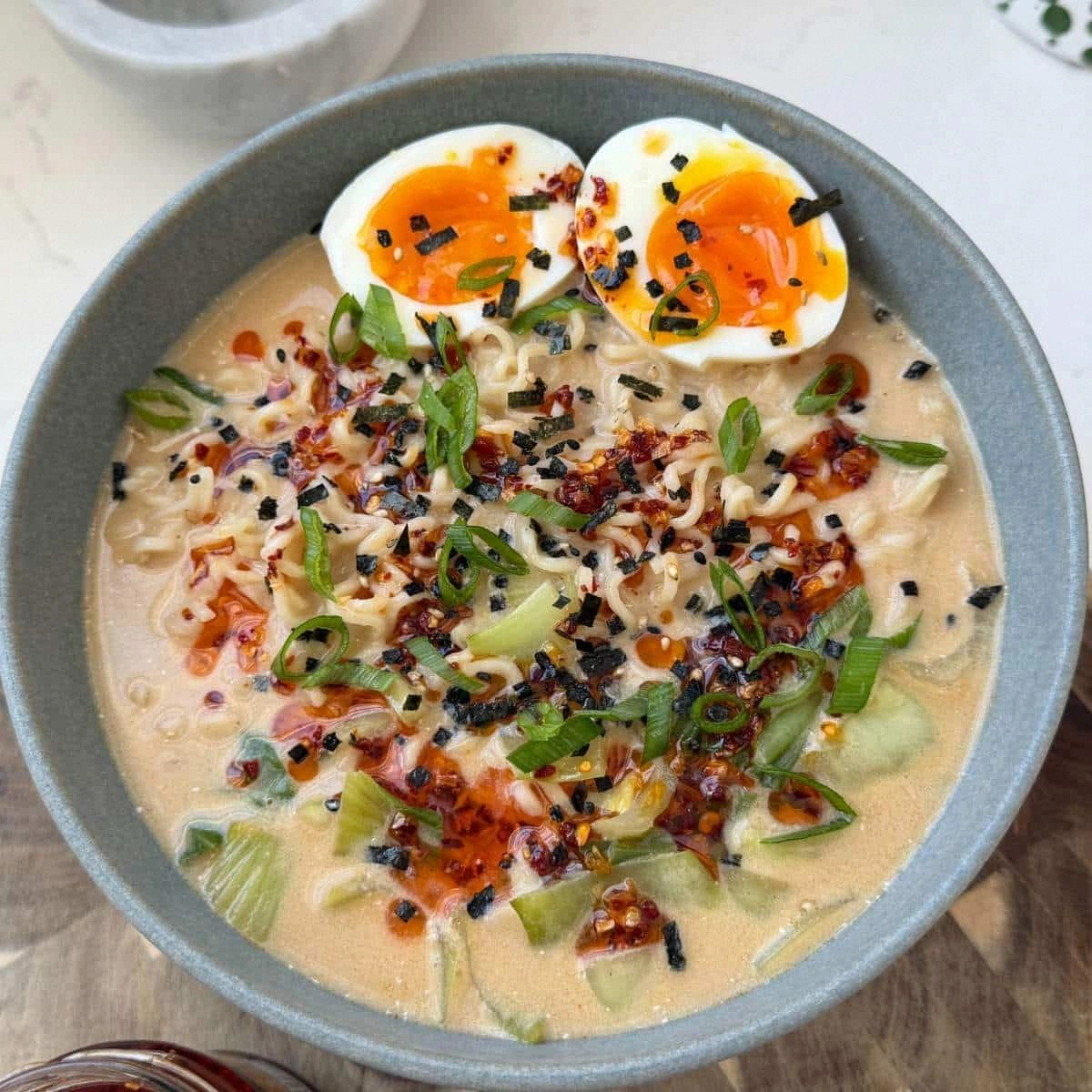
What sets this version apart is the layering of textures and flavors that dance on your palate. The mayo adds a silky, creamy finish that balances the spice, while the chili onion crunch provides a satisfying snap. The miso ginger broth is like a bold, earthy foundation that supports everything else, and the bok choy adds a fresh, slightly sweet crunch that breaks up the richness. If you’ve ever struggled with ramen that tastes flat, this bowl will blow your mind. It’s not just a dish; it’s a culinary revelation that makes you wonder how you ever lived without it.
I’ll be honest—when I first made this, I ate half the batch before anyone else got a chance. The bowl was so good that I was tempted to keep eating. But I’ve learned that the best meals are shared, and that’s why I’m excited to walk you through every single step. By the end, you’ll wonder how you ever made it any other way.
Okay, ready for the game‑changer? Let’s dive into the details that make this spicy ramen the best version you’ll ever make at home.
What Makes This Version Stand Out
- Bold Flavor: The miso ginger broth is a powerhouse of umami and heat that sets the tone for the entire dish.
- Texture Contrast: Crunchy bok choy, silky mayo, and the snap of chili onion crunch create a mouthful that’s never monotonous.
- Easy Assembly: With pre‑made broth and instant ramen, this dish can be ready in under 30 minutes.
- Ingredient Quality: Using Trader Joe’s miso ginger broth and chili onion crunch ensures depth without the need for complicated spice blends.
- Make‑Ahead Potential: The ramen can be stored in the fridge for a quick reheat, making it perfect for busy nights.
- Share‑worthy: The dish is large enough to feed a crowd, and the heat can be dialed to suit any palate.
Alright, let’s break down exactly what goes into this masterpiece…
Inside the Ingredient List
The Flavor Base
Trader Joe’s miso ginger broth is the heart of this ramen. It’s a ready‑to‑heat liquid that infuses the noodles with a deep, savory sweetness. Skipping it would leave your broth flat and underwhelming. If you prefer a richer broth, add a splash of sesame oil or a tablespoon of soy sauce for extra depth.
The Texture Crew
The ramen noodles provide the chewy foundation that holds the broth together. Two packs for four servings keep the ratio just right—enough to soak up the liquid without becoming mushy. If you’re a noodle purist, opt for fresh ramen or a high‑protein variety for a firmer bite.
The Unexpected Star
Trader Joe’s chili onion crunch is the secret weapon that brings heat and crunch. It’s a blend of chili, onion, and a touch of sweetness that gives the dish a pop of texture and a kick that lingers. If you’re not a fan of the crunch, you can sprinkle extra chili flakes or a dash of Sriracha instead.
The Final Flourish
Mayonnaise and furikake finish the bowl with silky richness and a burst of umami. The mayo coats the noodles like velvet, while the furikake adds a subtle nutty flavor that complements the broth. If you’re watching calories, swap mayo for Greek yogurt or a drizzle of tahini.
Everything’s prepped? Good. Let’s get into the real action.
The Method — Step by Step
- Bring a large pot of water to a rolling boil. Add the ramen noodles and cook for 2 minutes, just enough to loosen them from the pack. The noodles should remain firm; we’ll finish cooking them in the broth later. I dare you to taste the noodles now and not go back for seconds.
- While the noodles are boiling, pour the miso ginger broth into a separate pot and bring it to a gentle simmer. The broth should be fragrant and the steam should rise steadily. This is the moment of truth—if the broth smells flat, add a splash of soy sauce to deepen the umami.
- Add the baby bok choy to the broth and let it blanch for 1 minute. The bok choy should wilt slightly but still retain a bright green color. If you like your greens crispier, add them later after the broth has been removed from heat.
- Drain the ramen noodles and add them to the broth. Stir gently to coat the noodles in the liquid. The noodles will absorb the broth’s flavor while still maintaining a slight chew.
- Reduce the heat to low and let the ramen simmer for 2 minutes, allowing the flavors to meld. The broth should thicken slightly, creating a silky texture that clings to each noodle. Watch out: if you leave the pot on high heat, the broth will evaporate and become too thick.
- Remove the pot from heat and stir in the mayonnaise until it’s fully incorporated, creating a rich, velvety coating. The mayo should swirl through the broth, giving it a glossy sheen. This is pure magic.
- Sprinkle the chili onion crunch over the ramen, followed by a generous drizzle of soy sauce. The crunch adds a delightful snap, while the soy sauce balances the heat. If you’re watching sodium, reduce the soy sauce by half.
- Top the bowl with furikake, thinly sliced green onions, and an optional boiled egg for protein. The egg adds a silky texture and a burst of flavor. This is the final flourish that turns a good bowl into a masterpiece.
That’s it—you did it. But hold on, I’ve got a few more tricks that will take this to another level.
Insider Tricks for Flawless Results
The Temperature Rule Nobody Follows
Cooking the broth at a gentle simmer rather than a rolling boil preserves the delicate flavors of the miso ginger broth. A high boil can scorch the broth, creating a bitter undertone. I once tried boiling it, and the result was a flat, unremarkable soup. Keep it low and let the broth breathe.
Why Your Nose Knows Best
Before you taste the broth, let it sit for a minute after simmering. The aroma will intensify, and you’ll be able to detect any missing salt or umami. I’ve found that a well‑aromatic broth signals that the seasoning is balanced.
The 5-Minute Rest That Changes Everything
After removing the pot from heat, let the ramen rest for 5 minutes before serving. This short rest allows the noodles to finish absorbing the broth and the flavors to meld. The result is a richer, more cohesive bowl.
Egg Timing is Key
If you’re adding a boiled egg, aim for a slightly runny yolk. A hard‑boiled egg can become rubbery and overpower the delicate broth. I recommend cooking the egg for 7 minutes and cooling it in ice water to stop the cooking process.
The Crunch Factor
The chili onion crunch is optional but highly recommended. If you prefer a smoother bowl, you can sprinkle extra chili flakes or a dash of Sriracha. However, the crunch adds a satisfying contrast that many people love.
Creative Twists and Variations
This recipe is a playground. Here are some of my favorite ways to switch things up:
Spicy Seafood Ramen
Add shrimp or scallops to the broth during the last 2 minutes of simmering. The seafood infuses the broth with a briny depth that pairs perfectly with the miso ginger base.
Vegetarian Powerhouse
Replace the eggs with a tofu cube and add sliced mushrooms. The tofu absorbs the broth’s flavors, and the mushrooms bring an earthy umami that elevates the dish.
Soba Swap
Use soba noodles for a nutty twist. The buckwheat flavor complements the miso broth and adds a slightly chewy texture.
Korean Kimchi Ramen
Stir in a spoonful of kimchi juice and a handful of chopped kimchi. The fermented tang adds a complex layer of flavor that makes the ramen feel like a Korean comfort dish.
Breakfast Ramen
Add a fried egg on top and sprinkle with scallions. The runny yolk turns the bowl into a hearty, protein‑rich breakfast that’s surprisingly satisfying.
Storing and Bringing It Back to Life
Fridge Storage
Store the cooked ramen in an airtight container for up to 2 days. Keep the broth separate if you want to prevent the noodles from absorbing too much liquid. When reheating, add a splash of water to restore the broth’s original consistency.
Freezer Friendly
Freeze the broth in freezer‑safe bags for up to 3 months. The noodles can be frozen for 1–2 days, but they’ll be best reheated fresh. Thaw the broth overnight in the fridge before reheating.
Best Reheating Method
Reheat the broth on low heat, stirring occasionally. If the broth has thickened, add a splash of water or broth to thin it out. The noodles should be added at the end of reheating to avoid overcooking.